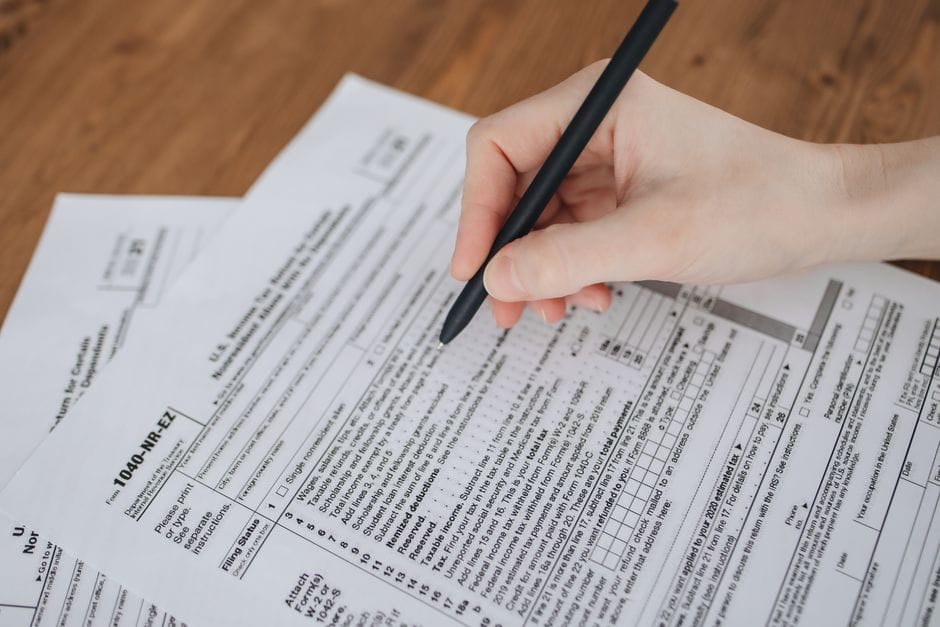
Reporting prizes to Social Security is required if you receive Supplemental Security Income (SSI), and the deadline is tight: SSA guidance says you must report a change no later than 10 days after the end of the month in which it happened. So if you win a car, a cash prize, or a gift card in March, SSA wants to hear about it by April 10. That single rule catches more sweepstakes winners off guard than anything else.
- Who actually has to report a prize to SSA
- What SSA counts as a prize
- The two-step timing rule most winners miss
- How to report a prize, step by step
- What most people get wrong about reporting prizes to Social Security
- Taxes are a separate obligation
- When the rules vary by state or program
- Frequently Asked Questions
If you receive Social Security retirement benefits or SSDI instead, the picture is different. Those programs are not means-tested the same way, and SSA’s own guidance says the retirement earnings test counts only wages and net self-employment income — not pensions, investment income, or prizes. That doesn’t mean a windfall is invisible to the government, though. The IRS still wants it on your tax return, and other programs you may be enrolled in may have their own rules.
This guide walks through who has to report, what SSA counts, how the timing works, and where the rules change depending on which benefit you receive. It describes how the rules work — it is not legal, tax, or financial advice, and your own outcome depends on your situation. For anything specific to your case, contact SSA directly at 1-800-772-1213 or your local field office.
Who actually has to report a prize to SSA
The obligation depends on which program you’re in. SSI is a needs-based program with income and resource limits, so SSA needs to know when money or property comes in. Social Security retirement, survivors, and SSDI benefits are based on your work record, and SSA’s published rules do not apply an unearned-income test to them.
Here’s the short version of who reports what:
| Program | Is a prize generally reportable to SSA? | Why |
| SSI | Yes | Needs-based; SSA counts income and resources monthly |
| SSDI | Generally not as unearned income | SSA looks at work activity; 2026 SGA is $1,690/month ($2,830 if blind) |
| Social Security retirement | Generally no | Earnings test counts only wages and self-employment income |
| Medicaid, SNAP, Section 8 | Usually yes, to that agency | Separate programs with their own reporting rules |
Note that last row. Reporting prizes to Social Security does not satisfy your obligations to a state Medicaid office, a SNAP caseworker, or a housing authority. Those are separate agencies with separate deadlines.
What SSA counts as a prize
SSA’s Program Operations Manual System section SI 00830.525 covers gambling winnings, lottery winnings, and other prizes, and treats them as unearned income under the SSI rules. That’s broader than most people assume. It’s not just cash.
- Lottery and scratch-off winnings
- Casino and gambling winnings
- Sweepstakes and contest prizes
- Non-cash prizes such as vehicles, electronics, or trips
- Gift cards and prepaid cards
Non-cash prizes are generally valued and counted too. If you win a $3,000 laptop bundle rather than $3,000 in cash, don’t assume it falls outside the rules. When in doubt, describe exactly what you won when you call SSA and let them classify it.
The two-step timing rule most winners miss
This is the part that trips people up. Under SSI rules, a prize is generally treated as income in the month you receive it. Whatever you still have on the first of the next month is generally treated as a resource.
That matters because SSA sets the SSI resource limit at $2,000 for an individual and $3,000 for a couple. A prize that pushes you over that line at the start of the following month is handled differently than one you no longer hold. SSA also applies a $20 general income exclusion each month; beyond that, countable unearned income reduces an SSI payment dollar for dollar.
For context on scale: SSA set the 2026 federal benefit rate at $994 a month for an individual and $1,491 for a couple, following the 2.8 percent COLA. Against numbers that size, even a modest prize can matter — which is exactly why reporting prizes to Social Security promptly, rather than guessing at the math yourself, is the safer path.
How to report a prize, step by step
- Write down the details. What you won, the sponsor’s name, the date you received it, and the stated value.
- Keep the paperwork. Affidavits, prize notification letters, and any tax form the sponsor sends you.
- Contact SSA within the deadline. Call 1-800-772-1213, use your my Social Security account, or visit a local office. SSA’s guidance is to report no later than 10 days after the end of the month the change occurred.
- Ask for confirmation. Request a receipt or note the date, time, and name of the representative.
- Report separately to other agencies. Medicaid, SNAP, and housing programs each need their own notice.
SSA states that failing to report a change, or reporting it late, may result in a penalty reducing an SSI payment by $25 to $100 per occurrence. Reporting on time avoids that penalty entirely and reduces the chance of an overpayment SSA later asks you to repay.
What most people get wrong about reporting prizes to Social Security
“It was under $600, so nobody reports it.” That confuses tax forms with benefit rules. Whether a sponsor issues a form has no bearing on SSA’s reporting deadline.
“I gave it away, so it doesn’t count.” SSA has specific rules about transferring resources. Giving a prize away doesn’t automatically erase the reporting obligation, and it can create its own complications. Report first, then ask.
“SSA will find out from the IRS anyway.” Data matching exists, but it isn’t a substitute for your report — and discovering it later can produce an overpayment notice covering many months.
📨 Get Free Sweepstakes Alerts
Free · No spam · Unsubscribe anytime
“Reporting means losing benefits.” Not necessarily. Reporting prizes to Social Security is a disclosure, not a forfeiture. SSA applies exclusions and rules to your specific facts. Only SSA can tell you what happens in your case.
Taxes are a separate obligation
Reporting prizes to Social Security does not handle your taxes, and filing a tax return does not handle SSA. Under IRS rules (Topic no. 419), gambling and prize winnings are taxable income and must be reported on your return whether or not you receive a form. IRS instructions for Form W-2G list a $2,000 minimum reporting threshold for payments made in calendar year 2026, indexed for inflation in later years.
There’s a second wrinkle. SSA and the IRS both explain that if your “combined income” — adjusted gross income, tax-exempt interest, and half your Social Security benefits — tops $25,000 filing individually or $32,000 filing jointly, part of your benefits may become taxable. A large prize can push you across that line even though SSA never reduces your retirement check because of it.
When the rules vary by state or program
Federal SSI rules are national, but several programs that often sit alongside SSI are administered by states, and the details genuinely vary. Some states add a supplement to the federal SSI payment. Medicaid eligibility rules, SNAP income and resource tests, and Section 8 recertification schedules differ by state and by local agency.
Because those figures vary, don’t rely on a number you read online — including here. Check your state’s Medicaid agency, your SNAP office (the USDA maintains a state directory at fns.usda.gov), and your local public housing authority. Ask each one directly: “I received a prize valued at X on this date. What do I need to report, and by when?”
One more practical note. Sweepstakes sponsors sometimes ask winners to sign an affidavit before the prize is released, and the date you actually receive the prize — not the date you were notified — is usually what matters for timing. If those dates fall in different months, say so when you report.
Frequently Asked Questions
Do I have to report a prize if I only get SSDI?
SSA’s rules for SSDI focus on work activity, not unearned income; the 2026 substantial gainful activity amount is $1,690 a month ($2,830 if you’re blind). A prize generally isn’t wages. Still, if you receive both SSDI and SSI, the SSI reporting rules apply. Confirm with SSA which programs you’re enrolled in.
What is the deadline for reporting prizes to Social Security?
SSA guidance says report changes no later than 10 days after the end of the month in which the change occurred. For wages, SSA asks for reports by the 10th of the following month and encourages reporting by the 6th. Earlier is always safer.
Does a non-cash prize like a car or a trip need to be reported?
Yes — SSA’s POMS section on gambling, lottery, and other prizes isn’t limited to cash. Report what you won and its stated value, and let SSA determine how it’s counted. Don’t decide on your own that a non-cash prize is exempt.
What happens if I reported late by accident?
Report it as soon as you realize. SSA states that late or missed reports may carry a penalty reducing an SSI payment by $25 to $100 per occurrence, and unreported income can lead to an overpayment you’re asked to repay. Contact SSA at 1-800-772-1213 to explain the circumstances.
Want to put this knowledge to work?
Know the Rules Where You Live
Sweepstakes and prize rules change from state to state — what a sponsor can offer, how prizes are handled, and what protections you have. Pick your state to see the exact rules that apply where you live.
See Sweepstakes Laws in All 50 States →
Sources & How to Verify
The facts on this page are drawn from official government and primary sources. Rules and figures change, so always confirm the current details with the official agency or the promotion’s own published rules.
- FTC Consumer Advice: consumer.ftc.gov — prize, sweepstakes, and lottery scam guidance
- IRS: irs.gov — how prizes and winnings are treated as income
- Social Security Administration: ssa.gov — what SSI recipients must report
- The promotion’s official rules: every legitimate sweepstakes publishes them — the rules page is always the final word
Content last reviewed August 2026. If you notice outdated information, please contact us.
You May Also Like
Related Guides
- Sweepstakes Laws by State (50-State Guide)
- More in This Category
- Sweepstakes Resources
- Scam Checks
- Sweepstakes Tax Calculator
- All Active Sweepstakes
Informational only — not legal, tax, or financial advice. Win Big Daily is an independent educational resource. Prize rules, tax treatment, and benefit-program requirements vary by state and program and change over time, so always verify the current details with the official agency, the promotion’s published rules, or a qualified professional before acting. If a topic involves government benefits, contact the program office about your specific situation.