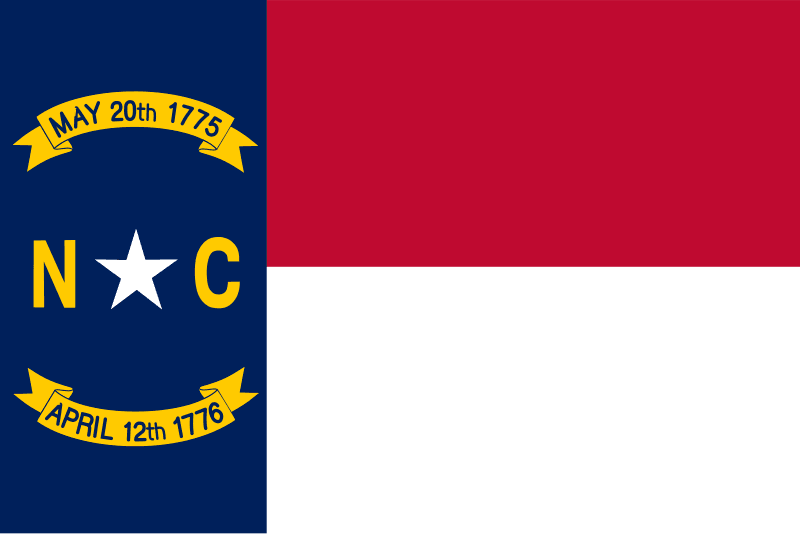
North Carolina sweepstakes laws govern how promotional giveaways, contests, and prize drawings operate within the state. These laws fall under multiple sections of the North Carolina General Statutes. Chapter 14, Article 37 addresses lotteries and gaming. Chapter 75 covers consumer protection and prize disclosures. North Carolina takes a firm stance against deceptive promotions.
- North Carolina Sweepstakes Registration and Bonding Requirements
- North Carolina Sweepstakes Laws: Prize Disclosure and Tax Rules
- Consumer Protection in North Carolina
- No-Purchase-Necessary Rules in North Carolina
- Running a Sweepstakes in North Carolina: Compliance Checklist
- Frequently Asked Questions
The state also made national headlines for its aggressive crackdown on electronic sweepstakes cafes. Understanding these rules matters for both consumers and businesses. Whether you enter sweepstakes or run them, North Carolina has clear expectations. The North Carolina Department of Justice actively enforces these protections. Violations can lead to misdemeanor or even felony charges in serious cases.
North Carolina Sweepstakes Registration and Bonding Requirements
North Carolina does not require sweepstakes sponsors to register with the state. There is no bonding or filing requirement for running a sweepstakes here. This sets North Carolina apart from states like New York, Florida, and Rhode Island. Those states mandate registration or surety bonds for high-value promotions. However, the absence of registration requirements does not mean anything goes.
Sponsors must still comply with North Carolina sweepstakes laws under Chapter 75 of the General Statutes. G.S. 75-33 requires specific disclosures adjacent to any prize description. These include the identity of the sponsor and all material conditions of entry. The actual retail value of each prize must also be stated clearly. In most cases, sponsors must disclose the exact number of prizes to be awarded. Failure to meet these disclosure requirements can trigger enforcement under the Unfair and Deceptive Trade Practices Act.
G.S. 75-1.1 is one of the most powerful consumer protection tools in the state. It declares unlawful all unfair or deceptive acts in commerce. Violations can result in treble damages and attorneys’ fees. As a result, sweepstakes sponsors should treat North Carolina’s disclosure rules seriously. The lack of a registration process does not reduce legal exposure.
North Carolina Sweepstakes Laws: Prize Disclosure and Tax Rules
North Carolina sweepstakes laws require clear and honest prize disclosures. Under G.S. 75-33, prize values must reflect actual retail prices. Those prices must be based on substantial sales within the area during the prior 90 days. If no such sales exist, the actual cost to the sponsor applies. Sponsors cannot tell every participant they have won. If more than 10% of participants receive the same prize, it cannot be described as “winning.”
Sweepstakes winnings are taxable income in North Carolina. The state imposes a flat income tax rate of 3.99% for the 2026 tax year. This rate applies to all prize amounts regardless of size. At the federal level, prizes exceeding $5,000 trigger a mandatory 24% withholding. For example, a $10,000 prize could face combined withholding near 28%. North Carolina does not allow taxpayers to deduct gambling losses against winnings. This is an important distinction from many other states.
| Regulation | North Carolina Requirement |
|---|---|
| Registration Required | No |
| Bonding Required | No |
| State Income Tax on Winnings | 3.99% flat rate (2026) |
| Federal Withholding Threshold | 24% on prizes over $5,000 |
| Gambling Loss Deduction | Not allowed |
| Prize Disclosure Law | G.S. 75-33 — value, quantity, and conditions required |
| Consumer Protection Statute | G.S. 75-1.1 — treble damages for violations |
| Electronic Sweepstakes Ban | G.S. 14-306.4 — misdemeanor to felony penalties |
| Prize Delivery Deadline | Within 10 days of notification |
| Reporting Scams | 1-877-5-NO-SCAM (1-877-566-7226) |
Consumer Protection in North Carolina
The North Carolina Attorney General leads consumer protection enforcement for sweepstakes. The Consumer Protection Division has helped residents recover over $100 million in recent years. The office conducts Scam Jam educational events across the state. These events target seniors who are frequent victims of sweepstakes fraud. North Carolina sweepstakes laws give the Attorney General broad authority to investigate deceptive promotions.
Several statutes work together to protect North Carolina consumers. G.S. 75-32 prohibits falsely representing that someone has won a prize. G.S. 75-34 addresses deceptive “specially selected” claims. G.S. 75-35 bans mailings that simulate checks or invoices in prize promotions. Typically, scammers use these tactics to trick victims into sending money. The FTC also monitors sweepstakes advertising nationwide.
To report a suspicious sweepstakes in North Carolina, call 1-877-5-NO-SCAM (1-877-566-7226). You can also file a complaint online with the Department of Justice. For federal complaints, use ReportFraud.ftc.gov. If a scam arrived by mail, contact the U.S. Postal Inspection Service. North Carolina sweepstakes laws make it illegal to require any payment to claim a prize.
No-Purchase-Necessary Rules in North Carolina
North Carolina sweepstakes laws follow the standard legal framework for no-purchase-necessary requirements. Every legitimate sweepstakes must include a free method of entry. Buying a product or service must never improve a participant’s chances of winning. This principle separates a legal sweepstakes from an illegal lottery. Under North Carolina law, a lottery requires three elements: prize, chance, and consideration.
A free Alternative Method of Entry must offer equal odds to any paid-entry path. For example, if a purchase triggers an entry, a mail-in option must provide the same opportunity. The free entry method must be clearly disclosed and reasonably accessible. In most cases, sponsors include this information in their official rules. North Carolina sweepstakes laws also require that won prizes be delivered within 10 days and without obligation.
📨 Get Free Sweepstakes Alerts
Free · No spam · Unsubscribe anytime
North Carolina’s crackdown on electronic sweepstakes cafes illustrates how seriously the state treats this issue. G.S. 14-306.4 bans electronic machines that conduct sweepstakes through entertaining displays. First offenses are Class 1 misdemeanors. Second offenses become Class H felonies. Third or subsequent violations escalate to Class G felonies. The North Carolina Supreme Court upheld this ban unanimously in Hest Technologies, Inc. v. State in 2012. Criminal charges under this statute reached 59 in 2023, showing increased enforcement.
Running a Sweepstakes in North Carolina: Compliance Checklist
Sponsors targeting North Carolina residents should follow North Carolina sweepstakes laws carefully. Start by drafting comprehensive official rules. Include the no-purchase-necessary statement prominently. Provide a free Alternative Method of Entry with equal odds. Disclose the sponsor’s identity, all entry conditions, and every prize’s retail value. State the exact number of prizes available for each tier.
However, compliance goes beyond the official rules. Ensure all advertising avoids deceptive claims under G.S. 75-1.1. Never represent that participants have been “specially selected” unless that is truthful. Do not simulate checks or invoices in promotional mailings. Deliver prizes within 10 days of notifying winners. Keep records of all entries and winner selections. North Carolina sweepstakes laws allow treble damages for violations, making noncompliance expensive.
Consider federal requirements as well. The FTC requires clear disclosures of odds, eligibility, and deadlines. Prizes over $600 require 1099-MISC reporting to the IRS. Prizes over $5,000 require 24% federal tax withholding. As a result, sponsors should budget for tax reporting and withholding administration. Consulting a legal professional familiar with North Carolina sweepstakes laws is strongly recommended before launching any promotion in the state.
Frequently Asked Questions
Are sweepstakes legal in North Carolina?
Yes, sweepstakes are legal in North Carolina when they follow state and federal rules. They must offer free entry and cannot require a purchase to win. However, electronic sweepstakes machines are banned under G.S. 14-306.4.
Do I have to pay taxes on sweepstakes winnings in North Carolina?
Yes, North Carolina taxes sweepstakes winnings at a flat 3.99% rate for 2026. Federal withholding of 24% applies to prizes over $5,000. North Carolina does not allow you to deduct gambling losses against your winnings.
How do I report a sweepstakes scam in North Carolina?
Call the North Carolina Attorney General’s consumer hotline at 1-877-5-NO-SCAM (1-877-566-7226). You can also file a complaint online at ncdoj.gov. For federal scams, report to the FTC at ReportFraud.ftc.gov.
Enter More Sweepstakes
Ready to start entering? Browse our curated list of current legitimate sweepstakes with verified entry links.
Official Sources & Resources
- FTC (Federal Trade Commission): Prize Scam Awareness
- IRS (Prize Tax Reporting): IRS Topic 419 — Gambling Income
- FBI IC3 (Internet Crime): ic3.gov
- USA.gov — Scams: usa.gov/scams
Content last reviewed April 2026. If you notice any outdated information, please contact us.