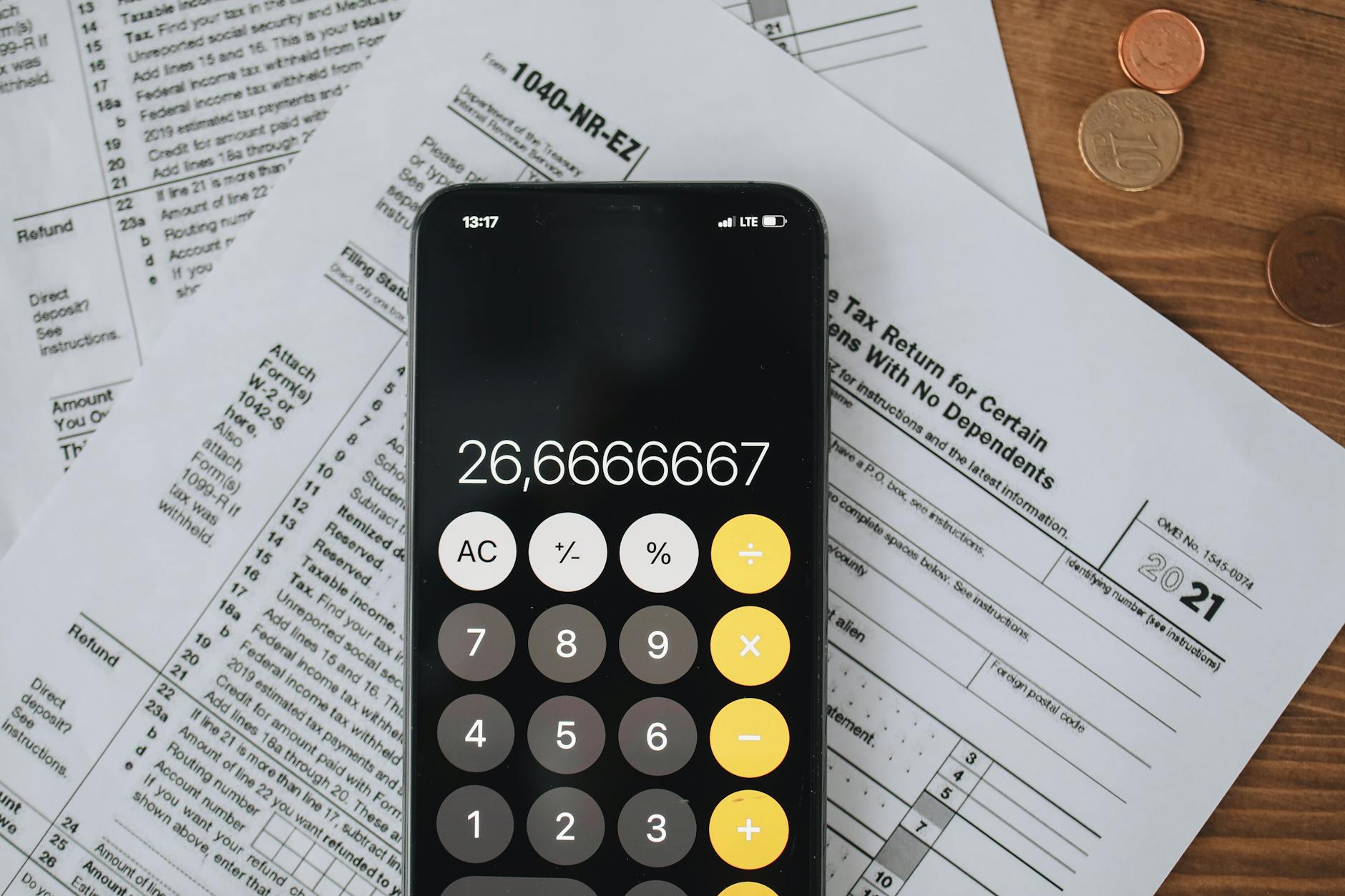
Sweepstakes prize taxes catch many winners off guard. You enter a contest expecting excitement and joy. Then reality hits. Uncle Sam wants his share of your winnings. Every prize you win counts as taxable income in the eyes of the IRS.
That includes cash, cars, vacations, and even gift cards. The federal government taxes all prizes at your ordinary income rate. Many states add their own tax on top of that. Understanding sweepstakes prize taxes before you win helps you plan ahead. You won’t face surprise bills during tax season. This guide breaks down exactly what you owe, which forms to file, and how to keep more of your winnings.
How Sweepstakes Prize Taxes Work Under Federal Law
The IRS treats all sweepstakes winnings as ordinary income. It doesn’t matter if you won cash or a physical prize. A $10,000 vacation package gets taxed just like $10,000 in cash. The fair market value of any non-cash prize determines your tax liability. You must report every win on your federal tax return. This applies even if you never receive a tax form from the sponsor.
Sweepstakes prize taxes follow specific reporting thresholds. As of 2026, sponsors must issue Form W-2G for winnings of $5,000 or more. The sponsor withholds 24% for federal taxes at that level. For prizes between $2,000 and $4,999, sponsors file Form 1099-MISC with the IRS. The $2,000 reporting threshold took effect in 2026. Previously, the threshold was just $600. This change came through the One Big Beautiful Bill Act.
Here is the key point many winners miss. You owe taxes on ALL winnings regardless of the amount. Winning a $500 gift card? Still taxable income. The reporting threshold only affects whether the sponsor sends a form. It does not affect your obligation to report. The IRS expects you to report every dollar of prize income on Schedule 1 of Form 1040.
Sweepstakes Prize Taxes by Income Bracket and State
Your actual sweepstakes prize taxes depend on your total income for the year. The 24% withheld at the time of winning is just an estimate. Your final tax rate could be higher or lower. If the prize pushes you into a higher bracket, you may owe more at filing time. The current top federal rate is 37% for high earners.
| Prize Value | Federal Withholding (24%) | Possible State Tax (8%) | Estimated Total Tax | You Keep (Approx.) |
|---|---|---|---|---|
| $1,000 | $240 | $80 | $320 | $680 |
| $5,000 | $1,200 | $400 | $1,600 | $3,400 |
| $10,000 | $2,400 | $800 | $3,200 | $6,800 |
| $25,000 | $6,000 | $2,000 | $8,000 | $17,000 |
| $50,000 | $12,000 | $4,000 | $16,000 | $34,000 |
State taxes on sweepstakes prize taxes vary dramatically. New York charges up to 10.9% in state tax. New York City residents pay an additional 3.876% local tax. California taxes sweepstakes winnings at rates up to 13.3%. However, California does not tax state lottery winnings. Some states like Florida, Texas, and Wyoming have no state income tax at all. Winning from a no-income-tax state saves you thousands of dollars.
Always check your state’s rules on sweepstakes prize taxes. Some states require withholding at the time of the win. Others expect you to pay estimated taxes quarterly. Non-cash prizes like cars create an extra challenge. You owe taxes on the full retail value but receive no cash to pay the bill.
Smart Strategies to Handle Sweepstakes Prize Taxes
Planning ahead makes sweepstakes prize taxes manageable. First, set aside 30-40% of any cash prize immediately. This covers both federal and state obligations. For non-cash prizes, decide quickly whether to keep or sell the item. Many winners of cars or vacations sell the prize to cover the tax bill. You can also negotiate with some sponsors to receive cash equivalents instead.
Keep detailed records of every contest you enter and every prize you win. Save all prize notification letters and Form W-2G documents. Track any expenses related to entering sweepstakes. The IRS allows you to deduct gambling losses against gambling winnings. However, you must itemize deductions on Schedule A to claim this benefit. Your deductions cannot exceed your total winnings for the year.
📨 Get Free Sweepstakes Alerts
Free · No spam · Unsubscribe anytime
Consider making estimated tax payments if you win a large prize mid-year. The IRS charges penalties for underpayment of taxes. Waiting until April to pay a large sweepstakes tax bill could trigger those penalties. The FTC advises consumers to be cautious of any sweepstakes requiring payment to claim a prize. Legitimate sweepstakes never ask winners to pay fees or taxes upfront to the sponsor. If someone demands payment before releasing your prize, it is a scam.
Frequently Asked Questions
Do I have to pay sweepstakes prize taxes on small wins like $50 gift cards?
Yes. The IRS considers all prizes taxable income regardless of value. The sponsor may not send you a tax form for prizes under $2,000. But you are still legally required to report the income. Sweepstakes prize taxes apply to every win. Add the fair market value of all prizes to your income when filing your return.
What happens if I win a car worth $40,000 in a sweepstakes?
You owe sweepstakes prize taxes on the full fair market value. At a combined federal and state rate of roughly 32%, that means about $12,800 in taxes. The sponsor withholds nothing on non-cash prizes in most cases. You receive a Form 1099-MISC showing the value. Many winners sell the car to cover the tax bill. Others pay from savings or take out a short-term loan.
Can I reduce my sweepstakes prize taxes by donating the prize to charity?
Donating a prize can help offset sweepstakes prize taxes. You must first accept the prize and report it as income. Then you claim a charitable deduction for the donated amount. You need to itemize deductions on your tax return for this to work. The deduction may not fully offset the tax depending on your income level. Consult a tax professional before making this decision.
Enter More Sweepstakes
Ready to start entering? Browse our curated list of current legitimate sweepstakes with verified entry links.
Official Sources & Resources
- FTC (Federal Trade Commission): Prize Scam Awareness
- IRS (Prize Tax Reporting): IRS Topic 419 — Gambling Income
- FBI IC3 (Internet Crime): ic3.gov
- USA.gov — Scams: usa.gov/scams
Content last reviewed April 2026. If you notice any outdated information, please contact us.