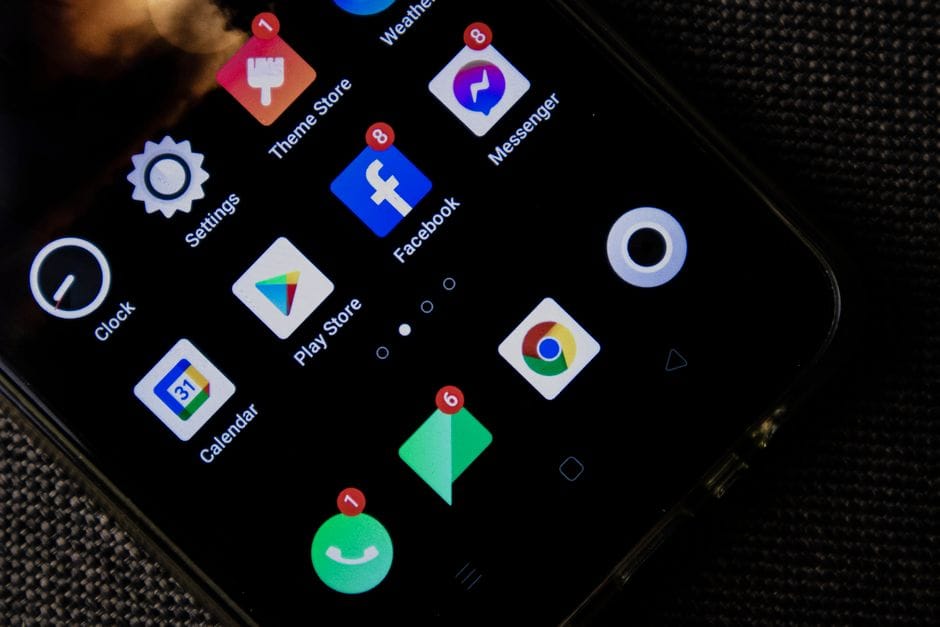
Facebook lottery messages claiming you’ve won a jackpot are, in essentially every documented case, not legitimate — and the reason is simple: Facebook itself does not run a lottery. Meta states plainly in its Help Center that Facebook is not sponsoring a lottery, even if someone contacts you claiming to be a Facebook employee, and that with narrow exceptions for buyers and sellers, Facebook does not award money to users.
- What “Facebook Lottery” Actually Refers To
- How Legitimate Promotions Make Money — And Why That Matters
- What People Publicly Report Receiving
- How Imposters Abuse Real Lottery Names and Real Winners
- Real vs. Fake: Reading Facebook Lottery Messages Correctly
- Why Facebook Lottery Messages Keep Working
- Verify Any Message in Five Minutes
- Frequently Asked Questions
So if the message says “Facebook Lottery,” “Facebook Rewards,” or “Meta Grant,” the sponsor it names does not exist.
There is a real thing underneath the confusion, which is why this scam works so well. Brands, retailers, radio stations, and state lotteries do run genuine promotions and giveaways on Facebook Pages. Those are real, legal, and regulated by sweepstakes law. What is not real is a private message announcing that you won one you never entered.
Powerball’s own guidance is that lotteries will not contact players by email or social media to say they won unless the player specifically entered an official lottery promotion or contest.
This guide separates the two. You’ll see how real Facebook-based promotions actually operate and how they make money, what people publicly report receiving, how imposters abuse the names of real lotteries and real winners, and a five-minute verification routine you can run before you reply to anything.
What “Facebook Lottery” Actually Refers To
There is no company called the Facebook Lottery. Meta operates Facebook; it does not operate a prize drawing for users. What exists instead are third-party promotions: a cosmetics brand giving away a gift basket, a car dealership running a contest, a state lottery promoting a second-chance drawing to people who registered a losing ticket.
Those promotions run on public Pages with published official rules. They have a named sponsor, an entry period, an eligibility statement, and a prize description. The sponsor is a company you can look up. Nothing about them resembles the anonymous facebook lottery messages that arrive in a stranger’s inbox.
The second real thing imposters borrow is the state lottery itself. Powerball, Mega Millions, and individual state lotteries are government-run or government-authorized. They are genuinely legitimate — and they are the single most impersonated brand in this category.
How Legitimate Promotions Make Money — And Why That Matters
Understanding the business model is the fastest way to spot a fake. A brand runs a Facebook giveaway to collect followers, email addresses, and attention. The giveaway is a marketing expense. The company already has the money; it is spending it to reach you.
A state lottery makes money by selling tickets. Revenue comes in at the point of sale, and prizes are paid out of that pool. In both models, the money flows toward you at the end. Nobody in a legitimate structure needs a payment from the winner to release a prize.
That is the whole tell. Federal law requires prize mailings to state clearly that no purchase is necessary to enter and that a purchase does not improve your chances of winning. The FTC is direct about it: real sweepstakes are free, and it is illegal for someone to ask you to pay to increase your odds of winning. Any facebook lottery messages that introduce a fee have already stepped outside how legitimate promotions work.
What People Publicly Report Receiving
The reported pattern is remarkably consistent. A message arrives from a profile using a real person’s name and photo — often an actual jackpot winner. It congratulates you, names a large sum, and asks you to confirm by private message.
Then comes the ask. Reported requests include a “processing fee,” a “delivery fee,” or “taxes” paid up front, plus identity documents. The FTC describes scammers telling people to put hundreds of dollars on gift cards, photograph them, and text the numbers from the back to cover processing and delivery fees.
Payment demands cluster around gift cards, cryptocurrency, and wire transfers. The FTC’s position on those methods is unambiguous: if anybody says you must pay by wiring money or buying a gift card, that’s a scam. Wired money behaves like cash — once it’s gone, recovery is very unlikely.
The scale is documented. In the FTC’s Consumer Sentinel Network data for 2024, prizes, sweepstakes, and lotteries ranked as the fifth-most-common fraud category, with roughly 97,350 reports, about 22% reporting a loss, a $1,000 median loss, and $351 million in total reported losses. The FTC also reports that older adults are much more likely than younger adults to report losing money in this category.
How Imposters Abuse Real Lottery Names and Real Winners
The most documented case involves Mavis Wanczyk, who won a $758.7 million Powerball jackpot in August 2017. Within days, Chicopee, Massachusetts police publicly warned that fake accounts using her name had appeared on Facebook, Twitter, and Instagram, promising money to anyone who followed and answered private messages. Some of those accounts accumulated thousands of followers.
News reporting at the time described dozens of fraudulent accounts impersonating lottery winners across platforms. State lottery officials, including the Florida Lottery, have issued their own public warnings about Mega Millions-themed scams. None of this reflects wrongdoing by Powerball, Mega Millions, any state lottery, or Meta — these organizations are the ones being impersonated, and several of them are the ones issuing the warnings.
📨 Get Free Sweepstakes Alerts
Free · No spam · Unsubscribe anytime
Imposters also borrow government authority. The FTC has warned that scammers invent agency-sounding names like the “National Sweepstakes Bureau” or claim to be the FTC itself, and states clearly that the FTC does not certify or validate prizes and never contacts people asking for money.
Real vs. Fake: Reading Facebook Lottery Messages Correctly
Here is the practical split between a genuine promotion and an imposter using the same vocabulary.
| Signal | Genuine promotion | Imposter |
|---|---|---|
| How you found it | You entered it yourself | Unsolicited DM about a contest you never entered |
| Where it lives | Public post on a verified Page with official rules | Private message only |
| Sponsor | Named, real, searchable company | “Facebook Lottery,” “Meta Grant,” a stranger’s profile |
| Money direction | Prize flows to you | You pay a fee first |
| Payment method | None required to claim | Gift cards, crypto, wire transfer |
| Information requested | Standard affidavit through official channels | SSN, bank login, driver’s license by chat |
| Pace | Defined claim window in the rules | “Act now” urgency |
Real prizes can carry real tax obligations. That’s normal — but a legitimate sponsor handles reporting through documentation, not by collecting cash from you in a chat window. If you win something substantial, the tax treatment depends on your situation, and the IRS at irs.gov is the authority for your case.
Why Facebook Lottery Messages Keep Working
These messages exploit familiarity. The name attached is a real winner or a real lottery. The platform is one you use daily. And the message often arrives from a hacked account belonging to someone you actually know, which strips away the usual stranger-danger instinct.
They also exploit sequencing. The first fee is small relative to the promised prize, which makes it feel like a reasonable transaction rather than a loss. Each payment then justifies the next one.
Finally, they exploit privacy. Facebook lottery messages arrive in a channel nobody else sees. A public giveaway post attracts comments, questions, and skeptics. A private message has an audience of one.
Verify Any Message in Five Minutes
- Ask whether you entered. If you never entered a contest, you did not win one. This resolves most facebook lottery messages immediately.
- Check the sponsor’s name. Search it. If it’s “Facebook Lottery” or “Facebook Rewards,” stop — Meta says it does not sponsor a lottery.
- Find the official rules. Genuine promotions publish them. No rules page, no legitimate promotion.
- Look for the fee. Any request for money, gift cards, crypto, or a wire transfer to release a prize ends the inquiry.
- Contact the real organization directly. Go to the state lottery’s official site or the brand’s verified page yourself. Never use a phone number or link supplied in the message.
- Check the profile. Recently created, few real friends, photos lifted from news coverage — these are the markers police flagged in the Wanczyk case.
- Report it. Report the account inside Facebook and file at ReportFraud.ftc.gov.
Run those seven steps and virtually every fake collapses at step one or step four. Genuine facebook lottery messages — meaning real promotions you actually entered — survive all seven without difficulty, because a legitimate sponsor has nothing to hide and nothing to collect from you.
Frequently Asked Questions
Does Facebook run its own lottery?
No. Meta’s Help Center states that Facebook is not sponsoring a lottery, even if someone claims to be a Facebook employee, and that Facebook does not award money to users apart from limited buyer and seller situations.
Can a real lottery contact me on Facebook?
Generally no. Powerball’s guidance is that lotteries will not contact players by email or social media about a win unless the player specifically entered an official lottery promotion or contest. Winners are identified by ticket, not by direct message.
Is it ever normal to pay a fee before receiving a prize?
No. The FTC states that real sweepstakes are free and that it’s illegal for someone to ask you to pay to increase your odds of winning. A demand for gift cards, cryptocurrency, or a wire transfer is a scam indicator.
What should I do if I already sent money or information?
Report it at ReportFraud.ftc.gov and contact your bank, card issuer, or the gift card company right away. Change any passwords you shared. If you disclosed identity details, IdentityTheft.gov walks through recovery steps.
Want to put this knowledge to work?
Know the Rules Where You Live
Sweepstakes and prize rules change from state to state — what a sponsor can offer, how prizes are handled, and what protections you have. Pick your state to see the exact rules that apply where you live.
See Sweepstakes Laws in All 50 States →
Sources & How to Verify
The facts on this page are drawn from official government and primary sources. Rules and figures change, so always confirm the current details with the official agency or the promotion’s own published rules.
- FTC Consumer Advice: consumer.ftc.gov — prize, sweepstakes, and lottery scam guidance
- IRS: irs.gov — how prizes and winnings are treated as income
- Social Security Administration: ssa.gov — what SSI recipients must report
- The promotion’s official rules: every legitimate sweepstakes publishes them — the rules page is always the final word
Content last reviewed August 2026. If you notice outdated information, please contact us.
You May Also Like
Related Guides
- Sweepstakes Laws by State (50-State Guide)
- More in This Category
- Sweepstakes Resources
- Scam Checks
- Sweepstakes Tax Calculator
- All Active Sweepstakes
Informational only — not legal, tax, or financial advice. Win Big Daily is an independent educational resource. Prize rules, tax treatment, and benefit-program requirements vary by state and program and change over time, so always verify the current details with the official agency, the promotion’s published rules, or a qualified professional before acting. If a topic involves government benefits, contact the program office about your specific situation.