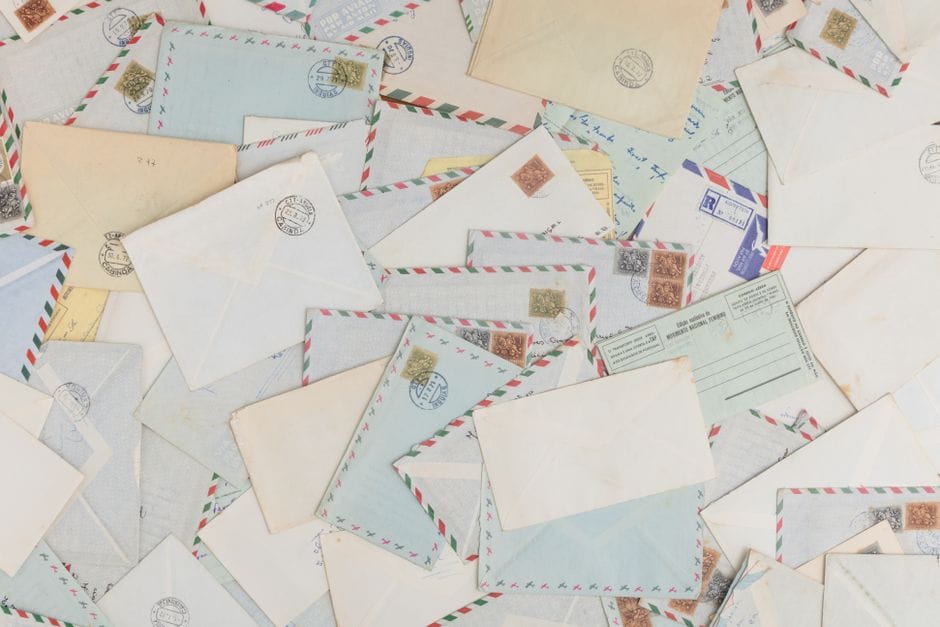
A free mail in entry is the no-cost path into a sweepstakes, and by law it has to give you exactly the same shot at the prize as anyone who bought something. In the United States, a promotion that requires a purchase to enter and awards prizes by chance is an illegal private lottery.
- Why a free mail in entry has to exist at all
- The key figures at a glance
- Does a free mail in entry really have the same odds?
- What a free mail in entry usually asks for
- Surprising things about this system that are actually true
- What happens after you win with a free mail in entry
- Frequently Asked Questions
So sponsors bolt on an alternative method of entry — usually a hand-printed postcard or a free online form — and the official rules say plainly that no purchase is necessary and that buying will not improve your chances.
Here are the real current numbers. A First-Class Forever stamp costs 82 cents and a domestic postcard stamp costs 65 cents, both effective July 12, 2026, according to the U.S. Postal Service’s own price-change announcement. Florida and New York require a sponsor to register and bond any promotion whose total prize value exceeds $5,000, under statutes including Florida Statute § 849.094.
And the Deceptive Mail Prevention and Enforcement Act, signed December 12, 1999 as Public Law 106-168, requires sweepstakes mailings to state that no purchase is necessary and that a purchase does not improve your chance of winning.
That is the whole system in three facts: the purchase can’t be required, the free path has to be disclosed, and the odds have to match. What follows is how a free mail in entry actually works in practice, what the paperwork usually asks for, and a few genuinely odd true stories from the history of this corner of American promotion law.
Why a free mail in entry has to exist at all
A lottery, legally, needs three ingredients: a prize, chance, and consideration — meaning you gave something up to play. States reserve lotteries for themselves. Remove any one ingredient and it stops being a lottery. Sponsors can’t remove the prize, and they don’t want to remove chance, so they remove consideration. The free mail in entry is how they do it.
That’s also why the disclosures are so formulaic. The FTC, the FCC and the Postal Inspection Service all have jurisdiction over pieces of this, and the 1999 federal mail law added specific requirements for mailed promotions: the no-purchase language on the rules and the order form, plus standards for facsimile checks, which must state on the check itself that they are non-negotiable and have no cash value.
The key figures at a glance
| Item | Current figure | Source |
| Forever stamp | 82 cents (was 78 cents) | USPS, effective July 12, 2026 |
| Domestic postcard stamp | 65 cents (was 61 cents) | USPS, effective July 12, 2026 |
| FL / NY registration and bonding threshold | Total prize value over $5,000 | Fla. Stat. § 849.094; New York law |
| Federal mail disclosure law | Public Law 106-168, Dec. 12, 1999 | Congress.gov |
| PCH settlement with the FTC | $18.5 million, announced June 2023 | FTC / Consumer Advice |
| Consumers refunded from that settlement | 281,724 checks, issued April 30, 2025 | FTC |
| McDonald’s Monopoly 2025 overall odds | About 1 in 5 for any prize | 2025 official rules |
| 1099-MISC prize reporting threshold | $600 for 2025; $2,000 for prizes awarded after Dec. 31, 2025 | IRS reporting rules |
Does a free mail in entry really have the same odds?
Yes, and it’s not a courtesy — it’s the condition that keeps the promotion legal. Every set of official rules you’ll read says some version of the same line. Publishers Clearing House states in its rules that you don’t have to buy anything to enter and that buying won’t help you win. The 2025 McDonald’s Monopoly rules said the same: no purchase necessary to play or win, and a purchase will not improve chances of winning.
What changes is volume, not per-entry odds. If a sponsor lets you submit unlimited free entries, mailing more postcards raises your total count the same way clicking more times would. If the rules cap entries — McDonald’s capped free game-code requests at five per person per day, for a maximum of 10 codes daily — the cap applies to buyers too.
Be honest with yourself about scale, though. PCH has publicly framed the odds on its top SuperPrize at roughly 1 in 6.2 billion for a single entry. A free mail in entry is free; it is not a plan.
What a free mail in entry usually asks for
Formats vary by sponsor, and the official rules always govern. Still, the typical request looks like this:
- A plain 3×5 index card or postcard, hand-printed
- Your full name, complete mailing address, city, state, ZIP and often date of birth
- The exact name of the sweepstakes, written as the rules spell it
- Mailed in a hand-addressed envelope with proper first-class postage, if an envelope is required
- One entry per envelope, postmarked and received by the stated deadlines
Read the rules for the specific promotion before you write anything. Sponsors reject entries for missing a required field or arriving after the received-by date, and those two deadlines are often different from each other.
Surprising things about this system that are actually true
The most famous sweepstakes brand in America ran into the very rule the free mail in entry is built to protect. In June 2023, the FTC announced an $18.5 million settlement with Publishers Clearing House over what it called dark patterns that led consumers to believe a purchase was necessary or would improve their chances. The refund program issued 281,724 checks on April 30, 2025.
PCH itself then filed for Chapter 11 bankruptcy on April 9, 2025, using the process to move away from direct mail, magazine subscriptions and retail merchandise toward a free-to-play digital model. ARB Interactive won the asset auction that June. Past winners with ongoing “forever” prize obligations have faced real uncertainty in the proceedings, as widely reported.
Then there’s McMillions. Jerome Jacobson, a security officer at the firm that distributed McDonald’s Monopoly game pieces, siphoned off high-value winners between 1989 and 2001 — roughly $24 million worth. The FBI arrested him and seven others in August 2001, more than 50 people were ultimately convicted, and Jacobson was sentenced in 2003 to 37 months in prison and over $12.5 million in restitution.
📨 Get Free Sweepstakes Alerts
Free · No spam · Unsubscribe anytime
What happens after you win with a free mail in entry
Winning by postcard is treated identically to winning any other way. You’ll typically get an affidavit of eligibility and a liability release to sign and return within a short window, and big-prize sponsors often verify identity before releasing anything.
On taxes: the IRS treats prizes and awards — cash, gift cards, merchandise, travel — as taxable income at fair market value, and winners are responsible for reporting prize income whether or not a form arrives. The Form 1099-MISC reporting threshold was $600 for prizes awarded in 2025 and rises to $2,000 for prizes awarded after December 31, 2025, with inflation adjustments starting in 2027. That threshold governs the sponsor’s paperwork, not what counts as income.
For your own situation, IRS.gov or a tax professional is the right place to go.
If you receive benefits — SSI, SNAP, Medicaid, Section 8 or similar — reporting requirements generally apply to prizes and windfalls, and how a prize is treated depends on the specific program and your circumstances. Contact the agency that administers your benefits directly rather than guessing.
Frequently Asked Questions
Is a free mail in entry always available?
For a legitimate US sweepstakes, a free method of entry must exist and must be disclosed. It isn’t always by mail — many sponsors now use a free online form instead. Check the official rules section labeled “how to enter” or “AMOE.”
Can a sponsor limit how many free entries I send?
Yes. Entry caps are legal as long as they apply equally to purchase and non-purchase entries. McDonald’s 2025 Monopoly rules capped free game-code requests at five requests per person per day.
Do I need a stamp for a free mail in entry?
Usually yes — postage is your cost, not the sponsor’s, and courts have generally not treated it as consideration. A Forever stamp is 82 cents and a domestic postcard stamp is 65 cents as of July 12, 2026, per USPS.
How do I tell a real sweepstakes from an imposter?
Real sponsors never ask winners to pay a fee, taxes upfront, or shipping to release a prize. Scammers frequently impersonate well-known sweepstakes brands; the brand being real does not make the message real. The FTC collects guidance and reports at ftc.gov/lottery-sweepstakes.
Want to put this knowledge to work?
Know the Rules Where You Live
Sweepstakes and prize rules change from state to state — what a sponsor can offer, how prizes are handled, and what protections you have. Pick your state to see the exact rules that apply where you live.
See Sweepstakes Laws in All 50 States →
Sources & How to Verify
The facts on this page are drawn from official government and primary sources. Rules and figures change, so always confirm the current details with the official agency or the promotion’s own published rules.
- FTC Consumer Advice: consumer.ftc.gov — prize, sweepstakes, and lottery scam guidance
- IRS: irs.gov — how prizes and winnings are treated as income
- Social Security Administration: ssa.gov — what SSI recipients must report
- The promotion’s official rules: every legitimate sweepstakes publishes them — the rules page is always the final word
Content last reviewed August 2026. If you notice outdated information, please contact us.
You May Also Like
Related Guides
- Sweepstakes Laws by State (50-State Guide)
- More in This Category
- Sweepstakes Resources
- Scam Checks
- Sweepstakes Tax Calculator
- All Active Sweepstakes
Informational only — not legal, tax, or financial advice. Win Big Daily is an independent educational resource. Prize rules, tax treatment, and benefit-program requirements vary by state and program and change over time, so always verify the current details with the official agency, the promotion’s published rules, or a qualified professional before acting. If a topic involves government benefits, contact the program office about your specific situation.