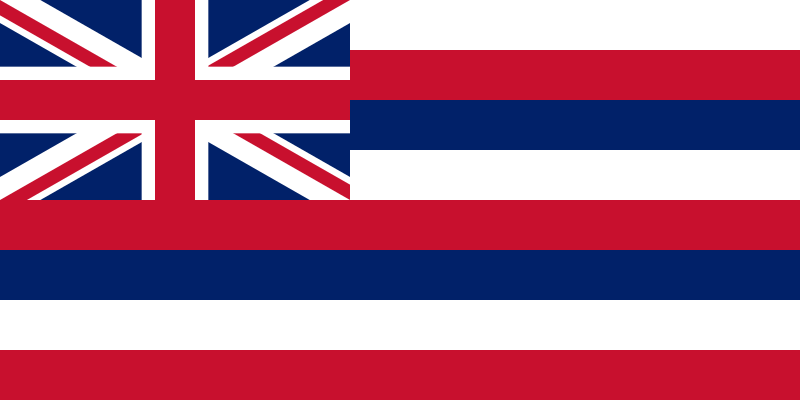
Hawaii sweepstakes laws are among the strictest in the United States. Hawaii is one of only two states that prohibit all forms of gambling. Utah is the other. As a result, sweepstakes promotions face intense scrutiny in the Aloha State. The line between a legal sweepstakes and an illegal lottery is razor-thin here. Hawaii Revised Statutes Chapter 712 governs gambling offenses.
HRS Chapter 481B addresses deceptive promotional practices directly. The Hawaii Office of Consumer Protection actively enforces these rules. Residents and sponsors alike must understand these regulations. Getting it wrong can lead to felony charges. This guide covers everything you need to know about entering and running sweepstakes in Hawaii.
Hawaii Sweepstakes Registration and Bonding Requirements
Hawaii does not require general sweepstakes registration. Unlike New York, Florida, or Rhode Island, sponsors do not need to file paperwork before launching a standard promotion. However, this does not mean Hawaii takes a hands-off approach. The state’s broad anti-gambling laws serve as the primary regulatory framework instead.
There are important exceptions to the no-registration rule. If a sweepstakes offers real property as a prize, HRS 481B-1.6 requires a surety bond. The bond amount must be at least $10,000. It must be filed with the Director of Commerce and Consumer Affairs. An authorized surety company must back the bond. This protects consumers if the sponsor fails to deliver the promised prize.
Travel prizes trigger additional requirements under Hawaii sweepstakes laws. HRS Chapter 468L governs sellers of travel in Hawaii. If a sweepstakes prize includes travel arrangements, the sponsor may need to register with the DCCA. This registration must be renewed every odd-numbered year by December 31. Failure to register can result in penalties and enforcement action.
Hawaii Sweepstakes Laws: Prize Disclosure and Tax Rules
Hawaii sweepstakes laws impose strict prize disclosure requirements. Under HRS 481B-1.6, promoters must award all prizes they advertise. If some prizes may not be awarded, the sponsor must disclose this clearly. The disclosure must appear in writing before entry. It must also include the dates when winners will be determined. Violating these rules constitutes an unfair or deceptive practice.
Hawaii taxes sweepstakes winnings as ordinary income. The state has 12 tax brackets, more than any other state. Rates range from 1.40% to 11.00%. The top rate of 11% applies to income over $325,000 for single filers. This is among the highest state income tax rates in the nation. For example, a $500,000 sweepstakes prize could face an 11% state tax rate on a significant portion.
| Regulation | Details |
|---|---|
| General Registration Required | No |
| Real Property Bond | $10,000 minimum (HRS 481B-1.6) |
| State Income Tax Range | 1.40% – 11.00% (12 brackets) |
| Federal Reporting Threshold | $600 (Form 1099-MISC) |
| Federal Withholding Threshold | $5,000 (24% withholding) |
| Combined Top Tax Rate | Up to 35% (federal + state) |
| Key Consumer Protection Statute | HRS Chapter 480 |
| Sweepstakes-Specific Statute | HRS 481B-1.6 |
| Gambling Prohibition | HRS Chapter 712 (all gambling banned) |
| Treble Damages Available | Yes – minimum $1,000 or 3x actual damages |
At the federal level, winnings over $600 require the sponsor to issue a 1099 form. Prizes exceeding $5,000 trigger mandatory 24% federal tax withholding. In most cases, Hawaii winners face a combined top effective rate of approximately 35%. Winners should set aside funds for both state and federal tax obligations immediately.
Consumer Protection in Hawaii
Hawaii sweepstakes laws are backed by strong consumer protection statutes. HRS Chapter 480 declares all unfair or deceptive acts in commerce unlawful. The Hawaii Attorney General and the Office of Consumer Protection both enforce these rules. Consumers who are harmed can also sue directly under HRS 480-13.
The penalties for violating Hawaii’s consumer protection laws are severe. Courts can award a minimum of $1,000 or treble damages, whichever is greater. Attorney’s fees are mandatory for prevailing consumers. For elder victims, HRS 480-13.5 raises the minimum to $5,000 or treble damages. These provisions give Hawaii sweepstakes laws real enforcement teeth. As a result, deceptive promotions carry significant financial risk.
To report a suspicious sweepstakes in Hawaii, consumers should contact the Office of Consumer Protection. The OCP accepts complaints through its online portal or by calling 1-844-808-3222. The Federal Trade Commission also accepts complaints about sweepstakes fraud. In 2025, the Hawaii Attorney General warned nine phone providers about unlawful robocall traffic, including sweepstakes-related scam calls.
No-Purchase-Necessary Rules in Hawaii
The no-purchase-necessary requirement is critical under Hawaii sweepstakes laws. A legitimate sweepstakes must eliminate consideration entirely. In most cases, this means offering a free Alternative Method of Entry. The AMOE must give participants the same chance of winning as those who make a purchase. Any promotion that combines a prize, chance, and consideration becomes an illegal lottery.
Hawaii’s gambling ban makes this distinction especially important. Under HRS 712-1220, a lottery exists when participants pay for chances to win prizes through random selection. Promoting such a scheme is a Class B felony under HRS 712-1221. Even small-scale promotion is a Class C felony under HRS 712-1222. Typically, other states treat these violations as misdemeanors. Hawaii does not.
📨 Get Free Sweepstakes Alerts
Free · No spam · Unsubscribe anytime
HRS 481B-1.6 reinforces the no-purchase rule at the state level. Sponsors must clearly state that no purchase or payment is required. They must provide instructions for free entry. They must include an address or toll-free number for consumer inquiries. However, compliance with federal FTC guidelines alone is not enough. Sponsors must also satisfy Hawaii’s specific statutory requirements to stay within the law.
Running a Sweepstakes in Hawaii: Compliance Checklist
Running a sweepstakes that includes Hawaii residents requires careful planning. Hawaii sweepstakes laws demand more caution than most states. The combination of strict gambling prohibitions and strong consumer protections creates a challenging regulatory environment. Many national sweepstakes sponsors choose to exclude Hawaii entirely. However, compliance is achievable with proper preparation.
Sponsors should follow these steps for Hawaii compliance. First, ensure the promotion is a true sweepstakes with no purchase requirement. Second, provide a clear and accessible AMOE. Third, disclose all material terms before entry, including odds and prize details. Fourth, commit to awarding all advertised prizes. Fifth, check whether real property or travel prizes trigger bonding or registration requirements under Hawaii sweepstakes laws.
Additionally, sponsors should review HRS 712-1229 carefully. This statute eliminates the defense that a lottery was conducted outside Hawaii. For example, running a promotion from another state does not exempt a sponsor from Hawaii’s gambling laws. If Hawaii residents can enter, Hawaii law applies. Consulting with an attorney familiar with Hawaii sweepstakes laws is strongly recommended before launching any promotion that targets the state.
Frequently Asked Questions
Are sweepstakes legal in Hawaii?
Yes, legitimate sweepstakes are legal in Hawaii. However, they must not require any purchase or payment to enter. Any promotion that combines a prize, chance, and consideration is an illegal lottery under HRS Chapter 712.
Do I have to pay taxes on sweepstakes winnings in Hawaii?
Yes, Hawaii taxes sweepstakes winnings as ordinary income. State rates range from 1.40% to 11.00%. You will also owe federal taxes, with mandatory 24% withholding on prizes over $5,000.
How do I report a sweepstakes scam in Hawaii?
Contact the Hawaii Office of Consumer Protection at 1-844-808-3222 or file a complaint through their website. You can also report scams to the FTC and the Hawaii Attorney General’s office.
Enter More Sweepstakes
Ready to start entering? Browse our curated list of current legitimate sweepstakes with verified entry links.
Official Sources & Resources
- FTC (Federal Trade Commission): Prize Scam Awareness
- IRS (Prize Tax Reporting): IRS Topic 419 — Gambling Income
- FBI IC3 (Internet Crime): ic3.gov
- USA.gov — Scams: usa.gov/scams
Content last reviewed April 2026. If you notice any outdated information, please contact us.