Is InboxDollars legit? Yes — InboxDollars is a real, long-running rewards company, not a phantom website. It has operated since 2000, it is owned by Prodege, LLC (the same company behind Swagbucks and MyPoints), and its payment rules, minimums, and processing times are published openly on its own help site. That is the verifiable public record, and it is the honest starting point for anyone asking is InboxDollars legit before handing over an email address.
- Is InboxDollars Legit? The Company Behind the Brand
- How It Makes Money — the Reason It Can Pay Real Cash
- Payouts, Minimums, and Timing: What the Official Rules Say
- What Users Publicly Report — The Good and the Frustrating
- Is InboxDollars Legit When It Texts You? Imposter Scams Explained
- Real vs. Fake: Telling the Genuine Company from a Copycat
- Verify It Yourself in Five Minutes
- Frequently Asked Questions
Being real, though, is not the same as being lucrative. The genuine complaint pattern people file — with the Better Business Bureau and in public reviews — is about disqualified surveys, slow or missing credits, and closed accounts, not about a company that doesn’t exist. So the useful version of the question is not just “is InboxDollars legit,” but “what does it actually pay, and what should I expect?”
There is a second layer too. Because the brand is well known, scammers imitate it. Texts, emails, and social posts promising instant InboxDollars cash are frequently imposter traffic that has nothing to do with the real company. This guide separates the documented facts about the company from the copycats using its name.
Is InboxDollars Legit? The Company Behind the Brand
InboxDollars was launched in 2000 by CotterWeb Enterprises, Inc., a Minnesota-based company. In May 2019, Prodege, LLC announced it had acquired CotterWeb, which also operated SendEarnings.com, DailyRewards.com in Canada, and InboxPounds.co.uk. Prodege’s own press release described the deal as pushing its combined rewards membership past 100 million registered members worldwide.
Prodege itself was founded in 2005 and runs a portfolio of consumer rewards and market-research brands. Its Better Business Bureau profile lists InboxDollars as one of its alternate business names and shows the company as BBB Accredited since May 21, 2010.
So when people ask is InboxDollars legit in the sense of “does this company actually exist and have a traceable corporate owner,” the answer is documented and public. There is a named parent company, a published acquisition, a BBB profile, and a public terms-of-service and payments policy you can read before you join.
How It Makes Money — the Reason It Can Pay Real Cash
The business model is straightforward, and understanding it is the fastest way to see why the payouts can be genuine. Market-research firms, advertisers, and brands pay for consumer opinions, ad views, and completed offers. InboxDollars sits in the middle, routes people to those tasks, keeps part of the fee, and passes part of it along to members.
That is why the earnings are small. You are not being given money — you are being paid a slice of what an advertiser paid for your attention or your survey response. A completed survey is worth what the research buyer paid for it, minus the platform’s cut.
It also explains disqualifications, which frustrate people the most. Research buyers want specific demographics. If you answer three screening questions and don’t fit the target group, the study has no commercial value for that buyer, and you get screened out. Annoying, but it is a normal feature of paid market research rather than evidence of a trick.
Payouts, Minimums, and Timing: What the Official Rules Say
InboxDollars publishes its payment terms on its own help center. Those published rules are the figures worth trusting, because they come from the company itself rather than from a review site.
- First cash-out minimum: $15.00 in your account before you can request your first payment.
- Later cash-outs: requests can be made at $10.00 or higher.
- Processing: the help center describes roughly 3 business days of processing for gift cards and PayPal, with gift cards averaging about 10 days from when the redemption request is received.
- Gift cards: delivered virtually, with no additional fee stated.
- PayPal: requires matching account details and a verified account.
Anyone quoting a much higher “typical monthly income” figure without a source is guessing. Real earnings depend on how many surveys you qualify for, which varies heavily by demographics, and no honest article can promise you a number.
What Users Publicly Report — The Good and the Frustrating
Public feedback is genuinely mixed, and it is worth reading plainly rather than through a marketing filter. People do post payment confirmations, and the platform’s decades-long operating history and corporate ownership are consistent with a company that pays.
At the same time, the BBB profile for Prodege shows thousands of complaints closed in recent years across its brands. The recurring themes in those filings are rewards or payments not received, credits not posting for completed offers, and accounts being closed while a balance was outstanding.
Those are consumer complaints, not findings of wrongdoing, and the company responds to them through the BBB process. Complaint volume also has to be read against scale: a platform with tens of millions of registered members will naturally generate more filings than a small one. Still, if you are weighing is InboxDollars legit against is it worth your time, that complaint pattern is the honest counterweight.
Is InboxDollars Legit When It Texts You? Imposter Scams Explained
This is where most real harm happens. Fraudsters routinely borrow the names of well-known rewards and survey brands because the names build instant trust. The FTC’s consumer guidance on phishing is blunt about the pattern: unsolicited messages that push you to click a link, claim a prize, or create urgency should be treated as suspect regardless of the brand on them.
📨 Get Free Sweepstakes Alerts
Free · No spam · Unsubscribe anytime
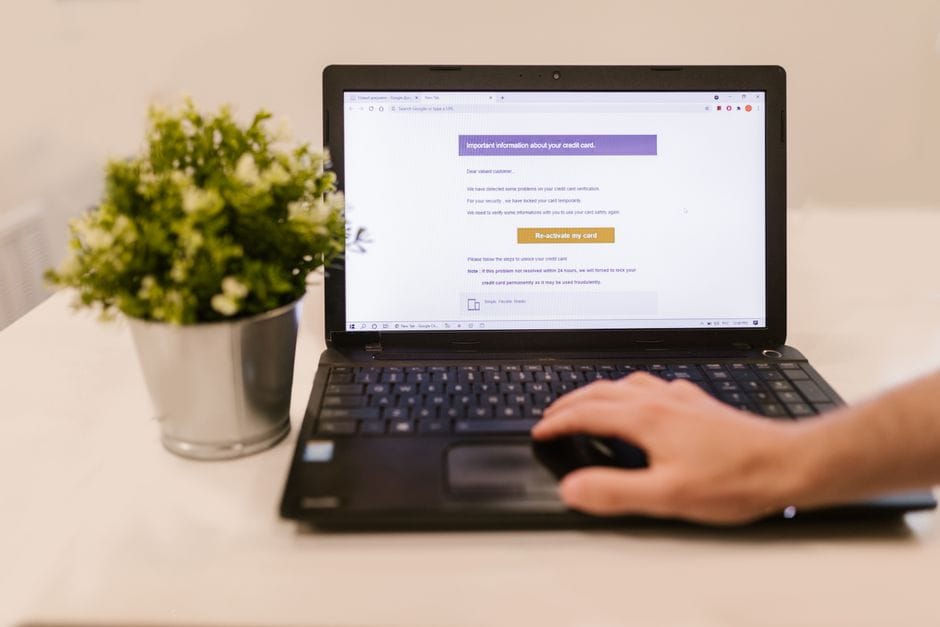
Typical imposter behavior includes texts announcing a reward you never earned, emails linking to a look-alike login page built to harvest your password, “verification” pages asking for a Social Security number or bank login, and requests for a small fee to unlock your balance.
Here is the rule that resolves nearly every case of is InboxDollars legit in a specific message: the real platform’s earnings live inside your account on its own website. Something urgent arriving by text with a shortened link is the format scammers use, not the format a payout uses.
Real vs. Fake: Telling the Genuine Company from a Copycat
| Genuine InboxDollars | Imposter using the name |
| You sign up yourself at the official site; nothing arrives unsolicited | A text or DM you never requested claims you have money waiting |
| Earnings accrue inside your account dashboard | You are pushed to an outside link to “claim” a balance |
| Published minimums ($15 first, $10 after) and payment terms | Vague or wildly inflated amounts with no rules page |
| Never asks you to pay to receive your own earnings | Asks for a processing fee, gift card, or crypto payment |
| Asks for information needed to pay you, per its own policy | Asks for bank logins, full SSN, or remote access to your device |
| Owned by Prodege, LLC, with a public BBB profile | No traceable company, no terms, no physical address |
One more tell: URLs. Copycats use near-miss domains with extra words, hyphens, or unusual endings. Type the address yourself instead of tapping a link someone sent you, and most impersonation attempts fall apart immediately.
A note on money and taxes: rewards income can carry reporting obligations, and how that works depends on your situation. IRS.gov is the authoritative source, and a tax professional is the right person to ask about your own return. If you receive certain public benefits, reporting requirements generally apply to income, and outcomes depend on the specific program and your circumstances — check with the agency that administers your case rather than relying on any article.
Verify It Yourself in Five Minutes
- Type the domain by hand. Go to the official site directly instead of following a link from a message. Compare the address in your browser bar to the one in whatever contacted you.
- Read the payment terms page. The minimums and processing windows are published. If an offer promises something wildly different, it isn’t coming from the company.
- Check the BBB profile for Prodege, LLC. Look at the accreditation status, the rating, and the substance of recent complaints and company responses — not just the count.
- Search the FTC’s consumer site for the scam pattern. consumer.ftc.gov describes prize, survey, and phishing tactics in detail so you can match what you received against known formats.
- Apply the fee test. No legitimate rewards platform requires you to pay money, buy a gift card, or send crypto to release earnings you already have. That request alone ends the analysis.
Frequently Asked Questions
Is InboxDollars legit, or is it a scam?
The company is real and traceable: operating since 2000, owned by Prodege, LLC since 2019, with a BBB profile and published payment terms. Complaints exist, mostly about credits and account issues. The scams are imposters using the name in unsolicited texts and emails.
How much money do you actually have to earn before cashing out?
Per the company’s own help center, the first payment request requires at least $15.00 in your account. After that, requests can be made at $10.00 or higher.
Why do surveys disqualify me after several questions?
Research buyers target specific demographics. Screening questions determine whether you fit the study. If you don’t, you’re routed out. It’s standard to paid market research, though it is the most common source of user frustration.
How do I know if a message claiming to be InboxDollars is fake?
Treat unsolicited messages as suspect. Genuine earnings sit inside your account on the official site. Any demand for a fee, bank login, or full Social Security number to release a balance is a scam signal, per FTC consumer guidance.
Want to put this knowledge to work?
Know the Rules Where You Live
Sweepstakes and prize rules change from state to state — what a sponsor can offer, how prizes are handled, and what protections you have. Pick your state to see the exact rules that apply where you live.
See Sweepstakes Laws in All 50 States →
Sources & How to Verify
The facts on this page are drawn from official government and primary sources. Rules and figures change, so always confirm the current details with the official agency or the promotion’s own published rules.
- FTC Consumer Advice: consumer.ftc.gov — prize, sweepstakes, and lottery scam guidance
- IRS: irs.gov — how prizes and winnings are treated as income
- Social Security Administration: ssa.gov — what SSI recipients must report
- The promotion’s official rules: every legitimate sweepstakes publishes them — the rules page is always the final word
Content last reviewed August 2026. If you notice outdated information, please contact us.
You May Also Like
Related Guides
- Sweepstakes Laws by State (50-State Guide)
- More in This Category
- Sweepstakes Resources
- Scam Checks
- Sweepstakes Tax Calculator
- All Active Sweepstakes
Informational only — not legal, tax, or financial advice. Win Big Daily is an independent educational resource. Prize rules, tax treatment, and benefit-program requirements vary by state and program and change over time, so always verify the current details with the official agency, the promotion’s published rules, or a qualified professional before acting. If a topic involves government benefits, contact the program office about your specific situation.