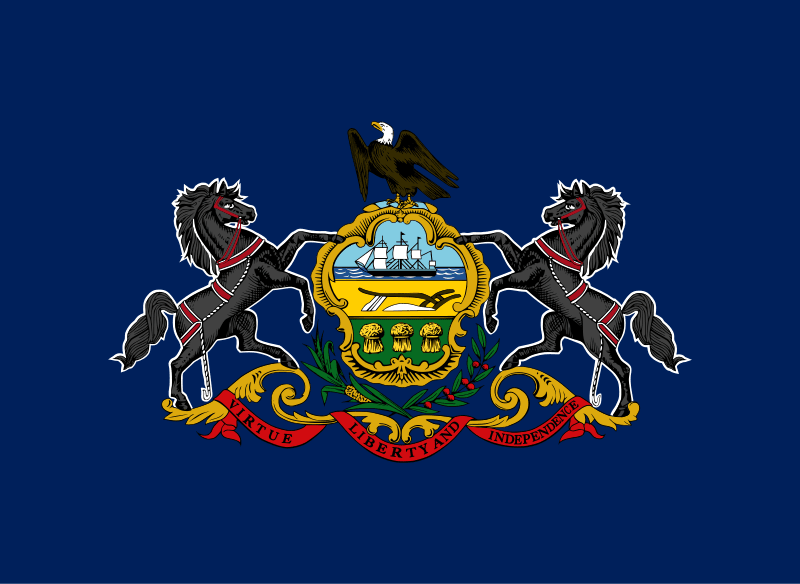
Pennsylvania sweepstakes laws govern how promotional giveaways and contests operate within the Commonwealth. These laws protect consumers from deceptive practices. They also ensure that sweepstakes remain distinct from illegal lotteries. Pennsylvania does not have a standalone sweepstakes statute like some other states. Instead, it relies on a combination of federal regulations and state consumer protection laws. The Table of Contents
attorneygeneral.gov/public-protection-division/bureau-consumer-protection/”>Pennsylvania Attorney General’s Bureau of Consumer Protection actively enforces these rules. The Pennsylvania Unfair Trade Practices and Consumer Protection Law (73 P.S. § 201-1 et seq.) serves as the primary state-level framework. Understanding Pennsylvania sweepstakes laws is essential for both consumers entering promotions and businesses running them across the state.
Pennsylvania Sweepstakes Registration and Bonding Requirements
Pennsylvania does not require sweepstakes sponsors to register promotions with the state. This sets it apart from states like New York, Florida, and Rhode Island. Those states mandate registration or bonding for high-value sweepstakes. In Pennsylvania, no filing fees or surety bonds are necessary before launching a promotion. However, sponsors must still comply with all applicable federal and state consumer protection laws.
The absence of registration requirements does not mean Pennsylvania sweepstakes laws are lenient. The Commonwealth enforces strict rules against deceptive promotions. The Pennsylvania Unfair Trade Practices and Consumer Protection Law prohibits 21 specific unfair or deceptive acts. Misleading sweepstakes notifications fall squarely within these prohibited practices. For example, telling someone they have “definitely won” when they have not is illegal under this statute.
Sponsors running national sweepstakes should note this distinction. While Pennsylvania itself requires no registration, the promotion may still need filings in other states. In most cases, companies consult legal counsel to ensure multi-state compliance. Pennsylvania sweepstakes laws simply do not add a registration layer to that process.
Pennsylvania Sweepstakes Laws: Prize Disclosure and Tax Rules
Pennsylvania sweepstakes laws require clear disclosure of prize details. Sponsors must state the approximate retail value of each prize. They must also disclose the odds of winning, eligibility requirements, and entry deadlines. All promotional materials should include how winners will be selected and notified. Failure to disclose these details can trigger enforcement under consumer protection statutes.
Sweepstakes winnings are fully taxable in Pennsylvania. The Commonwealth imposes a flat state income tax rate of 3.07% on all prize winnings. There is no minimum threshold for state reporting. All winnings, regardless of amount, must be reported to the Pennsylvania Department of Revenue. At the federal level, prizes valued at $600 or more require 1099-MISC reporting. Federal withholding of 24% applies to prizes of $5,000 or more. As a result, winners of large prizes may face a combined tax burden exceeding 27%.
| Regulation | Pennsylvania Requirement |
|---|---|
| Sweepstakes Registration | Not required |
| Surety Bond | Not required |
| State Income Tax on Winnings | 3.07% flat rate (no minimum threshold) |
| Federal Reporting Threshold | $600+ (1099-MISC required) |
| Federal Withholding | 24% on prizes of $5,000+ |
| No-Purchase-Necessary Rule | Required (enforced under lottery statutes) |
| Prize Disclosure | Required (value, odds, eligibility, deadlines) |
| Primary Enforcement Agency | PA Attorney General, Bureau of Consumer Protection |
| Consumer Protection Statute | 73 P.S. § 201-1 et seq. (UTPCPL) |
| Criminal Gambling Statute | 18 Pa.C.S. § 5513 |
Consumer Protection in Pennsylvania
The Pennsylvania Attorney General’s Office takes sweepstakes fraud seriously. The Bureau of Consumer Protection investigates deceptive promotions targeting Pennsylvania residents. In 2024 alone, the Bureau secured over $16.6 million in consumer savings and restitution. Sweepstakes scams remain one of the most frequently reported fraud types. Older Pennsylvanians are disproportionately targeted by these schemes.
Pennsylvania sweepstakes laws gained attention in a notable 2024 enforcement case. Two individuals from New York were charged after defrauding a Montgomery County resident of $130,000. The defendants posed as Publishers Clearing House representatives. They faced charges including corrupt organizations, criminal use of communication facilities, and theft. This case demonstrated Pennsylvania’s willingness to prosecute sweepstakes fraud aggressively.
Consumers who suspect a sweepstakes scam can report it through several channels. The Attorney General’s consumer hotline is available at 800-441-2555. Reports can also be submitted by email to [email protected]. The Federal Trade Commission also accepts complaints about fraudulent sweepstakes. Typically, authorities recommend never paying money to claim a prize. Legitimate sweepstakes never require upfront fees or tax payments from winners.
No-Purchase-Necessary Rules in Pennsylvania
Pennsylvania sweepstakes laws strictly enforce the no-purchase-necessary requirement. This rule is what separates a legal sweepstakes from an illegal lottery. Under 18 Pa.C.S. § 5513, a promotion becomes an illegal lottery when it combines three elements: prize, chance, and consideration. “Consideration” means requiring a purchase or payment to enter. Removing consideration keeps the promotion legal.
Every sweepstakes in Pennsylvania must offer a free alternate method of entry (AMOE). This free entry method must provide equal chances of winning. For example, a mail-in entry option must carry the same odds as an online purchase-linked entry. The AMOE cannot be buried in fine print or made unreasonably difficult. Pennsylvania sweepstakes laws treat any barrier to free entry as potential consideration.
📨 Get Free Sweepstakes Alerts
Free · No spam · Unsubscribe anytime
Sponsors should prominently display the phrase “No purchase necessary to enter or win.” This disclosure must appear on all promotional materials. It should be visible without scrolling on digital promotions. In most cases, placing this statement near the call to action satisfies disclosure requirements. However, sponsors should ensure the free entry method is genuinely accessible and clearly explained.
Running a Sweepstakes in Pennsylvania: Compliance Checklist
Businesses targeting Pennsylvania residents should follow a clear compliance framework. First, draft comprehensive official rules. These rules must include eligibility requirements, entry methods, prize descriptions, odds of winning, and winner notification procedures. Pennsylvania sweepstakes laws require these disclosures to be truthful and complete.
Second, ensure the promotion includes a genuine free entry method. The AMOE must be equally accessible. Third, avoid any language suggesting someone has already won unless they actually have. The UTPCPL specifically prohibits this deceptive practice. Fourth, maintain records of all entries, winner selections, and prize fulfillments. Pennsylvania sweepstakes laws allow the Attorney General to investigate promotions at any time.
Fifth, understand tax obligations. Sponsors must issue 1099-MISC forms for prizes valued at $600 or more. Winners should be informed about both federal and Pennsylvania state tax liability. Additionally, in 2025 the Pennsylvania Gaming Control Board sent cease-and-desist letters to 18 sweepstakes casino operators. This signals increased regulatory scrutiny. As a result, sponsors should ensure their promotions are clearly structured as legitimate sweepstakes and not disguised gambling operations.
Frequently Asked Questions
Are sweepstakes legal in Pennsylvania?
Yes, sweepstakes are legal in Pennsylvania when properly structured. They must include a free entry method and cannot require a purchase to enter or win. Pennsylvania sweepstakes laws treat promotions that require payment as illegal lotteries under 18 Pa.C.S. § 5513.
Do I have to pay taxes on sweepstakes winnings in Pennsylvania?
Yes, all sweepstakes winnings are taxable in Pennsylvania. The state imposes a flat 3.07% income tax on all prize winnings with no minimum threshold. Federal taxes also apply, with 24% withholding on prizes of $5,000 or more.
How do I report a sweepstakes scam in Pennsylvania?
Contact the Pennsylvania Attorney General’s Bureau of Consumer Protection at 800-441-2555. You can also email [email protected]. Additionally, file a complaint with the FTC at reportfraud.ftc.gov.
Enter More Sweepstakes
Ready to start entering? Browse our curated list of current legitimate sweepstakes with verified entry links.
Official Sources & Resources
- FTC (Federal Trade Commission): Prize Scam Awareness
- IRS (Prize Tax Reporting): IRS Topic 419 — Gambling Income
- FBI IC3 (Internet Crime): ic3.gov
- USA.gov — Scams: usa.gov/scams
Content last reviewed April 2026. If you notice any outdated information, please contact us.
You May Also Like
Related Guides
- Browse All Sweepstakes
- Sweepstakes Laws by State
- All Sweepstakes Resources
- State Law Guides
- Sweepstakes Resources