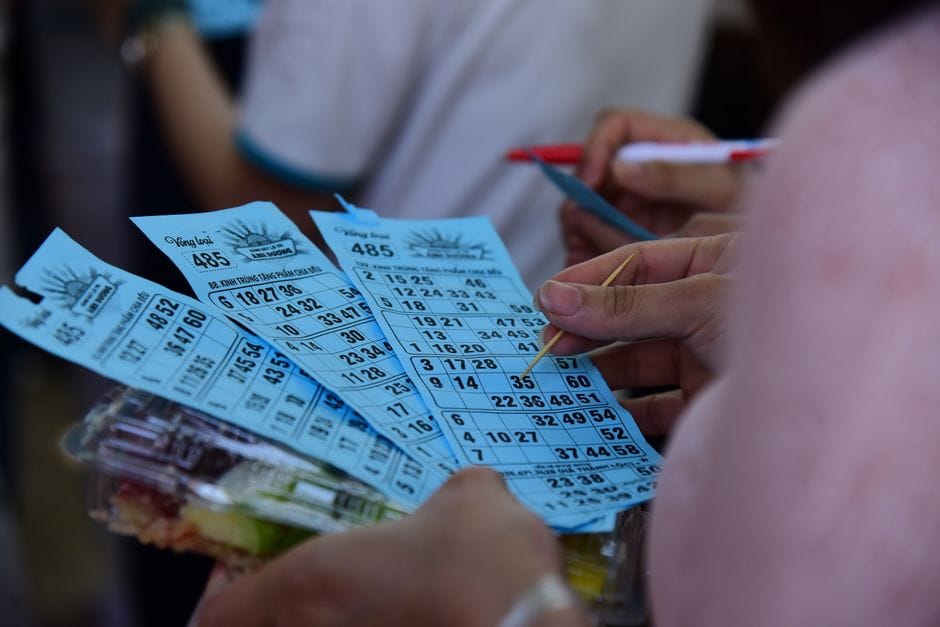
Scratch off odds are printed right on the back of every ticket you buy, and the number is real — but it does not mean what most people assume. When a Texas Lottery game like “5 Times Lucky” lists overall odds of 1 in 4.54, that figure was locked in before the first ticket was ever printed, and it counts a $2 win exactly the same as a $2 million win.
- What scratch off odds actually mean
- The printed number never changes, and lotteries say so
- Real published numbers on real games
- Why pricier tickets usually show better scratch off odds
- What “prizes remaining” pages tell you — and what they don’t
- The prizes nobody ever collects
- Frequently Asked Questions
Here are the current, verifiable numbers. Published overall odds on real US games right now range from roughly 1 in 2.93 on the North Carolina Education Lottery’s “200X The Cash” to 1 in 9.43 on the Texas Lottery’s “$50, $100, or $500” game. Those are the odds of winning anything at all — including getting your ticket price back.
The gap between that printed number and your actual chance at a life-changing prize is where nearly all the confusion lives. This piece walks through how the number is built, why it never changes, and what state lotteries themselves publish about it.
What scratch off odds actually mean
The Pennsylvania Lottery states it plainly on its own chances-of-winning page: overall chances are calculated by dividing the total number of tickets in a game by the total number of prizes in that game. That is the whole formula. Ten million tickets with 2.4 million winning tickets produces overall odds of about 1 in 4.17.
Notice what that formula ignores. It does not weight prizes by size. A ticket that pays back your $2 counts as one prize. So does the single ticket paying $1 million. Both land in the same numerator.
This is why scratch off odds are best read as a measure of how often something happens, not how often something good happens. In most games, the overwhelming majority of winning tickets pay the minimum prize — often the ticket price itself or a small multiple of it.
The printed number never changes, and lotteries say so
The Pennsylvania Lottery is explicit that published game odds apply to the entire game overall, and that you have the same chance of winning when a game first launches as you do near the end of its life cycle — and the same chance buying the first ticket in a pack or the last one.
That is a direct contradiction of the most common piece of scratch-off folklore. There is no “due” pack. Lottery agencies including the Louisiana Lottery Corporation and the Ohio Lottery describe winning tickets as randomly distributed throughout the print run, meaning neither the lottery nor the retailer knows where winners will land.
So the scratch off odds on the back of the ticket are a property of the print run, not of the store, the day, or your streak. The number printed there is a fixed ratio from a fixed inventory of tickets and prizes.
Real published numbers on real games
These are figures published by the state lotteries that run each game. Odds shown are overall odds of winning any prize, including the smallest.
| Game | Lottery | Ticket price | Overall odds (any prize) |
| 200X The Cash | NC Education Lottery | — | 1 in 2.93 |
| 200X the Cash | Maryland Lottery | $30 (top prize $2,000,000) | — |
| 5 Times Lucky | NC Education Lottery | $5 | 1 in 4.28 |
| 5 Times Lucky | Texas Lottery | — | 1 in 4.54 |
| $50, $100, or $500 | Texas Lottery | — | 1 in 9.43 |
Two things jump out. First, the same game name can carry different scratch off odds in different states, because each lottery orders its own print run with its own prize structure. Second, the spread between the best and worst overall odds above is more than three to one.
Why pricier tickets usually show better scratch off odds
Higher-priced games generally print with a larger share of winning tickets, which is why a $20 or $30 game often lists overall odds near 1 in 3 while cheaper games sit closer to 1 in 4 or worse. More money per ticket funds a bigger prize pool, both in small payouts and in headline prizes.
That is a genuine difference, but it is not free. Better scratch off odds on a $30 ticket come with a $30 cost per attempt. The return-per-dollar picture depends on the full prize structure, not the overall odds line alone.
Payout rates are set by policy, and they move. Louisiana legislative documents describe the state phasing in an increase to the average prize percentage on instant ticket games from 63% to 70% over five years — a reminder that these ratios are decisions, not constants.
What “prizes remaining” pages tell you — and what they don’t
Most state lotteries publish live prize-remaining data. The North Carolina Education Lottery updates its scratch-off prizes remaining page daily, showing prizes not yet claimed as of a specific date. The Pennsylvania Lottery notes its wins-remaining counts update as claims are received and processed.
📨 Get Free Sweepstakes Alerts
Free · No spam · Unsubscribe anytime
Those pages are genuinely useful for one narrow purpose: confirming whether a top prize still exists in a game before you buy it. If every top prize is gone, that game’s remaining scratch off odds no longer include the headline number on the front of the ticket.
What they cannot tell you is how many losing tickets are left, or where the winners sit. The printed scratch off odds also do not update to reflect claims. As of late August 2026, the Pennsylvania Lottery listed a combined top-six-prize total of $778,371,203 still outstanding across its scratch-off games.
The prizes nobody ever collects
Here is a genuinely surprising piece of the system: a meaningful share of won prizes is never claimed. NJ 1015 reported in January 2025 that New Jersey had roughly $4.9 million in unclaimed prizes across 54 scratch-off games that had stopped selling but were still redeemable, with many claim windows closing that month.
Part of the reason is structural. Scratch-off tickets generally carry no printed expiration date, because the claim deadline is tied to when the game officially ends — a date not known when the tickets are printed. Each state sets its own claim window and publishes it.
Prizes are taxable income. The IRS requires payers to withhold a flat 24% on certain gambling proceeds over $5,000 under IRC section 3402(q), and reporting rules for Form W-2G have their own separate thresholds. Anyone with a real prize should check IRS.gov or a qualified tax professional for how it applies to them.
Frequently Asked Questions
Do scratch off odds get better late in a game?
No. The Pennsylvania Lottery states you have the same chance of winning when a game launches as near the end of its life cycle. The printed ratio describes the whole print run and never changes. Only the specific prizes still available change, which is what prize-remaining pages track.
Does “1 in 4” mean every fourth ticket wins?
No, and lotteries say so directly. Published odds apply to the game overall, not to any pack or roll. Winning tickets are randomly distributed, so you can buy four in a row and win nothing, or win twice.
Are more expensive tickets a better deal?
They usually carry better overall odds — around 1 in 3 versus 1 in 4 or worse on cheap games — but each attempt costs more. Whether that is a better deal depends on the full prize structure, not the overall odds figure alone.
Where can I check odds for a game in my state?
Go to your own state lottery’s official site. Texas, North Carolina, Pennsylvania, Maryland, California, Ohio and Washington all publish per-game odds and prizes-remaining data directly, and those pages are the authoritative source for the game you’re holding.
Want to put this knowledge to work?
Know the Rules Where You Live
Sweepstakes and prize rules change from state to state — what a sponsor can offer, how prizes are handled, and what protections you have. Pick your state to see the exact rules that apply where you live.
See Sweepstakes Laws in All 50 States →
Sources & How to Verify
The facts on this page are drawn from official government and primary sources. Rules and figures change, so always confirm the current details with the official agency or the promotion’s own published rules.
- FTC Consumer Advice: consumer.ftc.gov — prize, sweepstakes, and lottery scam guidance
- IRS: irs.gov — how prizes and winnings are treated as income
- Social Security Administration: ssa.gov — what SSI recipients must report
- The promotion’s official rules: every legitimate sweepstakes publishes them — the rules page is always the final word
Content last reviewed August 2026. If you notice outdated information, please contact us.
You May Also Like
Related Guides
- Sweepstakes Laws by State (50-State Guide)
- More in This Category
- Sweepstakes Resources
- Scam Checks
- Sweepstakes Tax Calculator
- All Active Sweepstakes
Informational only — not legal, tax, or financial advice. Win Big Daily is an independent educational resource. Prize rules, tax treatment, and benefit-program requirements vary by state and program and change over time, so always verify the current details with the official agency, the promotion’s published rules, or a qualified professional before acting. If a topic involves government benefits, contact the program office about your specific situation.