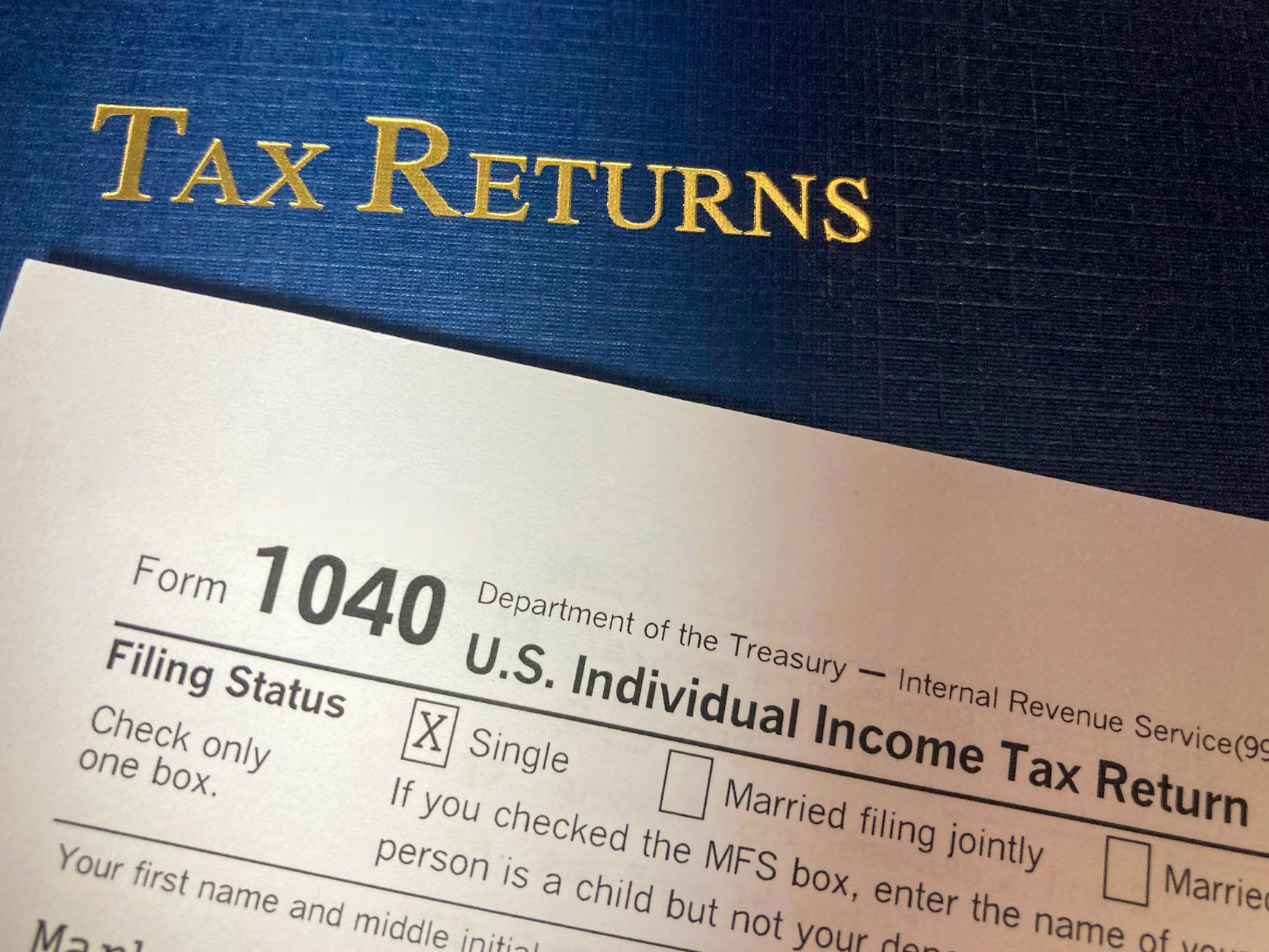
Sweepstakes 1099 form requirements catch many winners off guard. You enter a contest, win a prize, and then the tax paperwork arrives. The IRS treats all prizes as taxable income. That includes cash, cars, vacations, and gift cards. In 2026, a major change took effect.
The reporting threshold for Form 1099-MISC rose from $600 to $2,000 under the One Big Beautiful Bill Act. But here is the critical point most winners miss. You owe taxes on every prize you win, even if no form is issued. The sweepstakes 1099 form simply tells the IRS what the sponsor reported. Your tax obligation exists regardless. Understanding these rules can save you from penalties, surprise bills, and audit headaches.
What Is the Sweepstakes 1099 Form and When Is It Issued?
The sweepstakes 1099 form is IRS Form 1099-MISC. Sponsors use Box 3 of this form to report prize income. As of 2026, sponsors must issue a 1099-MISC when a winner receives $2,000 or more in prizes during a calendar year. Before this change, the threshold was just $600. The IRS Instructions for Form 1099-MISC outline these requirements in detail. Sponsors must send the form to both the winner and the IRS by January 31 of the following year.
A sweepstakes 1099 form differs from Form W-2G. The W-2G applies to gambling winnings from casinos, lotteries, and wagers. Sweepstakes and contests use the 1099-MISC instead. The distinction matters because the withholding rules differ. For gambling winnings over $5,000, sponsors must withhold 24% for federal taxes automatically. For sweepstakes prizes reported on a 1099-MISC, withholding is required on non-cash prizes but not always on cash awards under $5,000.
If you win a non-cash prize like a car or vacation, the sponsor reports its fair market value. Fair market value means the price a willing buyer would pay. Winners often face a tough choice. They must pay taxes on an item they may not have the cash to cover. Some winners decline prizes for this exact reason.
Sweepstakes 1099 Form: Tax Thresholds and Reporting Rules
The table below summarizes the key thresholds every sweepstakes winner should know in 2026.
| Situation | Form Issued | Threshold (2026) | Withholding Required? |
|---|---|---|---|
| Sweepstakes cash prize | 1099-MISC | $2,000+ | No (unless over $5,000) |
| Sweepstakes non-cash prize | 1099-MISC | $2,000+ | Yes — 24% of fair market value |
| Lottery or casino winnings | W-2G | $2,000+ (and 300x wager) | Yes — 24% if over $5,000 |
| Prize under $2,000 | None required | N/A | No |
| Multiple small prizes totaling $2,000+ | 1099-MISC | $2,000+ combined | Varies |
Even when no sweepstakes 1099 form is issued, you must report the income. The IRS requires all income to appear on your federal tax return. You report prize winnings on Schedule 1, Line 8b of Form 1040. Failing to report can trigger penalties and interest. The IRS Topic 419 page explains gambling and prize income rules clearly.
State taxes add another layer. Most states tax prize income at their standard income tax rate. A few states have no income tax at all. These include Florida, Texas, Wyoming, and Nevada. If you live in a high-tax state like California or New York, your total tax bill could reach 35% or more when combined with federal taxes. Always check your state’s rules after receiving a sweepstakes 1099 form.
How to Handle Your Sweepstakes 1099 Form: Actionable Steps
First, keep records of every prize you win during the year. Track the date, sponsor name, prize description, and estimated value. This protects you even if the sponsor fails to send a sweepstakes 1099 form. The FTC consumer protection guidelines also recommend documenting sweepstakes interactions to spot scams.
Second, set aside money for taxes immediately after winning. A common rule of thumb is to reserve 30% to 40% of the prize value. For a $10,000 cash prize, that means saving $3,000 to $4,000. For non-cash prizes, get an independent appraisal if the value seems inflated. You can sometimes negotiate fair market value with the sponsor. The amount on your sweepstakes 1099 form is not always final. You can report a different value on your return if you have documentation supporting a lower fair market value.
📨 Get Free Sweepstakes Alerts
Free · No spam · Unsubscribe anytime
Third, consider estimated tax payments. If your prize is large, waiting until April to pay could trigger underpayment penalties. The IRS expects quarterly estimated payments when you owe $1,000 or more beyond your withholding. Use IRS Form 1040-ES to calculate and submit these payments. A tax professional can help you navigate complex situations, especially when multiple sweepstakes 1099 form filings arrive in one year.
Frequently Asked Questions
Do I owe taxes on a sweepstakes prize if I never received a 1099 form?
Yes. The sweepstakes 1099 form is a reporting document, not a tax trigger. All prize income is taxable under federal law. If your prize was under $2,000, the sponsor may not have sent a form. You must still report the winnings on your tax return. The IRS can discover unreported income through audits and data matching.
Can I deduct expenses related to entering sweepstakes?
Generally, no. The IRS does not allow deductions for sweepstakes entry costs like stamps, internet fees, or travel. Gambling losses can offset gambling winnings, but sweepstakes are not classified as gambling for tax purposes. Your sweepstakes 1099 form income is reported as “other income,” and there is no corresponding deduction line for entry expenses.
What happens if the value on my sweepstakes 1099 form seems too high?
You can dispute the reported value. Get an independent appraisal for non-cash prizes. Report the corrected fair market value on your tax return and keep documentation. If the sponsor agrees, they can issue a corrected 1099-MISC. If they do not, attach a written explanation to your filing. The IRS will review both figures if questions arise during processing.
Enter More Sweepstakes
Ready to start entering? Browse our curated list of current legitimate sweepstakes with verified entry links.
Official Sources & Resources
- FTC (Federal Trade Commission): Prize Scam Awareness
- IRS (Prize Tax Reporting): IRS Topic 419 — Gambling Income
- FBI IC3 (Internet Crime): ic3.gov
- USA.gov — Scams: usa.gov/scams
Content last reviewed April 2026. If you notice any outdated information, please contact us.