When it comes to sweepstakes contests, knowing the right approach makes all the difference. Here at Win Big Daily, we focus on sweepstakes because they offer the best combination of free entry and real prizes. But if you have spent any time looking for ways to win free stuff online, you have probably run into three different terms that get used interchangeably: sweepstakes, contests, and lotteries. They are not the same thing, and understanding the differences can save you time, money, and even legal trouble.
Table of Contents
Each of these has different rules, different odds, and different strategies. Some are completely free. Some require skill. And some are actually illegal for private companies to run. Knowing which is which helps you focus your energy on the opportunities that give you the best chance of winning without any risk.
What Are Sweepstakes and Why Are They Free?
A sweepstakes is a promotional giveaway where winners are selected entirely by random chance. No purchase is required and no special skill is needed to enter. You submit your entry, and a random drawing determines who wins. That is it. The simplicity is what makes sweepstakes so popular with both brands and entrants.
Legally, sweepstakes must be free to enter. This is a critical distinction. If a company requires you to buy something to enter their sweepstakes, they are violating federal law. Most sweepstakes include an alternate method of entry, usually mailing in a postcard or filling out an online form, specifically to satisfy this legal requirement. The reason they have to be free is that charging for entry would make them an illegal lottery under US law.
Brands love sweepstakes because they generate massive engagement. When Coca-Cola runs a sweepstakes offering a trip to the Super Bowl, millions of people interact with the brand just to enter. It is one of the most cost-effective marketing strategies available, which is why major companies run them constantly. For you as an entrant, this means there is always a fresh supply of legitimate sweepstakes to enter every single day.
Your odds of winning a sweepstakes depend entirely on how many people enter. A national sweepstakes from a major brand might attract millions of entries, while a smaller regional sweepstakes might only get a few thousand. This is why experienced sweepers recommend entering a high volume of sweepstakes across all prize levels rather than focusing only on the biggest prizes.
What Is a Contest and How Is It Different?
A contest is a competition where winners are selected based on skill or merit, not random chance. Common examples include photo contests, essay contests, recipe contests, and video submission contests. Someone, either a panel of judges or the public through voting, evaluates the entries and chooses the best one.
Because contests require skill and effort, they have some key differences from sweepstakes. First, they often have fewer entries because people have to actually create something to participate. Writing an essay or taking a creative photo takes real effort, and most people will not bother. This means your odds can be significantly better if you are willing to put in the work.
Second, contests can legally require a purchase or entry fee because the winner is determined by skill, not chance. However, most legitimate marketing contests from major brands are still free to enter because the whole point is to attract as many participants as possible.
If you have a particular talent, whether that is writing, photography, cooking, or video production, contests can be an excellent way to win prizes. The competition is real, but the field is usually much smaller than a sweepstakes, and your outcome depends on your effort rather than pure luck.
What Makes a Lottery Different From Both?
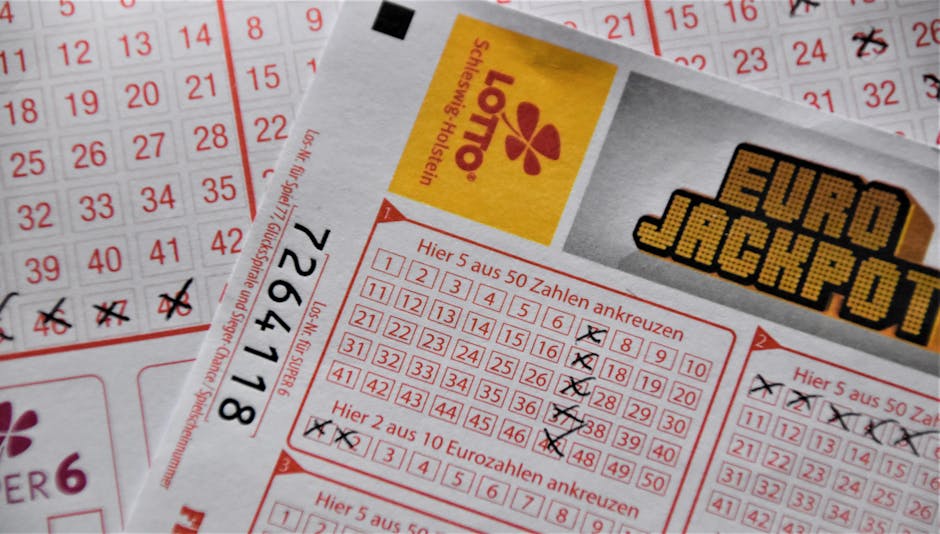
A lottery has three defining characteristics: you pay to enter, winners are selected by chance, and there is a prize. When all three elements are present, it is legally classified as a lottery. In the United States, only state-run organizations can operate lotteries. It is illegal for private companies to run their own lottery.
This is exactly why sweepstakes must be free to enter. If a company charges money for entry into a random drawing, they have created an illegal lottery. Some shady operators try to get around this by calling their scheme a sweepstakes while still requiring a purchase. If you ever encounter this, it is a red flag and you should avoid it entirely.
State lotteries like Powerball and Mega Millions are the most well-known examples. You buy a ticket, numbers are drawn at random, and if your numbers match, you win. The odds are astronomically low, typically one in several hundred million for the jackpot, but people play because the potential payout is life-changing.
The critical difference for your purposes is that lotteries cost money. Every ticket you buy is money spent with no guarantee of return. Sweepstakes, by contrast, are free. You can enter hundreds of sweepstakes without spending a dime, which makes them a fundamentally better proposition for anyone looking to win prizes.
Sweepstakes Contests Why This Matters for Your Strategy
Understanding these categories helps you make smarter decisions about where to spend your time. Here is the practical breakdown.
Sweepstakes are your bread and butter for winning free prizes. They cost nothing to enter, they are available in enormous quantities, and winning is simply a matter of volume and consistency. The more you enter, the more chances you create. Sites like Win Big Daily list verified sweepstakes daily so you always have a fresh pipeline.
Contests are worth entering if you have relevant skills. The smaller entry pools mean better odds, and putting in genuine effort can set you apart from the competition. Look for contests in areas where you have real talent or experience.
Lotteries should be treated as entertainment, not a strategy. The odds are terrible and every entry costs money. If you enjoy buying the occasional ticket, that is fine, but do not count on it as a path to winning prizes. Your time and energy are far better spent on free sweepstakes.
Common Scams That Blur the Lines
Scammers exploit the confusion between these categories to trick people. Here are the most common tactics to watch for.
A fake sweepstakes that requires payment. If someone says you have won a sweepstakes but need to pay a fee to claim your prize, it is a scam. Legitimate sweepstakes never charge winners to receive their prizes. Taxes may apply to large prizes, but those are paid to the IRS, not to the sweepstakes sponsor.
A contest with no clear judging criteria. If a contest claims to select winners based on merit but does not explain how entries will be evaluated, it may actually be a random drawing disguised as a contest. This matters because it could mean the organizer is running an illegal lottery.
A lottery disguised as a sweepstakes. Some operations require a purchase to enter but call themselves sweepstakes to appear legitimate. Remember the rule: if it requires payment and winners are chosen randomly, it is a lottery, and private lotteries are illegal.
The Bottom Line
Sweepstakes are free, random, and abundant. Contests require skill but often have better odds. Lotteries cost money and have terrible odds. For building a consistent winning strategy, sweepstakes should be your primary focus, supplemented by contests where you have a competitive advantage.
Ready to start entering? Check our full list of current sweepstakes and start building your winning habit today. Every entry is free, and every entry is another chance to win.
For more tips on staying safe with online promotions, check out the FTC guide to avoiding prize scams.