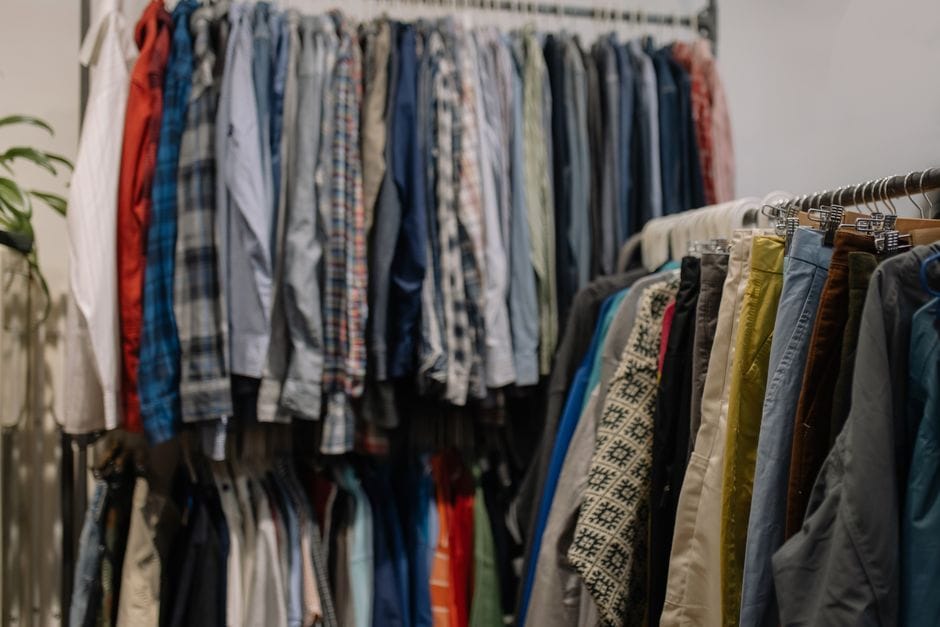
Thrift store finds can absolutely be worth real money — a $3 bowl from a New York yard sale sold at Sotheby’s in 2013 for $2,225,000, and a $4 flea market painting hid a 1776 Dunlap Broadside of the Declaration of Independence that later sold for $8.14 million. But the moment a bargain turns out to be valuable, two questions matter more than the price tag: do you actually own it, and what do you owe on it?
- Real Thrift Store Finds That Turned Into Serious Money
- Who Actually Owns Valuable Thrift Store Finds
- What the IRS Says About Thrift Store Finds and Found Property
- The 1099-K Question Almost Everyone Gets Backwards
- If You Receive Benefits, Reporting Rules Generally Apply
- What Most People Get Wrong About Thrift Store Finds
- Frequently Asked Questions
The short answer: in most cases you own what you bought fair and square, and the profit is generally taxable when you sell. The exception that trips people up is stolen property. Under long-standing commercial law reflected in UCC 2-403, a thief holds void title — meaning a thief can’t pass ownership to anyone, no matter how innocent the buyer was or how many hands the item passed through.
Below is how the real cases played out, what the IRS actually says about found property and collectibles, how ownership disputes get decided, and the steps that protect you before you list anything for sale. Nothing here is legal or tax advice — it’s a plain-English map of how the rules work so you know what questions to ask a professional.
Real Thrift Store Finds That Turned Into Serious Money
These aren’t internet legends. Each one has auction records or major news reporting behind it. Notice how wide the range is — most valuable finds land in the hundreds or low thousands, not the millions.
| Item | Paid | Sold for | Source |
| Dunlap Broadside, Declaration of Independence, behind a painting (PA flea market, 1989) | $4 | $2.42M (Sotheby’s, 1991); $8.14M (2000, buyer group led by Norman Lear) | Sotheby’s / news reporting |
| Lost Third Imperial Fabergé Egg, Midwest flea market | ~$14,000 | Valued in the tens of millions; authenticated by Wartski, 2014 | CNN, CBS News |
| Northern Song “Ding” bowl, New York yard sale (2007) | ~$3 | $2,225,000 (Sotheby’s, March 2013) | Sotheby’s sale record |
| Johann Berthelsen painting, Dayton, Ohio Goodwill | $2.99 | $2,875 at auction (2025) | UPI, local news |
| Renoir, “Paysage Bords de Seine,” Harpers Ferry flea market | $7 | $0 — court ordered it returned to the Baltimore Museum of Art | U.S. District Court, E.D. Va., 2014 |
That last row is the one worth reading twice. It’s the difference between a windfall and a lawsuit.
Who Actually Owns Valuable Thrift Store Finds
The Renoir case is the clearest legal lesson in this whole category. A Virginia buyer said she paid $7 for a small Renoir landscape at a flea market in 2009. The painting had been loaned to the Baltimore Museum of Art in 1937 and reported stolen in 1951.
In January 2014, U.S. District Judge Leonie Brinkema granted summary judgment for the museum, citing evidence including the 1951 police report and the original donor’s will. The painting went back on public display more than 62 years after the theft. The buyer’s good faith didn’t change the outcome — because the item had been stolen, no valid ownership ever transferred down the chain.
Practical takeaway: before you sell anything unusual, check the free Art Loss Register-style and law-enforcement stolen-property databases, including the FBI’s National Stolen Art File, and tell any auction house exactly where and when you bought it. Keep the receipt, even the $2.99 one.
Rules on lost-versus-abandoned property, finder’s rights, and how long an original owner has to sue vary significantly by state. Don’t assume a figure you read online applies where you live — check your state attorney general’s consumer pages or ask a licensed attorney in your state.
What the IRS Says About Thrift Store Finds and Found Property
Two different tax situations get confused constantly, and they’re not the same.
Found property. IRS Publication 525 states that if you find and keep property that doesn’t belong to you and has been lost or abandoned — treasure trove — it is taxable to you at its fair market value in the first year it is your undisputed possession. That’s cash in a coat pocket or a stash in a wall, not something you bought.
Something you bought and resold. This is what most thrift store finds are. You paid a price, so you have a cost basis, and the gain is generally the sale price minus what you paid and your selling costs.
If the item is a collectible — the IRS category includes works of art, antiques, gems, stamps, coins, and certain other tangible personal property — and you held it more than one year, IRS Topic No. 409 says net capital gain from collectibles is taxed at a maximum rate of 28%. Held one year or less, the gain is generally taxed as ordinary income at your marginal rate.
If reselling is a casual hobby rather than a business, the IRS directs hobby income to Schedule 1, Form 1040, line 8, and hobby expenses generally can’t be deducted beyond hobby income under current law. Whether you’re a hobby or a business turns on the nine-factor profit-motive test in the Section 183 regulations — talk to a tax professional about which side you’re on.
The 1099-K Question Almost Everyone Gets Backwards
After the One Big Beautiful Bill Act of 2025, the federal Form 1099-K reporting threshold returned to more than $20,000 in payments and more than 200 transactions, reversing the planned $600 threshold from the 2021 American Rescue Plan Act.
📨 Get Free Sweepstakes Alerts
Free · No spam · Unsubscribe anytime
Here’s the part people misread: that threshold controls when a payment platform must send you and the IRS a form. It does not control what’s taxable. Income is reportable whether or not a form shows up. Some states also set lower reporting thresholds than the federal one, so check your state’s department of revenue rather than assuming the federal number applies.
If You Receive Benefits, Reporting Rules Generally Apply
A sudden lump sum can interact with need-based programs — SSI, SNAP, Medicaid, Section 8 — and reporting requirements generally apply. What happens next depends entirely on the program and your specific situation, so nobody online can tell you the outcome.
SSA guidance is specific on timing: report changes in income by the 10th day of the month following the month the change happened. For SSI, countable resources over $2,000 for an individual or $3,000 for a couple must be reported. SNAP and Medicaid reporting rules are administered by your state agency and vary considerably — check with your caseworker or your state’s benefits office.
SSDI and Social Security retirement work differently from SSI, since they aren’t need-based in the same way. Call SSA at 1-800-772-1213 or use your my Social Security account rather than guessing.
What Most People Get Wrong About Thrift Store Finds
- Cleaning it first. Polishing silver, revarnishing a painting, or scrubbing patina off bronze can cut value dramatically. Leave it alone until an expert sees it.
- Trusting an app’s price estimate. Sold listings tell you more than asking prices, and neither substitutes for a specialist opinion on an unusual piece.
- Assuming the free appraisal is neutral. A buyer who offers to appraise and then purchase has an obvious conflict. The FTC’s consumer guidance on avoiding scams applies here: be wary of anyone pressuring you to decide fast.
- Thinking no 1099-K means no tax. Covered above — it doesn’t work that way.
- Ignoring provenance. The Renoir buyer lost everything because of a 1951 police report she never knew existed.
- Expecting the store to want it back. A completed sale is generally final either way; the outcome depends on state law and the store’s own policy.
Frequently Asked Questions
Can a thrift store demand a valuable item back after I buy it?
Generally, a completed retail sale transfers ownership, and most donated goods were legally the store’s to sell. It varies by state and by the store’s stated policy. If the item turns out to have been stolen before donation, the original owner’s claim can still be valid.
Do I owe tax on thrift store finds I keep and never sell?
Buying something cheap generally isn’t a taxable event — the tax question typically arises when you sell. Found property is different: Publication 525 treats treasure trove as taxable at fair market value in the first year of undisputed possession. Ask a tax professional about your facts.
How do I get an item authenticated without getting taken?
Start with a major auction house’s free preliminary evaluation, or an appraiser credentialed by a recognized professional body. Get the opinion in writing, and keep authentication separate from anyone who wants to buy the piece.
Will selling thrift store finds affect my benefits?
It might, and reporting requirements generally apply — but the result depends on the program, the amount, and your circumstances. Report the change to SSA within the deadline above, and contact your state agency for SNAP, Medicaid, or housing assistance.
Want to put this knowledge to work?
Know the Rules Where You Live
Sweepstakes and prize rules change from state to state — what a sponsor can offer, how prizes are handled, and what protections you have. Pick your state to see the exact rules that apply where you live.
See Sweepstakes Laws in All 50 States →
Sources & How to Verify
The facts on this page are drawn from official government and primary sources. Rules and figures change, so always confirm the current details with the official agency or the promotion’s own published rules.
- FTC Consumer Advice: consumer.ftc.gov — prize, sweepstakes, and lottery scam guidance
- IRS: irs.gov — how prizes and winnings are treated as income
- Social Security Administration: ssa.gov — what SSI recipients must report
- The promotion’s official rules: every legitimate sweepstakes publishes them — the rules page is always the final word
Content last reviewed August 2026. If you notice outdated information, please contact us.
You May Also Like
Related Guides
- Sweepstakes Laws by State (50-State Guide)
- More in This Category
- Sweepstakes Resources
- Scam Checks
- Sweepstakes Tax Calculator
- All Active Sweepstakes
Informational only — not legal, tax, or financial advice. Win Big Daily is an independent educational resource. Prize rules, tax treatment, and benefit-program requirements vary by state and program and change over time, so always verify the current details with the official agency, the promotion’s published rules, or a qualified professional before acting. If a topic involves government benefits, contact the program office about your specific situation.