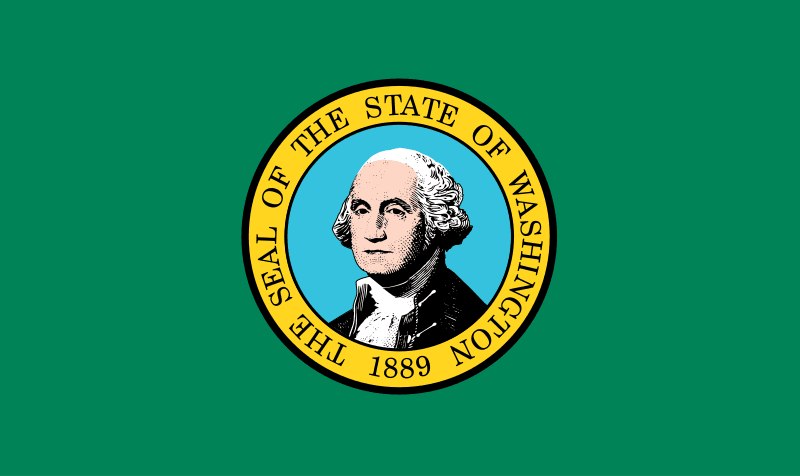
Washington sweepstakes laws govern how promotional giveaways operate within the state. Washington takes a notably strict approach to gambling-related activities. However, traditional sweepstakes promotions remain legal when properly structured. The state regulates sweepstakes primarily through two statutes. RCW Chapter 19.170 covers promotional advertising of prizes. Table of Contents
wa.gov/rcw/default.aspx?cite=9.46″>RCW Chapter 9.46 addresses gambling more broadly. Washington sweepstakes laws require that legitimate promotions never require a purchase to enter. The Washington Attorney General’s Consumer Protection Division actively enforces these rules. Residents should understand that Washington has no state income tax. As a result, sweepstakes winners keep more of their prizes here than in most other states. Understanding these regulations protects both sponsors and participants.
Washington Sweepstakes Registration and Bonding Requirements
Washington does not require sweepstakes sponsors to register promotions with the state. There is no mandatory bonding requirement for running a sweepstakes either. This makes Washington less burdensome than states like New York, Florida, or Rhode Island. However, sponsors must still comply with all applicable federal and state consumer protection laws. The Federal Trade Commission guidelines apply to any promotion reaching Washington residents.
Washington sweepstakes laws do impose specific disclosure obligations under RCW 19.170. If a sponsor sends promotional materials claiming someone has won a prize, strict rules kick in. The sponsor must identify their name and address clearly. They must state the verifiable retail value of each prize. If chance is involved, the odds must appear in Arabic numerals in ratio form. These requirements apply to direct mail, printed advertisements, and similar promotional materials.
Additionally, RCW 9.46.0356 authorizes promotional contests of chance. This statute permits businesses to run sweepstakes-style promotions. However, it requires that no purchase be necessary to participate. Sponsors must follow both state and federal rules to stay compliant.
Washington Sweepstakes Laws: Prize Disclosure and Tax Rules
Washington sweepstakes laws require clear prize disclosure in all promotional materials. Under RCW 19.170, sponsors must list every prize and its retail value. Odds of winning must be prominently displayed. These disclosures must appear in type at least as large as the standard text. Failing to include proper disclosures constitutes a deceptive trade practice. For example, a mailer claiming “You’ve won!” must clearly explain any conditions attached to claiming the prize.
Washington has no state income tax. This is a major advantage for sweepstakes winners. However, federal tax obligations still apply. The IRS requires sponsors to issue a Form W-2G or 1099-MISC for prizes valued at $600 or more. For cash prizes exceeding $5,000, sponsors must withhold 24% for federal taxes. Winners must report all prizes on their federal tax return regardless of value. In most cases, non-cash prizes are taxed based on their fair market value.
| Regulation | Washington Requirement |
|---|---|
| Sweepstakes Registration | Not required |
| Bonding Requirement | Not required |
| Governing Statutes | RCW 19.170, RCW 9.46, RCW 19.86 |
| Prize Disclosure | Required — retail value and odds in writing |
| State Income Tax on Winnings | None (no state income tax) |
| Federal Tax Withholding | 24% on cash prizes over $5,000 |
| 1099 Reporting Threshold | $600 (federal requirement) |
| Minimum Age to Enter | 18 years old |
| No-Purchase-Necessary | Strictly required |
| Cannabis as Prize | Prohibited |
| Enforcement Agency | WA Attorney General + WA Gambling Commission |
Consumer Protection in Washington
The Washington Attorney General’s Office aggressively protects consumers from sweepstakes fraud. The Consumer Protection Division handles thousands of complaints each year. As a result, it helps return over $4 million annually to Washington consumers. Washington sweepstakes laws are enforced under the Consumer Protection Act, RCW Chapter 19.86. Violations can result in civil penalties of up to $7,500 per offense.
A violation of RCW 19.170 is automatically considered an unfair or deceptive trade practice. This means the full weight of the Consumer Protection Act applies. The Attorney General can seek injunctive relief, restitution, and penalties. For example, in March 2026, the Washington AG sued an online betting platform for violating state gambling and consumer protection laws. This demonstrates Washington’s willingness to take aggressive enforcement action.
To report a suspicious sweepstakes in Washington, residents can file a complaint with the Attorney General. Complaints can also be filed with the Washington State Gambling Commission and the FTC. Typically, complaint data helps investigators identify patterns of illegal activity that warrant formal enforcement.
No-Purchase-Necessary Rules in Washington
Washington sweepstakes laws strictly require that no purchase be necessary to enter or win. This is the fundamental distinction between a legal sweepstakes and illegal gambling. Under Washington law, requiring payment to enter a chance-based promotion constitutes illegal gambling. RCW 9.46.240 makes transmitting gambling information online a Class C felony. The Washington State Gambling Commission has confirmed that sweepstakes casinos violate this provision.
A legitimate sweepstakes must offer a free alternative method of entry (AMOE). Typically, this means providing a mail-in entry option or online form. The AMOE must offer the same odds of winning as any paid entry path. Washington sweepstakes laws do not consider the following as purchase consideration: filling out an entry form, completing a survey, making a phone call, or visiting a retail location. However, requiring any monetary payment crosses the line into illegal gambling territory.
📨 Get Free Sweepstakes Alerts
Free · No spam · Unsubscribe anytime
Sponsors should clearly display the free entry method in all promotional materials. Washington sweepstakes laws demand that the AMOE be equally prominent. Burying free entry details in fine print can trigger enforcement action. In most cases, placing the AMOE information near the top of official rules satisfies this requirement.
Running a Sweepstakes in Washington: Compliance Checklist
Sponsors targeting Washington residents should follow these compliance steps. First, draft complete official rules that include all required disclosures. Washington sweepstakes laws under RCW 19.170 require prize values, odds, sponsor identity, and entry deadlines. Second, ensure a genuine no-purchase-necessary entry method exists. The free entry path must be clearly communicated and equally accessible.
Third, verify that all promotional materials comply with Washington’s disclosure formatting rules. Disclosures must appear in type at least as large as standard text. Fourth, never claim a participant has “won” unless the prize will actually be awarded. Washington sweepstakes laws specifically prohibit misleading winner notifications. Fifth, prepare proper tax documentation. While Washington has no state income tax, sponsors must issue federal 1099 forms for prizes worth $600 or more.
Finally, avoid offering cannabis or cannabis-containing products as prizes. Washington prohibits this regardless of the state’s recreational marijuana laws. Sponsors should also ensure participants are at least 18 years old. Keeping detailed records of entries, winners, and prize fulfillment provides protection if questions arise. Consult with a promotion law attorney for complex campaigns targeting multiple states.
Frequently Asked Questions
Are sweepstakes legal in Washington state?
Yes, traditional sweepstakes are legal in Washington when no purchase is required to enter. However, Washington sweepstakes laws are among the strictest in the country regarding online gambling-style promotions. Sweepstakes casinos are explicitly banned under state law.
Do I have to pay taxes on sweepstakes winnings in Washington?
Washington has no state income tax, so you owe nothing to the state. However, all sweepstakes winnings are subject to federal income tax. Prizes over $5,000 in cash will have 24% withheld automatically for federal taxes.
How do I report a sweepstakes scam in Washington?
File a complaint with the Washington Attorney General’s Office online or by phone. You can also report scams to the Washington State Gambling Commission and the FTC. Washington sweepstakes laws provide strong consumer protections, and complaints help investigators identify fraudulent operations.
Enter More Sweepstakes
Ready to start entering? Browse our curated list of current legitimate sweepstakes with verified entry links.
Official Sources & Resources
- FTC (Federal Trade Commission): Prize Scam Awareness
- IRS (Prize Tax Reporting): IRS Topic 419 — Gambling Income
- FBI IC3 (Internet Crime): ic3.gov
- USA.gov — Scams: usa.gov/scams
Content last reviewed April 2026. If you notice any outdated information, please contact us.
You May Also Like
Related Guides
- Browse All Sweepstakes
- Sweepstakes Laws by State
- All Sweepstakes Resources
- State Law Guides
- Sweepstakes Resources