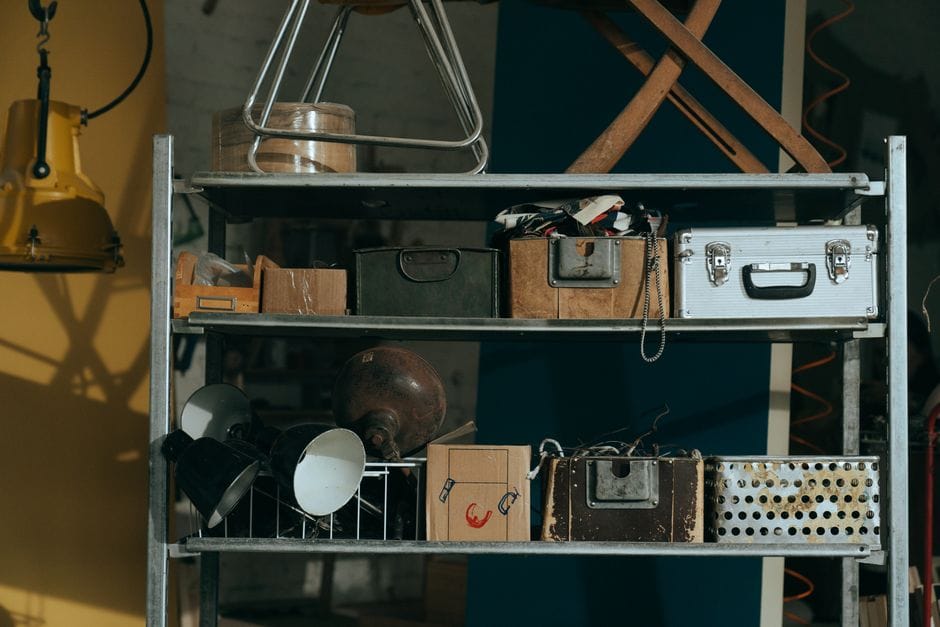
Storage unit finds legally belong to the winning bidder in almost every case — once a lien sale is properly conducted and you pay, the contents of that unit are yours. That is the whole point of self-storage lien statutes. They let a facility sell a defaulted tenant’s property to recover unpaid rent, and they hand clean title to the buyer.
- How a Unit Gets to Auction Before You Ever Bid
- What Storage Unit Finds Legally Belong to You
- Personal Papers, Photos, and IDs Inside Storage Unit Finds
- Categories That Carry Extra Rules
- Taxes on Storage Unit Finds
- What Most People Get Wrong
- How Storage Unit Finds Rules Vary by State
- Frequently Asked Questions
California’s storage lien law states it plainly: a purchaser in good faith of goods sold to enforce a lien “takes the goods free of any rights of persons against whom the lien was claimed,” even if the facility messed up part of the process (California Business and Professions Code Section 21707). Most states model their statutes on the same framework. Your ownership does not depend on the former tenant’s approval.
But “you own it” is not the same as “you can do anything with it.” A handful of categories — firearms, titled vehicles, personal identity documents — carry separate rules that have nothing to do with who won the auction. Here is how it actually works, step by step.
How a Unit Gets to Auction Before You Ever Bid
A facility cannot sell your neighbor’s stuff on a whim. The tenant has to default, and the operator has to follow a notice sequence spelled out in state law.
In California, the process starts once rent is unpaid for 14 consecutive days, at which point the operator may send a preliminary lien notice by certified mail. In Texas, under Property Code Chapter 59, the lessor delivers written notice of the claim, and if the tenant does not pay by the 15th day after delivery, the lessor may advertise the sale.
Advertising rules are similarly specific. Both states generally require publication once a week for two consecutive weeks in a newspaper of general circulation, with posting alternatives when no such paper exists. Texas allows a sale after the 10th day when notice is by posting.
The practical takeaway: the tenant had weeks of warning and could have paid up to the day of the sale. Storage unit finds are not a surprise seizure — they are the end of a documented process.
What Storage Unit Finds Legally Belong to You
Ordinary contents transfer completely. Furniture, tools, electronics, collectibles, clothing, sports equipment, sealed boxes of who-knows-what — all yours to keep, use, donate, or resell.
Two things commonly confuse new buyers. First, surplus money does not belong to you. If the unit sells for more than the debt plus sale costs, the operator holds the excess for the former tenant; California requires it be held on the occupant’s behalf for one year. You paid your bid, and that is the end of your side of it.
Second, the good-faith purchaser protection is strong but not magic. It shields you from the former tenant’s ownership claims. It does not override federal firearms law, state vehicle titling law, or anything else that regulates a specific category of property regardless of how you acquired it.
Personal Papers, Photos, and IDs Inside Storage Unit Finds
This is the most misunderstood corner of the hobby. There is a persistent belief that state law forces the buyer to hand back photos, tax records, and passports. In most states, that is not what the statutes say. Self-Service Storage Facility Acts regulate the lien, the notices, and the operator’s right to sell — they generally do not govern what a buyer does after the gavel falls.
What does bind you is your contract. Many storage companies write a return-personal-items clause into the auction terms: bring photos, financial records, and identity documents back to the office within a set window (30 days is a common figure), and the former tenant can collect them. Agreeing to that at registration makes it enforceable as a contract term, not as a statute.
A few states do address personal papers directly, but usually by placing a duty on the operator before the sale rather than on the buyer after it. Washington is one example. Read the auction terms you sign, and ask the manager what their policy is.
On disposal: the FTC’s Disposal Rule (16 CFR Part 682) requires anyone who possesses consumer report information for a business purpose to properly dispose of it — burning, pulverizing, shredding, or hiring a destruction contractor so the information cannot be reconstructed. If you resell as a business, treat that as your floor. Even if you are a hobbyist, shredding beats curbside recycling. If you believe someone’s identity data has been exposed, the FTC’s official reporting site is IdentityTheft.gov.
Categories That Carry Extra Rules
Some items require a phone call before anything else. This table covers the ones that come up most often.
| What you found | Do you own it? | What typically happens next |
|---|---|---|
| Furniture, tools, electronics, collectibles | Yes | Keep or resell freely |
| Cash, gold, jewelry, bullion | Yes | Yours; see the tax section below |
| Firearms | Possession is restricted | Turn over to local law enforcement or a Federal Firearms Licensee and get a receipt. Many facilities pull guns from units before the sale. ATF’s Federal Firearms Licensing Center: 1-866-662-2750 |
| Cars, boats, trailers, motorcycles | Contents yes, title separate | Titled vehicles follow a separate notice track — Texas requires notice to the last known owner and recorded lienholders. Retitling runs through your state DMV |
| Photos, IDs, tax and medical records | Usually yes by statute | Return per auction terms; otherwise destroy securely under the FTC Disposal Rule standard |
| Drugs, explosives, apparent evidence, human remains | No | Stop and call local law enforcement |
Antique firearms are a narrow exception: under federal law, a gun with a frame or receiver made before January 1, 1899 is not a “firearm,” so federal licensed-dealer requirements do not apply to it. State law may still differ, so verify locally.
Taxes on Storage Unit Finds
Nobody enjoys this part, but skipping it causes real problems. Under IRS rules, found property that has been lost or abandoned — “treasure trove” — is taxable at its fair market value in the first year it is in your undisputed possession. IRS Publication 525 covers this directly, and the principle traces to Internal Revenue Code Section 61, which defines gross income as income from whatever source derived.
Reselling is separate. Profit from flipping storage unit finds is generally income, and if you buy units regularly with a profit motive, the IRS looks at that as a business rather than a hobby.
Whether you receive a Form 1099-K is not the test for whether income is reportable — under the One Big Beautiful Bill Act, the 1099-K threshold reverted to more than $20,000 in gross payments and more than 200 transactions, so most small resellers will get no form at all and still owe on their profit.
📨 Get Free Sweepstakes Alerts
Free · No spam · Unsubscribe anytime
Keep receipts for every unit you buy. Your purchase price is the starting point for figuring gain, and reconstructing it later from memory is miserable. A tax professional can tell you how these rules apply to your specific situation.
What Most People Get Wrong
“The former tenant can sue me and take it back.” Good-faith purchaser protection exists specifically to prevent that. In California it applies even where the operator failed some procedural requirement. Your risk is far lower than the internet suggests.
“State law makes me return the photos.” Usually it is the auction contract, not the statute. Both are binding — but knowing which one applies tells you where to look.
“Storage unit finds are free money.” Reality shows compress months into an hour. Most units are ordinary household goods, and you inherit the cleanout, the dump fees, and the deadline to empty the space.
“Cash I find isn’t reported income.” The IRS treats treasure trove as taxable at fair market value the year you take undisputed possession.
“I can sell the guns I found.” Selling firearms without a license can be a federal crime. Hand them off and get a receipt.
How Storage Unit Finds Rules Vary by State
Every figure above comes from a named source, and the ones tied to California or Texas apply to those states. Notice periods, advertising requirements, surplus-proceeds handling, vehicle procedures, and personal-papers duties all vary meaningfully from state to state. Do not assume a number you read in a national article applies where you bid.
To check your own state, do three things:
- Search your state’s official legislature or statute site for “self-service storage facility lien.” That is the governing chapter, and it is free to read.
- Read the auction terms before you register — they carry the return-of-personal-items policy and the cleanout deadline.
- For firearms, call ATF or a local FFL. For titled vehicles, call your state DMV or motor vehicle agency. Both give answers over the phone.
When a rule seems ambiguous and real money is involved, a local attorney is worth an hour’s fee. This article explains how the framework works; it is not legal or tax advice for your situation.
Frequently Asked Questions
Can the former tenant get their belongings back after the auction?
Generally no. Tenants can typically pay the debt and stop the sale up to the day of the auction, but once it closes, the goods are the buyer’s. California’s statute protects a good-faith purchaser even when the operator did not fully comply with the chapter.
Do I have to return photos and personal documents I find?
It depends on the auction contract more than the statute. Many operators require you to bring personal papers back to the office so the former tenant can claim them, often within about 30 days. A few states impose duties on the facility instead. Check both.
What if I find a gun in a unit I bought?
Do not sell it. Turn it over to local law enforcement or a Federal Firearms Licensee and get a written receipt. ATF’s Federal Firearms Licensing Center can answer questions at 1-866-662-2750. Firearms made before January 1, 1899 fall outside the federal definition of a firearm.
Do I owe taxes on cash or valuables I discover?
IRS Publication 525 says found lost or abandoned property is taxable at fair market value in the first year you have undisputed possession, and resale profit is separately reportable. You may owe tax even without receiving a Form 1099-K. Ask a tax professional about your specific case.
Want to put this knowledge to work?
Know the Rules Where You Live
Sweepstakes and prize rules change from state to state — what a sponsor can offer, how prizes are handled, and what protections you have. Pick your state to see the exact rules that apply where you live.
See Sweepstakes Laws in All 50 States →
Sources & How to Verify
The facts on this page are drawn from official government and primary sources. Rules and figures change, so always confirm the current details with the official agency or the promotion’s own published rules.
- FTC Consumer Advice: consumer.ftc.gov — prize, sweepstakes, and lottery scam guidance
- IRS: irs.gov — how prizes and winnings are treated as income
- Social Security Administration: ssa.gov — what SSI recipients must report
- The promotion’s official rules: every legitimate sweepstakes publishes them — the rules page is always the final word
Content last reviewed August 2026. If you notice outdated information, please contact us.
You May Also Like
Related Guides
- Sweepstakes Laws by State (50-State Guide)
- More in This Category
- Sweepstakes Resources
- Scam Checks
- Sweepstakes Tax Calculator
- All Active Sweepstakes
Informational only — not legal, tax, or financial advice. Win Big Daily is an independent educational resource. Prize rules, tax treatment, and benefit-program requirements vary by state and program and change over time, so always verify the current details with the official agency, the promotion’s published rules, or a qualified professional before acting. If a topic involves government benefits, contact the program office about your specific situation.