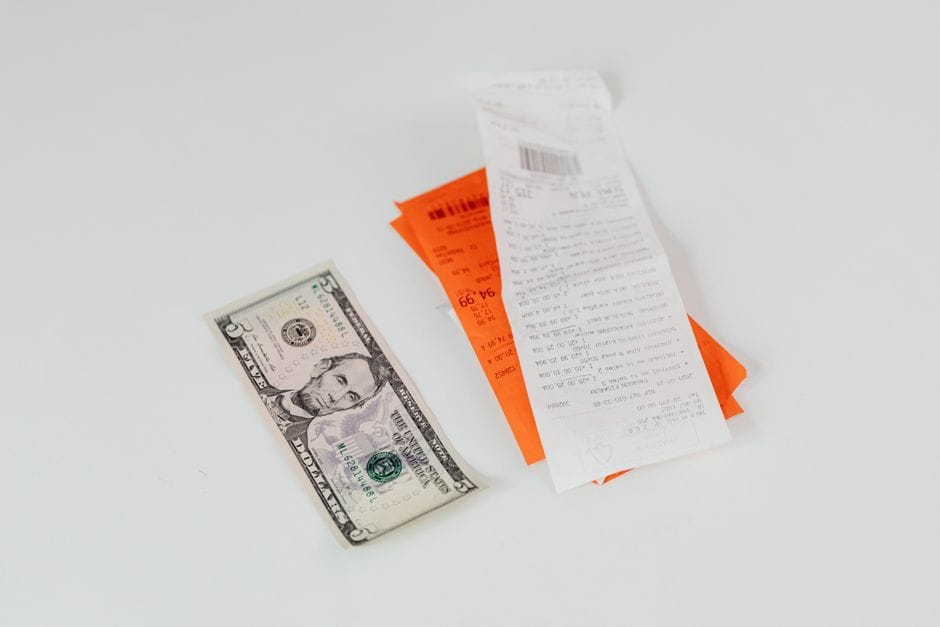
Rebate checks are real payments companies send you for one of three reasons: you completed a manufacturer’s rebate offer, a court or regulator ordered the company to refund customers, or a business is returning money it overcharged. If a check showed up that you weren’t expecting, the fastest way to tell whether it’s genuine is to look up the case or offer name printed on the check or the enclosed letter, then confirm it on the sponsoring company’s official site or at ftc.gov/refunds.
- Why Companies Send Rebate Checks
- The Three Kinds of Rebate Checks, Side by Side
- How to Verify Rebate Checks Before You Deposit
- The Timing Rules Companies Actually Have to Follow
- What Most People Get Wrong
- Are Rebate Checks Taxable Income?
- If You Receive Government Benefits
- Frequently Asked Questions
The short version: a legitimate rebate check never requires you to pay a fee, wire money back, or hand over your Social Security number to “release” the funds. According to the FTC, the agency never requires upfront fees and never asks for sensitive information like your Social Security or bank account number to send a refund. Anyone who does is running a scam.
Below is a plain-English walkthrough of where rebate checks come from, the timing rules companies have to follow, how to verify yours in about ten minutes, and what to do if the check turns out to be bogus.
Why Companies Send Rebate Checks
Most rebate checks fall into a few buckets. Manufacturer rebates are marketing: the sticker price looks lower because part of it comes back to you later, and companies know a meaningful share of buyers never redeem. That gap is the business model.
Enforcement refunds are different. When a regulator sues a company over deceptive practices and the case settles, the money often comes back to customers as checks. In March 2026, the FTC announced it was sending more than $47.2 million to people affected by Invitation Homes’ undisclosed fees. In May 2025, the FTC said more than $5 million went to 40,249 consumers in the Cerebral case.
The third bucket is corrective: billing errors, overcharges, insurance rebates, or utility credits. These arrive unannounced, which is exactly why people assume they’re fake.
The Three Kinds of Rebate Checks, Side by Side
| Type | Why it arrives | Did you apply? | Where to verify |
|---|---|---|---|
| Manufacturer or retailer rebate | You bought a qualifying product and submitted a form | Yes | The rebate tracking site printed on your submission receipt |
| Regulator or class action refund | A settlement returns money to affected customers | Sometimes — many are automatic | ftc.gov/refunds, or the court-approved settlement site |
| Overcharge or billing correction | A company owes you money back | No | The company’s official customer service number |
Notice what’s missing from that table: any category where a stranger sends you money and asks for some of it back. That pattern is always a scam, with no exceptions worth entertaining.
How to Verify Rebate Checks Before You Deposit
Work through these in order. It rarely takes more than a few minutes.
- Read the enclosed letter. Legitimate rebate checks from an FTC action come with an explanation of the case, the name of the company issuing payment, and a phone number for questions.
- Look the case up yourself. The FTC maintains a chart of current refund programs at ftc.gov/refunds specifically so people can confirm a check is legitimate. Type the address in manually — don’t use a link from the letter.
- Recognize the administrator. The FTC contracts with private firms to handle payouts. Epiq Systems handled the Cerebral refunds; Rust Consulting handled Invitation Homes. An unfamiliar company name on the check isn’t automatically a red flag.
- Call using a number you found yourself. Look up the company or administrator independently rather than trusting contact details on the mailer.
- Ask what’s being requested of you. Nothing should be. No fee, no gift cards, no wiring a portion back.
If any step doesn’t check out, don’t deposit it. You can report it at ReportFraud.ftc.gov.
The Timing Rules Companies Actually Have to Follow
Rebate promotions aren’t open-ended. Under FTC rules, companies must send rebates within the time promised in the offer, or within 30 days if no time is specified. The FTC has brought enforcement actions against companies that misrepresented rebate timing — one case involved rebates arriving one to five months late.
For rebates paid in merchandise rather than cash, the Mail, Internet, or Telephone Order Merchandise Rule applies similar timing, and companies must offer you the option to consent to a delay or cancel and receive reasonable cash compensation instead.
Settlement rebate checks carry deadlines too. FTC refund checks generally must be cashed within 90 days, as printed on the check. If you miss it and money remains in the fund, the FTC says it may be able to reissue payment, and reissues are typically processed once a month after the initial distribution.
What Most People Get Wrong
The single biggest mistake is treating “the funds showed up in my account” as proof the check was good. The FTC is blunt about this: banks must make deposited funds available within days, but discovering a fake check can take weeks. If you withdraw the money and the check later bounces, you owe the bank every dollar you took out — even if you had no idea it was fake.
Two more common misreads. First, people assume an unexpected check must be a scam and shred it. Plenty of legitimate settlement rebate checks arrive with no prior claim on your part. Second, people assume a scam means the named company did something wrong. Often the real company is uninvolved and imposters are simply borrowing its name — the FTC runs a whole page on FTC impersonators for this reason.
Also worth knowing: legitimate unclaimed-property funds are searchable free through your state, and the FTC points people to unclaimed.org/search. Nobody should charge you a fee to find money that’s already yours.
📨 Get Free Sweepstakes Alerts
Free · No spam · Unsubscribe anytime
Are Rebate Checks Taxable Income?
This is where general rules help and specifics require a professional. Under IRS guidance, a rebate received from the party you paid the purchase price to is treated as an adjustment to the purchase price — not an accession to wealth, and not includible in gross income. That’s why ordinary manufacturer rebate checks typically aren’t reported as income.
Settlement payments are a separate question. The IRS says whether settlement proceeds are includible in income depends on all the facts and circumstances of the case, and different types of damages get different treatment. Class action administrators commonly issue Forms 1099 to class members above the applicable reporting threshold; per IRS instructions, the general Form 1099-MISC threshold for payments made in 2026 is $2,000.
The IRS also flags a wrinkle: some state energy incentives labeled “rebates” may not qualify as purchase-price rebates under federal tax law. Rules vary by state and by program, so check the program’s own documentation and confirm your situation with the IRS or a tax professional.
If You Receive Government Benefits
If you get SSI, SNAP, Medicaid, Section 8, or similar assistance, reporting requirements generally apply to money you receive, and how a payment is counted depends on the specific program, the type of payment, and your household’s circumstances. Some payments are treated as income, some as a resource, and some are excluded entirely.
Nobody can tell you from the outside what a particular check will mean for your case — and no one should tell you it will or won’t affect anything. Contact the agency that administers your benefit: SSA at ssa.gov for SSI or SSDI, your state SNAP office through fns.usda.gov, your state Medicaid agency, or your local housing authority for Section 8. Rules and treatment vary by state and program.
Frequently Asked Questions
How long do I have to cash a settlement rebate check?
FTC refund checks generally must be cashed within 90 days, and that deadline is printed on the check. Class action settlements set their own windows, so read the check and the enclosed notice. If you miss it, contact the administrator — the FTC says it may reissue payment if funds remain.
Can I be charged a fee to receive rebate checks?
No. The FTC states it never requires upfront fees and never asks for your Social Security or bank account number to issue a refund. A demand for payment, gift cards, or wired funds to “unlock” a check is a scam every time.
What if I deposited a check and it turned out to be fake?
Tell your bank right away. The FTC warns you’re responsible for checks you deposit, and if you withdrew the money before the bank caught the fake, you’ll have to repay it. Report the incident at ReportFraud.ftc.gov.
Do I owe taxes on rebate checks I receive?
Ordinary purchase rebates are generally treated by the IRS as a reduction in what you paid, not as income. Settlement payments depend entirely on the facts of the case and may be reported on a Form 1099. Check IRS.gov or ask a tax professional about your specific payment.
Want to put this knowledge to work?
Know the Rules Where You Live
Sweepstakes and prize rules change from state to state — what a sponsor can offer, how prizes are handled, and what protections you have. Pick your state to see the exact rules that apply where you live.
See Sweepstakes Laws in All 50 States →
Sources & How to Verify
The facts on this page are drawn from official government and primary sources. Rules and figures change, so always confirm the current details with the official agency or the promotion’s own published rules.
- FTC Consumer Advice: consumer.ftc.gov — prize, sweepstakes, and lottery scam guidance
- IRS: irs.gov — how prizes and winnings are treated as income
- Social Security Administration: ssa.gov — what SSI recipients must report
- The promotion’s official rules: every legitimate sweepstakes publishes them — the rules page is always the final word
Content last reviewed August 2026. If you notice outdated information, please contact us.
You May Also Like
Related Guides
- Sweepstakes Laws by State (50-State Guide)
- More in This Category
- Sweepstakes Resources
- Scam Checks
- Sweepstakes Tax Calculator
- All Active Sweepstakes
Informational only — not legal, tax, or financial advice. Win Big Daily is an independent educational resource. Prize rules, tax treatment, and benefit-program requirements vary by state and program and change over time, so always verify the current details with the official agency, the promotion’s published rules, or a qualified professional before acting. If a topic involves government benefits, contact the program office about your specific situation.