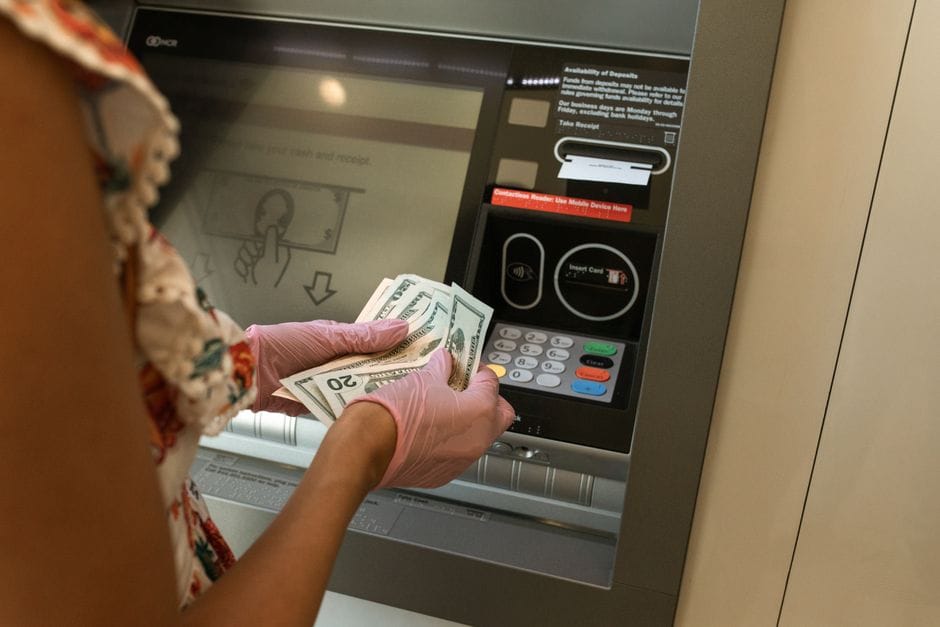
To verify a prize check before you cash it, call the bank whose name is printed on the check — using a phone number you look up yourself, never the number on the check or in the letter — and ask them to confirm the check number, amount, and issue date. Then contact the sweepstakes sponsor directly through its official website. Until both confirm, treat the money as if it isn’t there.
- Why “the funds cleared” doesn’t mean the check is real
- How to verify a prize check step by step
- What a legitimate prize looks like versus a fake
- How real sweepstakes handle taxes — and why upfront “tax” demands fail the test
- What most people get wrong when they verify a prize check
- Real companies, imposters, and telling them apart
- If the check is fake — reporting and benefits questions
- Frequently Asked Questions
That advice sounds slow, and it is. But the reason it matters comes down to a gap in how banking works. Your bank has to release deposited funds fast — often within a day or two — but it can take weeks for that same bank to learn a check was counterfeit. The FTC puts it bluntly: seeing the money in your account does not mean the check was good.
When the check bounces, you owe the bank the full amount, plus whatever you already sent the “sponsor.” That’s why people who take the time to verify a prize check almost never lose money, and people who skip it sometimes lose thousands. Here’s exactly how to do it.
Why “the funds cleared” doesn’t mean the check is real
Federal funds-availability rules — Regulation CC, enforced by the Federal Reserve — require your bank to make the first $275 of most check deposits available on the first business day after deposit. That figure rose from $225 on July 1, 2025. Most of the remainder is typically available by the second business day.
Availability is not clearance. Availability is a deadline your bank must meet. Clearance is the paying bank actually honoring the check, which can happen much later — or never, if the check is counterfeit.
Banks can extend holds in some situations. Under Regulation CC, deposits over $6,725 in one banking day can be held on the excess amount until roughly the seventh business day, and accounts open less than 30 days face longer schedules. A hold isn’t an accusation; it’s often the bank buying time.
How to verify a prize check step by step
Work through this in order. Each step is quick, and you can do all of it before you ever walk into a branch.
- Don’t deposit yet. Nothing about verification requires the check to be in your account.
- Find the issuing bank’s real phone number. The Office of the Comptroller of the Currency warns against calling the number printed on the instrument — it often belongs to the scammer. Look the bank up independently; the FDIC’s BankFind tool at fdic.gov lists real institutions and their contact details.
- Ask them to confirm the item. Have the check number, issue date, and exact amount ready. That’s what a bank needs to look it up.
- Contact the sponsor separately. Use the phone number or contact form on the company’s own website, not anything in the envelope.
- Read the official rules. Real sweepstakes publish rules naming the sponsor, prize values, and how winners are notified.
- Take it to your own bank. Tellers see counterfeits regularly and will tell you what looks off.
What a legitimate prize looks like versus a fake
The single clearest signal is money moving the wrong direction. The FTC’s position is unambiguous: legitimate sweepstakes never require you to pay insurance, taxes, shipping, or processing fees to collect a prize. If you have to pay to collect, you haven’t won.
| Signal | Legitimate prize | Fake check scam |
|---|---|---|
| Money direction | Only to you | They send a check, ask you to send part back |
| Fees | None to claim | “Taxes,” “insurance,” “processing” |
| Urgency | Reasonable deadlines in written rules | Same-day, overnight courier, “act now” |
| Payment method requested | N/A | Wire, gift cards, money order, crypto, payment apps |
| Entry | You remember entering | A contest you never entered |
| Taxes | Reported to IRS; you handle at filing | Collected upfront by the “sponsor” |
The FTC also flags pressure toward overnight delivery or wire services, because those methods move money before you can reconsider.
How real sweepstakes handle taxes — and why upfront “tax” demands fail the test
This is where the scam script falls apart. Under IRS rules, a sponsor that pays out $600 or more to one person in a calendar year generally issues a Form 1099-MISC and reports it; prize income is reported as other income on your return. For winnings of $5,000 or more from sweepstakes, lotteries, and wagering pools, IRS instructions describe a 24% federal withholding rate applied by the payer.
Read that again: withholding is subtracted from the prize by the payer. It is not collected from you in advance by wire transfer. A backup withholding rate of 24% also applies when a winner doesn’t furnish a correct taxpayer identification number, per IRS guidance.
State tax treatment varies, and some states withhold on prizes while others don’t. There is no single national number, so check your state’s department of revenue rather than trusting a figure someone quotes over the phone. Talk to a tax professional about your own return.
What most people get wrong when they verify a prize check
Three mistakes account for most losses.
Calling the number on the check. This is the most common one. Scammers print a real bank’s name and routing number alongside their own phone number. You call, a polite “bank employee” confirms everything, and you feel reassured. Always look the number up yourself.
Trusting the check’s appearance. Counterfeits often use genuine routing numbers belonging to real institutions — the OCC has issued repeated alerts about exactly this. Watermarks, perforated edges, and security-feature language can all be copied.
Assuming a cashier’s check is safe. Cashier’s checks are forged constantly; the phrase “official check” is not verification. And separately, a check dated more than six months earlier is generally stale under UCC 4-404, which most states have adopted — banks aren’t obligated to pay it.
📨 Get Free Sweepstakes Alerts
Free · No spam · Unsubscribe anytime
Real companies, imposters, and telling them apart
Well-known sweepstakes brands are heavily impersonated, which confuses people trying to verify a prize check. Publishers Clearing House is the clearest example: it’s a real company, and the FTC entered a settlement with it in June 2023 over marketing practices, later sending $18.5 million in refunds to 281,724 consumers, announced in April 2025.
That’s a documented regulatory matter about advertising and fees. It is entirely separate from the many scammers who impersonate the brand’s name and “Prize Patrol” imagery to send fake checks. Confirming a sponsor is a real company doesn’t confirm the letter in your hand came from them.
The test stays the same regardless of the name on the envelope: verify a prize check through the company’s own published contact channels, and treat any request for payment as disqualifying.
If the check is fake — reporting and benefits questions
Report it to the FTC at ReportFraud.ftc.gov. In 2024, the FTC received 6.5 million consumer reports and consumers reported losing more than $12.5 billion to fraud, with imposter scams accounting for $2.95 billion of that. Your report feeds that dataset and law enforcement referrals.
If the check arrived by mail, also report it to the U.S. Postal Inspection Service at uspis.gov/report or 877-876-2455. Tell your bank too, especially if you already deposited it.
If you receive benefits — SSI, SSDI, SNAP, Medicaid, Section 8, or similar — reporting requirements for income and resources generally apply, and how a prize affects eligibility depends on the specific program and your circumstances. Rules and income limits vary by state and program. Contact SSA, your state SNAP or Medicaid office, or your housing authority directly about your own case rather than relying on general guidance.
Frequently Asked Questions
How long does it take to verify a prize check?
Usually one phone call to the issuing bank, plus one to the sponsor — often under an hour. Compare that to the weeks it can take a counterfeit to bounce back, and the math strongly favors making the calls first.
Can my bank tell me instantly whether a check is good?
Not reliably. Your bank can spot obvious counterfeits and check whether the routing number is valid, but final settlement happens through the paying bank. That’s why you contact the issuing institution directly rather than relying only on your teller.
Am I responsible if I deposit a fake check by accident?
Generally yes — the FTC notes that when a deposited check turns out to be bad, you typically owe your bank that money back. Report it to your bank promptly and ask about their process; policies differ by institution.
What if the sponsor says I must pay taxes before receiving the prize?
That contradicts how IRS rules work, since withholding is applied by the payer to the prize itself. The FTC’s guidance is that legitimate sweepstakes never require payment of taxes or fees to release winnings, so this is a strong signal to stop and verify a prize check independently.
Want to put this knowledge to work?
Know the Rules Where You Live
Sweepstakes and prize rules change from state to state — what a sponsor can offer, how prizes are handled, and what protections you have. Pick your state to see the exact rules that apply where you live.
See Sweepstakes Laws in All 50 States →
Sources & How to Verify
The facts on this page are drawn from official government and primary sources. Rules and figures change, so always confirm the current details with the official agency or the promotion’s own published rules.
- FTC Consumer Advice: consumer.ftc.gov — prize, sweepstakes, and lottery scam guidance
- IRS: irs.gov — how prizes and winnings are treated as income
- Social Security Administration: ssa.gov — what SSI recipients must report
- The promotion’s official rules: every legitimate sweepstakes publishes them — the rules page is always the final word
Content last reviewed August 2026. If you notice outdated information, please contact us.
You May Also Like
Related Guides
- Sweepstakes Laws by State (50-State Guide)
- More in This Category
- Sweepstakes Resources
- Scam Checks
- Sweepstakes Tax Calculator
- All Active Sweepstakes
Informational only — not legal, tax, or financial advice. Win Big Daily is an independent educational resource. Prize rules, tax treatment, and benefit-program requirements vary by state and program and change over time, so always verify the current details with the official agency, the promotion’s published rules, or a qualified professional before acting. If a topic involves government benefits, contact the program office about your specific situation.