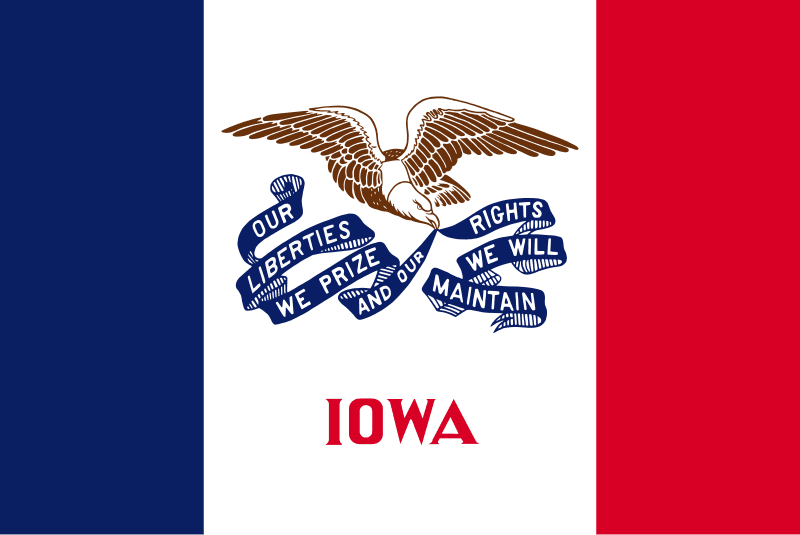
Iowa sweepstakes laws protect consumers from deceptive prize promotions across the state. Iowa Code Chapter 714B serves as the primary statute governing sweepstakes and prize notices. This law defines what sponsors can and cannot do when offering prizes to Iowa residents. The Iowa Attorney General’s Consumer Protection Division actively enforces these rules. Iowa does not require sweepstakes sponsors to register or post a bond.
However, sponsors must follow strict disclosure and fairness requirements. Violating Iowa sweepstakes laws can result in criminal charges, civil penalties, and private lawsuits from consumers. The state takes a consumer-first approach to regulation. Both the Federal Trade Commission and the Iowa Attorney General share enforcement authority over promotions targeting Iowans. Understanding these rules is essential for anyone entering or running a sweepstakes in the state.
Iowa Sweepstakes Registration and Bonding Requirements
Iowa does not require sweepstakes sponsors to register with any state agency. There is no filing fee, registration form, or surety bond requirement. This makes Iowa less burdensome than states like New York or Florida. Those states require registration and bonding for prizes exceeding $5,000. However, Iowa’s lack of registration does not mean sponsors face no oversight. The Attorney General can request information from any sponsor at any time under Iowa Code Section 714B.5.
Sponsors offering travel-related prizes may need additional compliance. Iowa’s Sellers of Travel rules could apply in those situations. In most cases, sweepstakes sponsors only need to follow the disclosure and fairness rules in Chapter 714B. They must also comply with federal regulations from the FTC. Failing to meet these standards can lead to enforcement action even without formal registration.
Iowa Sweepstakes Laws: Prize Disclosure and Tax Rules
Iowa sweepstakes laws require sponsors to provide clear written prize notices. Under Iowa Code 714B.2, every written notice must disclose the odds of winning each prize. It must also list any eligibility limitations. Sponsors cannot imply that a purchase is needed to win. For example, a notice that suggests buying a product improves your chances violates the law. The prize notice must come before any verbal advertisement tied to a purchase requirement.
Iowa sweepstakes laws also intersect with state tax obligations. As of 2026, Iowa uses a flat income tax rate of 3.8% on all income, including sweepstakes winnings. The IRS requires 24% federal withholding on prizes exceeding $5,000. As a result, large prize winners in Iowa face a combined withholding rate of 27.8%. Winners receive a Form W-2G for tax reporting purposes.
| Regulation | Iowa Requirement |
|---|---|
| Primary Statute | Iowa Code Chapter 714B |
| Registration Required | No |
| Bonding Required | No |
| State Tax on Winnings | 3.8% flat rate (2026) |
| Federal Withholding (over $5,000) | 24% |
| Combined Withholding | 27.8% |
| State Withholding Threshold | $600 |
| Prize Delivery Deadline | 30 days after notification |
| Criminal Penalty for Violations | Aggravated misdemeanor (up to 2 years) |
| Consumer Private Action | Yes — actual or treble damages |
| Complaint Hotline | 1-888-777-4590 |
Consumer Protection in Iowa
The Iowa Attorney General’s Consumer Protection Division is the primary enforcement body for Iowa sweepstakes laws. Under Iowa Code Section 714.16, the AG can seek injunctions, subpoena records, and impose civil penalties up to $5,000 per day for intentional violations. Iowa also allows private lawsuits under Chapter 714H. Consumers who suffer losses from deceptive sweepstakes can recover actual damages. Courts may award treble damages for willful violations.
Iowa has a strong track record of enforcement. The state participated in a multi-state action against Publishers Clearing House. That settlement returned $952,000 in refunds to older Iowans. Iowa also helped shut down American Family Publishers, which ceased operations after enforcement pressure. In 2024, Attorney General Brenna Bird’s office intervened to save an Iowa couple who lost over $16,000 to a sweepstakes scam. The scammer had posed as Publishers Clearing House and demanded upfront fees.
To report a suspicious sweepstakes in Iowa, consumers can call the hotline at 1-888-777-4590. They can also file a complaint online through the AG’s complaint form. The Iowa Fraud Fighters website provides additional scam alerts and resources. Typically, complaints are reviewed by the Consumer Protection Division within a few weeks.
No-Purchase-Necessary Rules in Iowa
Iowa sweepstakes laws strictly prohibit requiring a purchase to enter or win. Under Iowa Code 714B.3, a sponsor cannot ask a person to buy merchandise, pay money, or donate as a condition of receiving a prize. This aligns with the broader legal principle that separates legal sweepstakes from illegal lotteries. An illegal lottery requires three elements: prize, chance, and consideration. Legal sweepstakes remove the consideration element by offering free entry.
Sponsors must provide a free alternative method of entry, often called AMOE. This method must receive equal treatment. For example, a mail-in entry must have the same odds as an online entry tied to a purchase. Iowa sweepstakes laws also prohibit sponsors from claiming that multiple purchases increase a person’s chances of winning unless that is actually true. The FTC reinforces these requirements at the federal level through its Telemarketing Sales Rule.
Only the state of Iowa can operate a lottery through the Iowa Lottery Authority under Chapter 99G. All private lotteries are illegal. However, charitable raffles and bingo games are permitted under Iowa Code Chapter 99B. These operate under separate regulations with specific licensing requirements.
📨 Get Free Sweepstakes Alerts
Free · No spam · Unsubscribe anytime
Running a Sweepstakes in Iowa: Compliance Checklist
Sponsors targeting Iowa residents should follow several key steps to comply with Iowa sweepstakes laws. First, draft official rules that include complete odds disclosure and eligibility requirements. Second, ensure all written prize notices meet the standards in Chapter 714B. Third, provide a clear and accessible free entry method. Fourth, never imply that purchasing improves a participant’s chances.
Sponsors must deliver prizes within 30 days of notifying winners. Alternatively, they can provide a voucher, a substitute prize of equal value, or the retail value in cash. Iowa sweepstakes laws prohibit misleading notices that mimic government agencies, law firms, or utility companies. Sponsors also cannot falsely claim that a recipient has been “specially selected” or is a “finalist” when all recipients receive the same notice.
Violating these rules carries serious consequences. Intentional violations constitute an aggravated misdemeanor in Iowa. This carries up to two years in prison and fines between $855 and $8,540. In most cases, the Attorney General will pursue civil remedies first. However, repeated or egregious violations can lead to criminal prosecution. Sponsors should consult legal counsel familiar with Iowa sweepstakes laws before launching any promotion in the state.
Frequently Asked Questions
Are sweepstakes legal in Iowa?
Yes, sweepstakes are legal in Iowa as long as they do not require a purchase to enter. They must comply with Iowa Code Chapter 714B and include proper prize disclosures. Sponsors must also follow FTC guidelines.
Do I have to pay taxes on sweepstakes winnings in Iowa?
Yes. Iowa taxes sweepstakes winnings at a flat rate of 3.8% as of 2026. The IRS also withholds 24% on prizes over $5,000. Winners should expect combined withholding of 27.8% on large prizes.
How do I report a sweepstakes scam in Iowa?
Contact the Iowa Attorney General’s Consumer Protection Division at 1-888-777-4590. You can also file an online complaint at the AG’s website. Visit Iowa Fraud Fighters for scam alerts and prevention tips.
Enter More Sweepstakes
Ready to start entering? Browse our curated list of current legitimate sweepstakes with verified entry links.
Official Sources & Resources
- FTC (Federal Trade Commission): Prize Scam Awareness
- IRS (Prize Tax Reporting): IRS Topic 419 — Gambling Income
- FBI IC3 (Internet Crime): ic3.gov
- USA.gov — Scams: usa.gov/scams
Content last reviewed April 2026. If you notice any outdated information, please contact us.