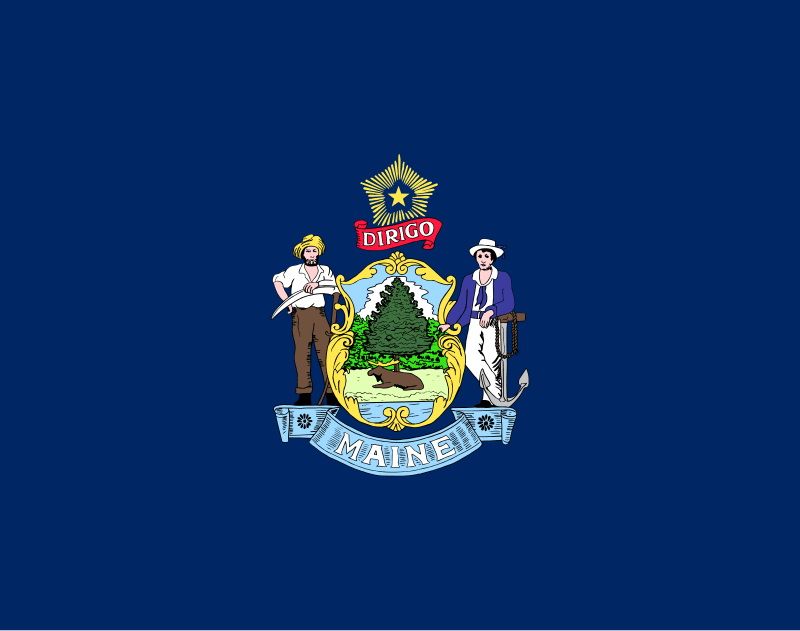
Maine sweepstakes laws protect consumers while keeping promotions accessible. The Pine Tree State does not have a standalone sweepstakes statute. Instead, Maine relies on its anti-lottery laws and consumer protection framework. The key statute is Title 17-A, Section 952 of the Maine Revised Statutes. It defines a lottery as any scheme distributing prizes by chance among people who paid consideration. A legitimate sweepstakes removes the consideration element.
This makes it legal under Maine law. The Maine Attorney General’s Consumer Protection Division enforces these rules. They use the Unfair Trade Practices Act to combat deceptive promotions. Understanding Maine sweepstakes laws is essential for both sponsors and participants.
Maine Sweepstakes Registration and Bonding Requirements
Maine sweepstakes laws do not require sponsors to register promotions with the state. This sets Maine apart from states like New York, Florida, and Rhode Island. Those states mandate registration and bonding for high-value sweepstakes. In Maine, there is no filing requirement with the Attorney General or Secretary of State. Sponsors do not need to post a surety bond. They also do not need to establish a trust account for prize funds.
However, this does not mean sponsors can ignore compliance entirely. Maine’s Unfair Trade Practices Act, codified at 5 M.R.S. § 207, still applies. Any sweepstakes that deceives consumers violates this law. The Attorney General can investigate and take action against deceptive promotions. As a result, sponsors must still follow general consumer protection principles.
For comparison, New York requires registration and bonding for prizes over $5,000. Florida has similar rules under § 849.094. Maine sweepstakes laws take a lighter regulatory approach. Sponsors benefit from fewer administrative hurdles. But they must still ensure their promotions are honest and transparent.
Maine Sweepstakes Laws: Prize Disclosure and Tax Rules
Maine sweepstakes laws do not include a dedicated disclosure statute. However, the UTPA effectively requires full transparency. Failing to disclose material terms can be a deceptive act under 5 M.R.S. § 207. Sponsors should clearly state the odds of winning. They must list the estimated retail value of all prizes. Entry deadlines and eligibility restrictions need prominent placement.
Maine taxes sweepstakes winnings as ordinary income. The state uses a graduated income tax system. For federal reporting, sponsors must file Form 1099-MISC for prizes worth $600 or more. The FTC’s Telemarketing Sales Rule also requires clear disclosure of odds and the no-purchase entry method. In most cases, winners should plan for both federal and state tax obligations.
| Regulation Area | Maine Requirement |
|---|---|
| Sweepstakes Registration | Not required |
| Bonding or Trust Account | Not required |
| Governing Statute | 17-A M.R.S. § 952 (lottery definition); 5 M.R.S. § 207 (UTPA) |
| State Income Tax Rate | 5.80% to 7.15% (graduated) |
| State Withholding on Prizes | 5% on lottery prizes over $5,000 |
| Federal Reporting Threshold | $600 (Form 1099-MISC) |
| Federal Withholding | 24% on prizes over $5,000 |
| Civil Penalty per Violation | Up to $10,000 under UTPA |
| Private Right of Action | Yes — 5 M.R.S. § 213 |
Typically, Maine residents who win large prizes face the top state rate of 7.15%. This applies to taxable income above $58,050 for single filers. Combined with the 24% federal withholding, winners may see significant deductions. It is wise to consult a tax professional after winning.
Consumer Protection in Maine
The Maine Attorney General actively protects residents from sweepstakes fraud. The Consumer Protection Division investigates complaints about deceptive promotions. They have authority to issue Civil Investigative Demands. These compel companies to produce documents and records. The AG can seek injunctive relief and civil penalties up to $10,000 per violation under 5 M.R.S. § 209.
Maine has joined major multistate enforcement actions. For example, Maine participated in the Publishers Clearing House settlement in 2001. That $34 million multistate settlement addressed deceptive mailings. The mailings misled consumers into believing they had won prizes. Maine sweepstakes laws gave the AG authority to join that action. The state also worked against American Family Publishers for similar violations.
Maine residents can report suspicious sweepstakes to the Consumer Protection Division. They can file complaints online or by phone. Additionally, 5 M.R.S. § 213 provides a private right of action. Individual consumers can sue and recover actual damages or $200, whichever is greater. They can also recover attorney fees. This gives Maine residents a direct path to justice beyond the AG’s enforcement efforts.
No-Purchase-Necessary Rules in Maine
Maine sweepstakes laws require a free entry method through the lottery definition. Under 17-A M.R.S. § 952, a promotion with prize, chance, and consideration is an illegal lottery. Removing consideration makes it a legal sweepstakes. This means sponsors must offer a genuinely free way to enter. Typically, this is a mail-in entry or online form.
The free entry method must provide equal odds of winning. A sham alternative does not satisfy Maine sweepstakes laws. For example, a “free” entry buried in fine print is likely deceptive. Making the free method impractical or difficult could violate the UTPA. The free path must be equally accessible and clearly disclosed.
📨 Get Free Sweepstakes Alerts
Free · No spam · Unsubscribe anytime
Maine courts interpret consideration broadly. A required purchase clearly qualifies as consideration. However, other requirements may also count. Requiring attendance at a sales presentation could be consideration. Mandatory lengthy surveys might qualify too. In most cases, the safest approach is a simple free entry with no strings attached. Sponsors should display “NO PURCHASE NECESSARY” prominently in all materials.
Running a Sweepstakes in Maine: Compliance Checklist
Sponsors targeting Maine residents should follow several key steps. First, ensure the promotion eliminates consideration. Provide a free entry method with equal odds. Second, draft complete official rules. Include odds, prize values, deadlines, and eligibility requirements. Maine sweepstakes laws require transparency under the UTPA.
Third, avoid deceptive language in promotional materials. Do not imply someone has already won. Do not simulate checks or official documents. Fourth, comply with federal requirements. File Form 1099-MISC for prizes of $600 or more. Apply 24% federal withholding on prizes exceeding $5,000. Follow the FTC’s advertising guidelines for all promotional claims.
Fifth, keep records of all entries and winner selections. Maine sweepstakes laws allow the AG to investigate at any time. Having thorough documentation protects sponsors. Sixth, monitor telemarketing compliance. If promoting by phone, follow both FTC rules and Maine telemarketing provisions. Finally, consider consulting an attorney familiar with Maine sweepstakes laws. While Maine has fewer requirements than some states, compliance with the UTPA is essential.
Frequently Asked Questions
Are sweepstakes legal in Maine?
Yes, sweepstakes are legal in Maine when properly structured. The promotion must offer a free entry method to avoid being an illegal lottery. Maine sweepstakes laws require that no purchase be necessary to enter or win.
Do I have to pay taxes on sweepstakes winnings in Maine?
Yes, Maine taxes sweepstakes winnings as ordinary income. The state income tax rate ranges from 5.80% to 7.15%. You must also report winnings on your federal tax return.
How do I report a sweepstakes scam in Maine?
Contact the Maine Attorney General’s Consumer Protection Division. You can file a complaint through the AG’s website or call their office. You should also report the scam to the Federal Trade Commission.
Enter More Sweepstakes
Ready to start entering? Browse our curated list of current legitimate sweepstakes with verified entry links.
Official Sources & Resources
- FTC (Federal Trade Commission): Prize Scam Awareness
- IRS (Prize Tax Reporting): IRS Topic 419 — Gambling Income
- FBI IC3 (Internet Crime): ic3.gov
- USA.gov — Scams: usa.gov/scams
Content last reviewed April 2026. If you notice any outdated information, please contact us.