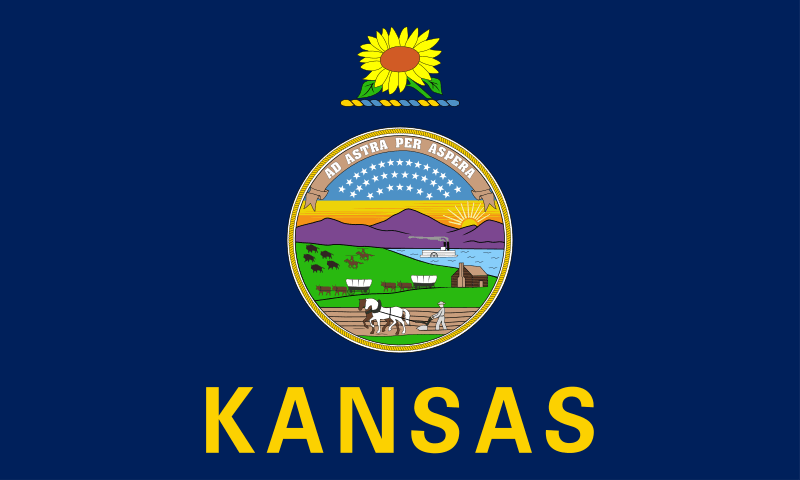
Kansas sweepstakes laws govern how promotional giveaways and contests operate within the Sunflower State. Kansas does not have a single sweepstakes-specific statute. Instead, several overlapping laws control these promotions. The Kansas Consumer Protection Act (K.S.A. 50-623 et seq.) prohibits deceptive practices in sweepstakes. Kansas gambling statutes (K.S.A. 21-6403 through 21-6405) draw the line between legal promotions and illegal lotteries. Federal rules from the FTC add another layer of oversight. Understanding these regulations matters whether you enter sweepstakes or run them. Kansas residents should know their rights. Sponsors should understand their obligations before launching any promotion in the state.
Kansas Sweepstakes Registration and Bonding Requirements
Kansas does not require sweepstakes sponsors to register promotions with the state. There is no bonding requirement for running a sweepstakes in Kansas. This sets Kansas apart from states like New York, Florida, and Rhode Island. Those states impose specific registration filings and surety bonds on promoters. However, the absence of a registration requirement does not mean Kansas takes a hands-off approach.
Kansas sweepstakes laws still require full compliance with the Kansas Consumer Protection Act. Under K.S.A. 50-626, any deceptive act in connection with a promotion is unlawful. Sponsors must disclose all material terms clearly. This includes odds of winning, eligibility restrictions, and entry deadlines. The Kansas Attorney General can investigate promotions that appear misleading. Violations can result in civil penalties of up to $10,000 per offense under K.S.A. 50-636.
In most cases, sponsors running nationwide sweepstakes still need to check Kansas requirements. Even without registration, sponsors must draft official rules that comply with Kansas law. They should also confirm their promotion does not cross into illegal gambling territory under K.S.A. 21-6403.
Kansas Sweepstakes Laws: Prize Disclosure and Tax Rules
Kansas sweepstakes laws require honest and complete prize disclosures. Sponsors cannot misrepresent the value of prizes. They cannot imply someone has already won when conditions still apply. Under the KCPA, failing to disclose material terms is a deceptive practice. For example, hiding a purchase requirement in fine print violates K.S.A. 50-626. Prize details, entry methods, and restrictions must be stated upfront.
Sweepstakes winnings are taxable income in Kansas. The state uses a graduated income tax system. Kansas also follows federal reporting thresholds. Sponsors must issue a 1099-MISC for prizes valued at $600 or more. Federal withholding of 24% applies to winnings over $5,000. Winners report all prize income on their Kansas Form K-40. As a result, large sweepstakes wins can carry a significant tax burden.
| Regulation | Kansas Requirement |
|---|---|
| Sweepstakes Registration | Not required |
| Surety Bond | Not required |
| Governing Consumer Law | K.S.A. 50-623 et seq. (Kansas Consumer Protection Act) |
| Gambling Statute | K.S.A. 21-6403 (Gambling); K.S.A. 21-6404 (Commercial Gambling) |
| State Income Tax on Winnings | 3.1% on first $15,000; 5.25% above $15,000 (single filers) |
| Federal Reporting Threshold | 1099-MISC required for prizes $600+ |
| Federal Withholding | 24% on winnings over $5,000 |
| Civil Penalty for Violations | Up to $10,000 per violation (K.S.A. 50-636) |
| Enforcement Authority | Kansas Attorney General, Consumer Protection Division |
Consumer Protection in Kansas
The Kansas Attorney General’s Consumer Protection Division enforces Kansas sweepstakes laws. This office investigates complaints about deceptive promotions. It can issue subpoenas and civil investigative demands. It can also seek court injunctions to shut down fraudulent operations. Kansas has participated in multi-state enforcement actions through the National Association of Attorneys General against major sweepstakes fraud schemes.
Kansas sweepstakes laws under the KCPA target several common scam tactics. These include fake “you have won” mailers, advance-fee prize schemes, and promotions that disguise required purchases as voluntary. The Attorney General’s office has specifically targeted foreign lottery scams aimed at Kansas seniors. Sweepstakes cafes that effectively operated as gambling parlors have also faced enforcement under K.S.A. 21-6404 and K.S.A. 21-6405.
Kansas residents who suspect a sweepstakes scam can file a complaint with the Kansas Attorney General’s Consumer Protection Division. They can also report fraud to the Federal Trade Commission. Typically, gathering documentation of the suspicious offer strengthens any complaint. Save all mailers, emails, and correspondence before filing.
No-Purchase-Necessary Rules in Kansas
Kansas sweepstakes laws follow the standard three-element test for illegal gambling. A promotion becomes an illegal lottery when it combines prize, chance, and consideration. Consideration means paying money or providing something of value to enter. Legal sweepstakes must eliminate consideration by offering a free alternate method of entry (AMOE). This principle is the foundation of sweepstakes legality in Kansas and nationwide.
The AMOE must be genuine and accessible. It cannot be buried in fine print or made unreasonably difficult. For example, requiring a handwritten essay as the free entry while offering a one-click paid entry could be challenged. Kansas courts generally follow the traditional consideration analysis. If a reasonable person would feel compelled to pay to enter, the promotion may fail the test. The free entry method must offer equal chances of winning.
However, Kansas sweepstakes laws also interact with the Kansas Lottery Act (K.S.A. 74-8701 et seq.). Only the state of Kansas can operate a lottery. A private promotion that includes all three elements — prize, chance, and consideration — is an unauthorized lottery. Commercial gambling under K.S.A. 21-6404 is a severity level 8 nonperson felony. This makes compliance with no-purchase-necessary rules essential for any sponsor.
📨 Get Free Sweepstakes Alerts
Free · No spam · Unsubscribe anytime
Running a Sweepstakes in Kansas: Compliance Checklist
Sponsors targeting Kansas residents should follow a clear compliance framework. First, ensure the promotion includes a genuine free entry method. The AMOE must be prominently disclosed. Second, draft official rules that cover all material terms. Include eligibility requirements, entry periods, odds disclosure, and prize descriptions. Kansas sweepstakes laws under K.S.A. 50-626 require transparency in all consumer-facing materials.
Third, plan for tax reporting obligations. Issue 1099-MISC forms for any prize valued at $600 or more. Withhold 24% for federal taxes on prizes exceeding $5,000. Inform winners of their Kansas state income tax obligations. Fourth, avoid deceptive language in promotional materials. Do not use “guaranteed winner” or “you have definitely won” language unless it is unconditionally true.
Finally, monitor your promotion for compliance throughout its duration. Kansas sweepstakes laws apply from launch through prize fulfillment. Keep records of all entries, winner selections, and prize distributions. The Kansas Attorney General can request documentation at any time. Maintaining thorough records protects sponsors against future disputes. Consulting with a promotion law attorney before launch is strongly recommended for high-value sweepstakes.
Frequently Asked Questions
Are sweepstakes legal in Kansas?
Yes, sweepstakes are legal in Kansas when they include a free method of entry. The promotion must not require a purchase or payment to participate. Kansas sweepstakes laws treat promotions that require consideration as illegal gambling under K.S.A. 21-6403.
Do I have to pay taxes on sweepstakes winnings in Kansas?
Yes, sweepstakes winnings are taxable income in Kansas. You will owe Kansas state income tax at rates of 3.1% to 5.25% depending on your total income. Federal taxes also apply, with 24% withholding on winnings above $5,000.
How do I report a sweepstakes scam in Kansas?
Contact the Kansas Attorney General’s Consumer Protection Division to file a complaint. You can also report the scam to the FTC online. Save all communications and documents related to the suspicious promotion before filing.
Enter More Sweepstakes
Ready to start entering? Browse our curated list of current legitimate sweepstakes with verified entry links.
Official Sources & Resources
- FTC (Federal Trade Commission): Prize Scam Awareness
- IRS (Prize Tax Reporting): IRS Topic 419 — Gambling Income
- FBI IC3 (Internet Crime): ic3.gov
- USA.gov — Scams: usa.gov/scams
Content last reviewed April 2026. If you notice any outdated information, please contact us.