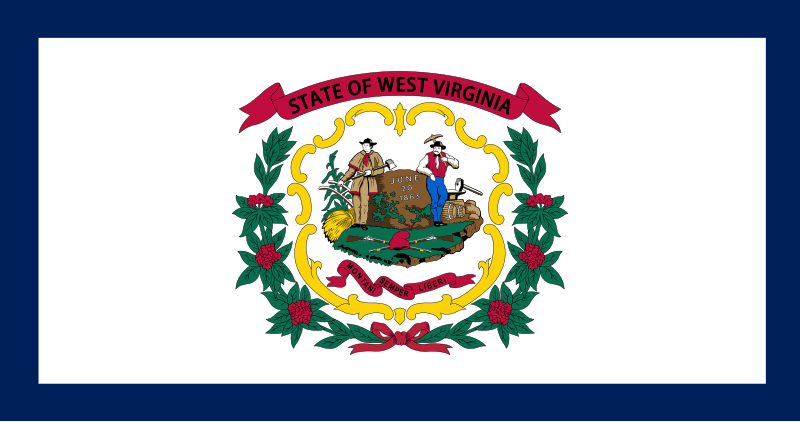
West Virginia sweepstakes laws govern how promotional giveaways, contests, and prize drawings operate within the Mountain State. These laws protect consumers from deceptive practices while allowing legitimate promotions. West Virginia relies on a combination of state statutes and federal guidelines to regulate sweepstakes activity. The primary state framework falls under WV Code Chapter 46A, the Consumer Credit and Protection Act.
Article 6D of this chapter specifically addresses prizes and gifts. Additionally, WV Code §61-10 contains anti-lottery provisions that directly affect how sweepstakes must be structured. The West Virginia Attorney General’s Office actively enforces these rules. In recent years, enforcement has intensified significantly. Understanding these regulations is essential for both participants and sponsors.
West Virginia Sweepstakes Registration and Bonding Requirements
West Virginia does not require sweepstakes sponsors to register promotions with the state. There is no mandatory bonding requirement either. This sets West Virginia apart from states like New York, Florida, and Rhode Island. Those states impose specific registration and bonding obligations on sponsors. However, the absence of registration requirements does not mean West Virginia has a hands-off approach.
West Virginia sweepstakes laws still require compliance with general consumer protection statutes. Sponsors must follow WV Code §46A-6D-4, which mandates clear disclosure of promotion terms. For example, sponsors must identify who is conducting the promotion. They must also disclose all material conditions a participant must satisfy. Oral solicitations carry additional requirements. All material conditions must be disclosed before requesting a consumer to enter any transaction.
If your sweepstakes targets residents in multiple states, you must also comply with those states’ requirements. West Virginia’s lack of registration requirements does not exempt you from filing in states that do require it. As a result, national sweepstakes sponsors should conduct a state-by-state compliance review.
West Virginia Sweepstakes Laws: Prize Disclosure and Tax Rules
West Virginia sweepstakes laws impose specific prize disclosure obligations under WV Code §46A-6D. Sponsors must clearly communicate all material terms. This includes the odds of winning, prize values, and eligibility restrictions. Written disclosures must meet requirements for placement and legibility. If a sponsor tells a participant they have won, the prize must be awarded within 10 days. The winner cannot be required to pay any fees or obligations to receive the prize.
Sweepstakes winnings are taxable in West Virginia. The state imposes a personal income tax that applies to prize winnings. For lottery prizes exceeding $5,000, West Virginia withholds 6.5% in state income tax. Non-lottery gambling winnings are subject to a 4.82% state withholding rate. At the federal level, prizes valued over $600 require the sponsor to issue a Form 1099-MISC. Federal withholding of 24% applies to winnings exceeding $5,000. Winners must report all prize values on their tax returns, regardless of amount.
| Regulation | West Virginia Requirement |
|---|---|
| Sweepstakes Registration | Not required |
| Bonding Requirement | Not required |
| Prize Disclosure | Required under WV Code §46A-6D |
| State Tax on Lottery Winnings Over $5,000 | 6.5% withholding |
| State Tax on Non-Lottery Gambling Winnings | 4.82% withholding |
| Federal Reporting Threshold | $600 (Form 1099-MISC) |
| Federal Withholding Threshold | $5,000 at 24% |
| Minimum Age to Enter | 18 years old |
| Prize Fulfillment Deadline | Within 10 days of notification |
| No-Purchase-Necessary Rule | Required to avoid illegal lottery classification |
| Governing Statute | WV Code Chapter 46A, Article 6D |
| Anti-Lottery Statute | WV Code §61-10-10 and §61-10-11 |
Consumer Protection in West Virginia
The West Virginia Attorney General’s Consumer Protection Division enforces West Virginia sweepstakes laws. Attorney General J.B. McCuskey has taken an aggressive stance against illegal sweepstakes operations. In 2025, the office issued 47 subpoenas to sweepstakes operators. Over 20 major platforms halted operations in the state as a result. The crackdown targeted operators running gambling operations disguised as promotional sweepstakes.
West Virginia’s Consumer Credit and Protection Act prohibits several deceptive sweepstakes practices. These include simulated checks designed to mislead recipients. Excessive shipping and handling charges for prize delivery are also prohibited. For example, a sponsor cannot charge $50 to ship a prize worth $25. The law treats such practices as deceptive acts. Violations can result in civil penalties and injunctive relief.
Consumers can report suspicious sweepstakes to the Attorney General’s office. The Consumer Protection Hotline is available at 1-800-368-8808. Complaints can also be filed by email at [email protected]. The office is located at 1900 Kanawha Boulevard East, Charleston, WV 25305. Typically, complaints are investigated and may lead to formal enforcement actions. The Federal Trade Commission also accepts sweepstakes fraud complaints at the federal level.
No-Purchase-Necessary Rules in West Virginia
West Virginia sweepstakes laws require that legitimate sweepstakes remove the element of consideration. This means no purchase can be necessary to enter or win. This requirement stems from anti-lottery statutes in WV Code §61-10. An illegal lottery contains three elements: a prize, chance, and consideration. Legal sweepstakes eliminate consideration by offering a free alternative method of entry (AMOE).
Acceptable free entry methods in West Virginia include mail-in entry forms and online entry forms. Visiting a retail location to deposit an entry is also acceptable. Toll-free telephone entries qualify as well. However, requiring a participant to listen to a sales presentation does not qualify as free entry. In most cases, the free entry method must provide equal odds of winning. The FTC requires that “NO PURCHASE NECESSARY TO ENTER OR WIN” appear clearly in all promotional materials.
📨 Get Free Sweepstakes Alerts
Free · No spam · Unsubscribe anytime
Violating the no-purchase-necessary rule carries serious consequences under West Virginia sweepstakes laws. WV Code §61-10-10 makes operating an illegal lottery a misdemeanor. Penalties include fines of $100 to $1,000 per offense. Offenders also face up to one year in jail. WV Code §61-10-11 further prohibits the promotion or management of lotteries for money or other things of value. These penalties apply to both physical sweepstakes locations and online operations.
Running a Sweepstakes in West Virginia: Compliance Checklist
Sponsors targeting West Virginia residents should follow a structured compliance approach. First, draft clear and complete official rules. Include all material terms, eligibility requirements, and prize descriptions. Ensure participants must be at least 18 years old. West Virginia sweepstakes laws require full disclosure of who is conducting the promotion. Identify the sponsoring company by name and address.
Second, provide a genuine free method of entry. The AMOE must offer the same odds of winning as the paid entry path. Do not require participants to attend presentations or make purchases. Third, plan for tax compliance. Be prepared to issue Form 1099-MISC for prizes valued over $600. Inform winners about their state and federal tax obligations. West Virginia’s withholding rates mean winners will receive less than the stated prize value for large awards.
Finally, monitor ongoing compliance with West Virginia sweepstakes laws throughout the promotion. Keep detailed records of entries, winner selections, and prize fulfillments. Fulfill prizes within 10 days of notifying winners. Do not charge winners any fees to claim their prizes. Given the Attorney General’s recent enforcement activity, sponsors should ensure their promotions are clearly distinguishable from gambling operations. When in doubt, consult a promotions attorney licensed in West Virginia.
Frequently Asked Questions
Are sweepstakes legal in West Virginia?
Yes, sweepstakes are legal in West Virginia when properly structured. They must include a free method of entry and comply with West Virginia sweepstakes laws under WV Code Chapter 46A. Sweepstakes that require payment to enter may be classified as illegal lotteries under WV Code §61-10.
Do I have to pay taxes on sweepstakes winnings in West Virginia?
Yes, sweepstakes winnings are taxable income in West Virginia. Lottery prizes over $5,000 are subject to 6.5% state withholding. Federal withholding of 24% also applies to winnings exceeding $5,000.
How do I report a sweepstakes scam in West Virginia?
Contact the West Virginia Attorney General’s Consumer Protection Division. Call the hotline at 1-800-368-8808 or email [email protected]. You can also file a complaint with the FTC at the federal level.
Enter More Sweepstakes
Ready to start entering? Browse our curated list of current legitimate sweepstakes with verified entry links.
Official Sources & Resources
- FTC (Federal Trade Commission): Prize Scam Awareness
- IRS (Prize Tax Reporting): IRS Topic 419 — Gambling Income
- FBI IC3 (Internet Crime): ic3.gov
- USA.gov — Scams: usa.gov/scams
Content last reviewed April 2026. If you notice any outdated information, please contact us.