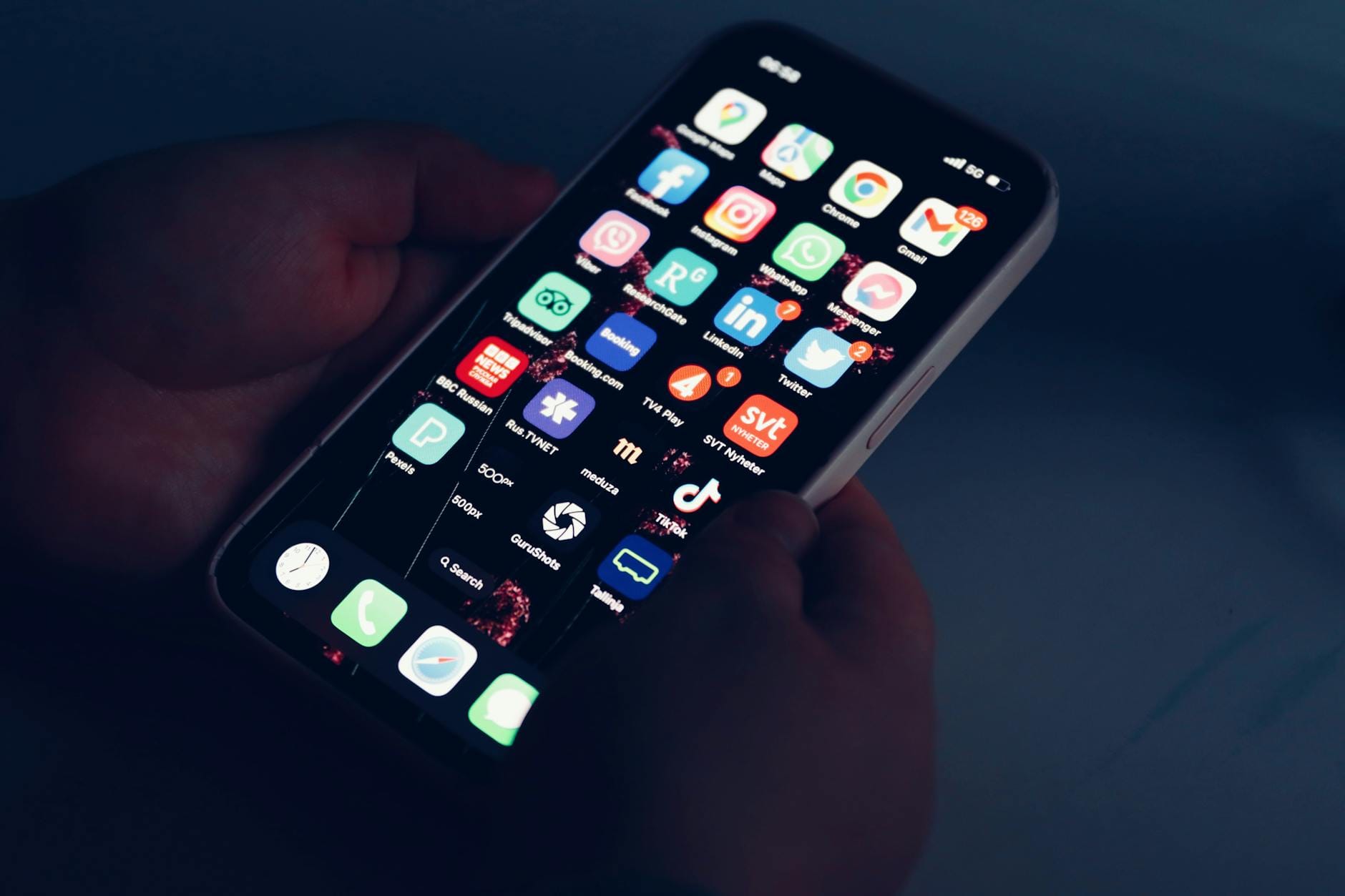
Social media sweepstakes scams cost Americans over $2 billion in recent years. The FTC reports that Facebook, Instagram, and TikTok have become the top platforms where fake giveaways thrive. In 2024 alone, prize and sweepstakes fraud accounted for $301 million in losses. The median victim lost nearly $1,000.
Seniors over age 60 suffered the most. They represented 60 percent of social media sweepstakes fraud victims. These scams use fake celebrity endorsements, counterfeit brand pages, and deepfake videos. They trick people into sharing personal data or paying bogus fees. This guide explains exactly how these scams work and how to protect yourself.
How Social Media Sweepstakes Scams Work on Facebook, Instagram, and TikTok
Scammers create fake pages that impersonate major brands. They copy logos from Walmart, Amazon, and Target. They post flashy giveaway announcements with countdown timers. The posts claim you won a prize you never entered. Facebook accounts for 62 percent of scam reports. TikTok fraud increased 63 percent year over year. Instagram follows closely at 56 percent of reports.
Social media sweepstakes scams follow a predictable pattern. First, a fake account contacts you about a prize. Then they ask for personal information like your address or Social Security number. Finally, they demand an upfront fee for taxes or shipping. The FTC permanently banned operators Matthew Pisoni, Marcus Pradel, and John Leon in 2024. Their scheme stole over $28 million from consumers. They sent personalized letters claiming victims won $2 million or more. Victims paid $20 to $30 fees that led nowhere.
Celebrity impersonation is another growing tactic. In 2025, a deepfake video of Tom Hanks promoted a fake insurance plan. A scammer network in Georgia used deepfakes of well-known public figures to defraud thousands. They stole over $27 million. These social media sweepstakes scams look increasingly real. AI-generated content makes them harder to spot than ever before.
Warning Signs of Social Media Sweepstakes Scams
The National Consumer League ranked prize and sweepstakes scams as the number one scam category in 2024. They accounted for 38 percent of all reported scams. Knowing the red flags can save you thousands. Social media sweepstakes scams share common warning signs that are easy to recognize once you know what to look for.
| Warning Sign | What It Means |
|---|---|
| You won a contest you never entered | Legitimate sweepstakes require entry first |
| Upfront fee required for taxes or shipping | Real prizes never require payment to claim |
| 30-minute countdown timer on the page | Pressure tactics designed to prevent research |
| Account has misspelled brand name or extra underscores | Fake account impersonating a real company |
| Comments are disabled or filled with identical praise | Bot activity hiding negative feedback |
| Request for Social Security number or bank details | Identity theft attempt disguised as verification |
| Poor grammar, blurry logos, or generic stock photos | Low-effort scam page created quickly |
| Message arrives via DM instead of official notification | Brands do not notify winners through random DMs |
Social media sweepstakes scams target older adults disproportionately. The FBI IC3 reports that 42 percent of complainants were over 60. Yet they represented 82 percent of total financial losses. If you have older family members on social media, share these warning signs with them. One conversation could prevent a devastating loss.
The FTC also took action against Publishers Clearing House in April 2025. PCH paid $18.1 million in refunds to 281,724 consumers. The FTC found that PCH used dark patterns and misleading claims. Even well-known companies can cross the line. Always verify any prize notification independently before responding.
How to Report Social Media Sweepstakes Scams
If you encounter social media sweepstakes scams, report them immediately. Your report helps law enforcement track patterns and shut down operations. The FTC enters all complaints into Consumer Sentinel. This secure database serves civil and criminal investigators nationwide. In 2024, FTC enforcement actions returned $338 million to fraud victims.
| Agency | What to Report | Website |
|---|---|---|
| Federal Trade Commission | Any consumer fraud or scam | reportfraud.ftc.gov |
| FBI Internet Crime Complaint Center | Online fraud and cyber crime | ic3.gov |
| Your State Attorney General | State-level consumer complaints | Search your state AG website |
| The social media platform | Fake accounts and scam posts | Use the in-app report button |
Take screenshots before the scam page disappears. Save all messages, emails, and transaction records. Report the fake account directly to Facebook, Instagram, or TikTok. Each platform has a built-in reporting tool. Also contact your bank immediately if you shared financial information. Social media sweepstakes scams move fast. Quick action gives you the best chance of recovering lost funds.
📨 Get Free Sweepstakes Alerts
Free · No spam · Unsubscribe anytime
Your state attorney general office handles local enforcement. Many states maintain consumer protection hotlines. You can also file complaints with the Better Business Bureau Scam Tracker. The more reports filed, the faster these social media sweepstakes scams get shut down. FBI IC3 reported almost $70 million in lottery and sweepstakes losses in 2022 alone. Every report matters.
Frequently Asked Questions
How can I tell if a social media giveaway is legitimate?
Legitimate giveaways come from verified brand accounts with a history of real posts. They never ask for payment, Social Security numbers, or bank details. Check the account creation date and follower count. Real brands post official rules with no-purchase-necessary disclaimers. If a giveaway asks you to pay anything upfront, it is one of the many social media sweepstakes scams circulating online. Visit the brand’s official website to confirm the promotion exists.
What should I do if I already sent money to a sweepstakes scammer?
Contact your bank or credit card company immediately to dispute the charge. File a report at reportfraud.ftc.gov and ic3.gov. Change any passwords you shared. Place a fraud alert on your credit reports through Equifax, Experian, or TransUnion. Social media sweepstakes scams often lead to ongoing contact. Block the scammer and do not respond to follow-up messages claiming you can recover your money.
Why are social media sweepstakes scams increasing so rapidly?
AI tools now generate convincing deepfake videos and realistic fake websites in minutes. Scammers buy targeted ads that reach vulnerable demographics cheaply. Social media platforms struggle to remove fraudulent content fast enough. The FTC documented $2.7 billion in social media scam losses since 2021. Social media sweepstakes scams keep growing because they are low-cost to run and reach millions of potential victims instantly.
Enter More Sweepstakes
Ready to start entering? Browse our curated list of current legitimate sweepstakes with verified entry links.
Official Sources & Resources
- FTC (Federal Trade Commission): Prize Scam Awareness
- IRS (Prize Tax Reporting): IRS Topic 419 — Gambling Income
- FBI IC3 (Internet Crime): ic3.gov
- USA.gov — Scams: usa.gov/scams
Content last reviewed April 2026. If you notice any outdated information, please contact us.