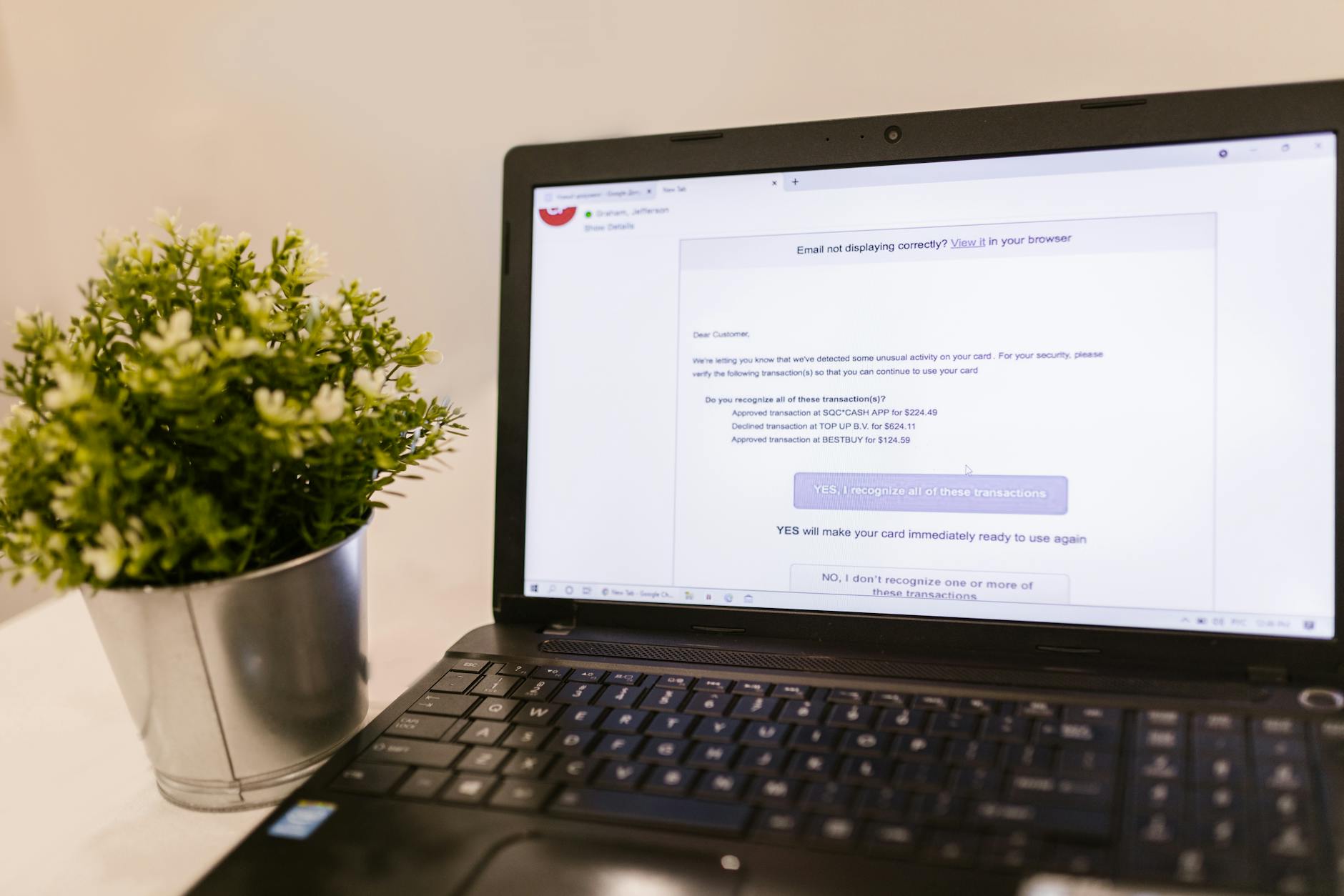
Email sweepstakes scams cost Americans hundreds of millions of dollars every year. According to the FTC Consumer Sentinel Network, consumers reported $351 million in sweepstakes and lottery fraud losses in 2024 alone. These scams arrive in your inbox disguised as prize notifications from well-known companies.
They look official. They use your real name. They even reference purchases you actually made. But the goal is always the same — trick you into sending money or handing over personal information. This guide will help you recognize email sweepstakes scams before they reach your wallet. You will learn the warning signs, the reporting steps, and the facts every sweepstakes fan needs to stay safe.
How Email Sweepstakes Scams Actually Work
Most email sweepstakes scams follow a simple playbook. You receive a message claiming you won a large prize. The amount is usually between $50,000 and $2 million. The email looks professional and includes logos, reference numbers, and official-sounding language. Then comes the catch. To claim your winnings, you must pay a fee first.
Scammers call these fees different things. They might say it covers taxes, processing, customs duties, or shipping. The initial request is often small — between $9 and $139. But victims who pay once are asked again and again. The FTC warns that repeat victims sometimes lose tens of thousands of dollars over several months. Adults over 55 lose an average of $978 per incident. Adults 80 and older lost $13 million in a single quarter of 2024.
Some email sweepstakes scams go further than money. They ask for your Social Security number, bank account details, or copies of your ID. This information fuels identity theft. Scammers sell it on dark web marketplaces or use it to open fraudulent accounts in your name.
Warning Signs of Email Sweepstakes Scams
Knowing the red flags makes email sweepstakes scams easy to spot. Legitimate sweepstakes never require payment to claim a prize. That single rule eliminates nearly every scam. But there are many other warning signs to watch for.
| Warning Sign | What It Means |
|---|---|
| You must pay a fee to claim your prize | Real sweepstakes never charge winners |
| You never entered the contest | You cannot win something you did not enter |
| Sender uses a free email address (Gmail, Yahoo) | Legitimate companies use corporate domains |
| The email creates extreme urgency | Scammers pressure you to act before thinking |
| They ask for your SSN or bank details | No real sweepstakes needs this information upfront |
| Payment requested via gift cards or wire transfer | These methods are untraceable and preferred by scammers |
| Poor grammar and spelling errors | Professional organizations proofread their communications |
| Generic greeting like “Dear Winner” | Real notifications address you by your full legal name |
The FTC took action against a major sweepstakes operation run by Brandes and Graham that sent tens of millions of deceptive mailers. Authorities seized $30 million in cash and assets. Victims were promised up to $2 million in exchange for small fees. In another case, Victor Ramirez ran a scheme that cost consumers over $28 million before the FTC shut it down in 2024.
Even trusted brands have crossed the line. Publishers Clearing House settled with the FTC for $18.5 million after using deceptive tactics that misled consumers about their odds. The FTC later distributed refunds to 281,724 affected consumers. If a household name can face enforcement, imagine what anonymous email senders are willing to do.
How to Report Email Sweepstakes Scams
If you receive a suspicious prize notification, do not respond to it. Do not click any links. Do not send money. Instead, report it immediately. Your report helps law enforcement track scam networks and protect other consumers. The received over one million fraud complaints in 2025. Total losses exceeded $20 billion. Every report matters.
| Agency | What to Report | How to File |
|---|---|---|
| Federal Trade Commission | Any sweepstakes or prize scam | reportfraud.ftc.gov |
| FBI IC3 | Internet-based fraud and advance fee schemes | ic3.gov |
| State Attorney General | Scams targeting residents of your state | Search “[your state] attorney general consumer protection” |
| Your email provider | Phishing and spam emails | Use the “Report phishing” or “Report spam” button |
Florida residents face especially high risk. The state recorded over 2,070 scam reports per million residents, with total losses of $66.3 million. If you live in Florida, you can contact the attorney general’s consumer protection line at 1-866-9-NO-SCAM. Every state has a similar office ready to help.
📨 Get Free Sweepstakes Alerts
Free · No spam · Unsubscribe anytime
If you already sent money to email sweepstakes scams, contact your bank immediately. Request a chargeback if you paid by credit card. Report the transaction to the payment platform. Be aware that recovery scams also exist. The FBI logged 10,516 complaints about scammers who pretend to help fraud victims recover lost money. They charge upfront fees and disappear. No legitimate agency charges you to recover stolen funds.
Frequently Asked Questions
Can I really win a sweepstakes through email?
Legitimate sweepstakes do notify winners by email sometimes. However, they will never ask you to pay fees, buy gift cards, or share your Social Security number. Real winners are also contacted by phone or certified mail. If the only notification you received is an email asking for money, you are looking at one of many email sweepstakes scams. Always verify by contacting the sponsoring company directly through their official website.
What should I do if I already gave my personal information to a scammer?
Act fast. Place a fraud alert on your credit reports through Equifax, Experian, or TransUnion. Monitor your bank statements daily. File an identity theft report at IdentityTheft.gov. Change passwords on any accounts that share the same credentials. Consider a credit freeze to prevent new accounts from being opened. Email sweepstakes scams that harvest personal data can lead to ongoing identity theft for months or years.
Why do email sweepstakes scams target older adults more often?
Scammers target older adults because they tend to have more savings and are often more trusting of official-looking communications. The FTC found that adults over 55 lose an average of $978 per scam incident, compared to $279 for younger adults. Older adults may also be less familiar with digital red flags. If you have an older family member who enters sweepstakes online, talk to them about these risks. Share this guide so they can recognize email sweepstakes scams before any damage is done.
Enter More Sweepstakes
Ready to start entering? Browse our curated list of current legitimate sweepstakes with verified entry links.
Official Sources & Resources
- FTC (Federal Trade Commission): Prize Scam Awareness
- IRS (Prize Tax Reporting): IRS Topic 419 — Gambling Income
- FBI IC3 (Internet Crime): ic3.gov
- USA.gov — Scams: usa.gov/scams
Content last reviewed April 2026. If you notice any outdated information, please contact us.