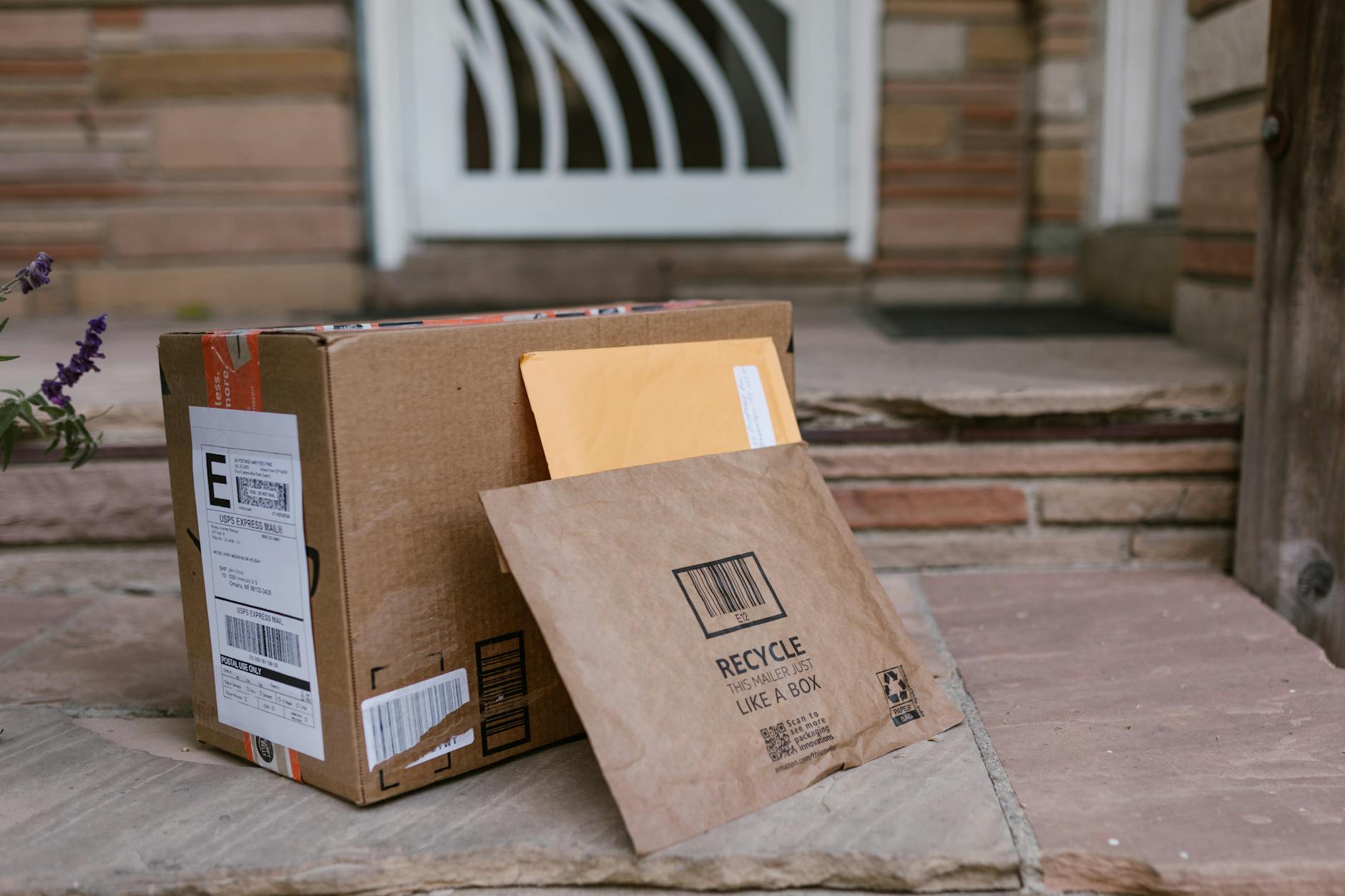
Unclaimed sweepstakes prizes are more common than most people realize. Every year, legitimate contest winners fail to collect rewards worth thousands of dollars. Sometimes the notification lands in a spam folder. Other times, winners assume the message is a scam and delete it.
According to reporting from the Associated Press, more than $800 million in lottery and sweepstakes prizes went unclaimed in a single year. That is real money left on the table by real winners. Meanwhile, scammers exploit this confusion by sending fake “unclaimed prize” notices designed to steal your money and personal information. The FTC reports that Americans lost $301 million to prize, sweepstakes, and lottery scams, with a median individual loss of $907. Understanding what really happens with unclaimed sweepstakes prizes helps you tell the difference between a missed opportunity and a dangerous fraud.
Why Legitimate Sweepstakes Prizes Go Unclaimed
There are several honest reasons why unclaimed sweepstakes prizes pile up each year. The most common is simple: winners never see the notification. Email win notices often land in spam or promotions folders. Physical mail gets lost or thrown away unopened. Some winners have moved and never updated their contact information with the sponsor.
Suspicion also plays a major role. After years of hearing about scams, many people distrust any message claiming they won something. They delete legitimate notifications without reading them carefully. In April 2025, the FTC sent $18 million in refunds to consumers misled by Publishers Clearing House. Stories like that make people skeptical of even real prizes.
When unclaimed sweepstakes prizes are not collected within the stated deadline, sponsors follow their official rules. Most companies select an alternate winner through a second random drawing. Some donate the prize value to charity. Others simply retain the prize. Every legitimate sweepstakes must disclose these procedures in its official rules document.
Warning Signs: Unclaimed Sweepstakes Prizes Scams vs. Real Wins
Scammers love the phrase “unclaimed sweepstakes prizes” because it creates urgency and excitement. They send emails, letters, and phone calls claiming you won a prize that is about to expire. The goal is always the same: get your money or personal data. In 2024, the FTC shut down a sweepstakes scheme that stole $28 million from consumers. The FBI’s Internet Crime Complaint Center received over one million fraud complaints in 2025 alone, totaling $20.8 billion in losses across all categories.
Use this table to spot the difference between a real win and a scam involving unclaimed sweepstakes prizes:
| Warning Sign | What Scammers Do | What Legitimate Sponsors Do |
|---|---|---|
| Upfront fees | Demand payment for taxes, shipping, or processing before releasing the prize | Never ask winners to pay anything upfront |
| Entry requirement | Claim you won a contest you never entered | Only contact people who actually entered |
| Urgency and pressure | Say the prize expires in 24 hours or less | Give winners 7 to 14 days to respond |
| Payment method | Request wire transfers, gift cards, or cryptocurrency | Never ask for unusual payment methods |
| Personal data requests | Ask for Social Security numbers or bank account details immediately | Only collect tax information after verifying the winner |
| Contact method | Use generic email addresses or untraceable phone numbers | Use official company email domains and verifiable phone numbers |
If someone contacts you about unclaimed sweepstakes prizes and asks for money, stop immediately. No legitimate sweepstakes requires payment to claim a prize. This is federal law under the Deceptive Mail Prevention and Enforcement Act.
How to Verify a Win and Report Unclaimed Sweepstakes Prizes Scams
If you receive a notice about unclaimed sweepstakes prizes, verify it before responding. Search for the company name online. Check their official website for winner announcements. Look for the original contest rules. Contact the company directly using a phone number you find yourself, not one provided in the notice. Legitimate sponsors will confirm your win without asking for payment.
If you determine the notice is a scam, report it immediately. File a complaint with the FTC at ReportFraud.ftc.gov or call 1-877-FTC-HELP (1-877-382-4357). Report internet-based fraud to the . Contact your state attorney general’s consumer protection office for local assistance. If you shared financial information, contact your bank immediately and visit IdentityTheft.gov for a recovery plan.
📨 Get Free Sweepstakes Alerts
Free · No spam · Unsubscribe anytime
To protect yourself from scams involving unclaimed sweepstakes prizes, keep a record of every contest you enter. Use a dedicated email address for sweepstakes entries. Check your spam folder regularly for legitimate notifications. Set calendar reminders for contests with known drawing dates. These simple habits help you claim real prizes and ignore fake ones.
| Agency | What to Report | Contact |
|---|---|---|
| Federal Trade Commission | All prize and sweepstakes scams | ReportFraud.ftc.gov / 1-877-382-4357 |
| FBI IC3 | Internet-based sweepstakes fraud | ic3.gov |
| State Attorney General | Local consumer fraud complaints | usa.gov/state-consumer |
| FTC Identity Theft | Compromised personal or financial data | IdentityTheft.gov |
Frequently Asked Questions
What happens to unclaimed sweepstakes prizes if nobody responds?
When unclaimed sweepstakes prizes go uncollected, the sponsor follows procedures outlined in the official rules. Most companies draw an alternate winner. Some donate the prize to charity or retain its value. Winners typically have 7 to 14 days to respond before the sponsor moves on. Always check your email spam folder and physical mail carefully during active contest periods.
Can someone really contact me about unclaimed sweepstakes prizes I forgot about?
Yes, but only if you actually entered the sweepstakes. Legitimate sponsors contact winners using the information provided at entry. They will never ask for payment or sensitive financial data upfront. If you do not remember entering, treat the notice with extreme caution. Verify the company independently before sharing any personal information.
How do I know if a notice about unclaimed sweepstakes prizes is a scam?
The biggest red flag is any request for money. Legitimate sweepstakes never require fees to claim a prize. Other warning signs include pressure to act immediately, requests for wire transfers or gift cards, and contact from contests you never entered. Report suspicious notices to the FTC at ReportFraud.ftc.gov right away.
Enter More Sweepstakes
Ready to start entering? Browse our curated list of current legitimate sweepstakes with verified entry links.
Official Sources & Resources
- FTC (Federal Trade Commission): Prize Scam Awareness
- IRS (Prize Tax Reporting): IRS Topic 419 — Gambling Income
- FBI IC3 (Internet Crime): ic3.gov
- USA.gov — Scams: usa.gov/scams
Content last reviewed April 2026. If you notice any outdated information, please contact us.