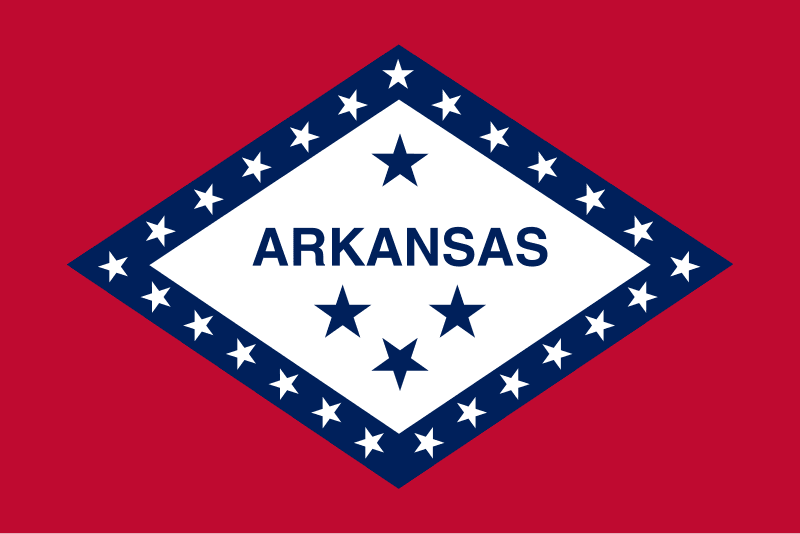
Arkansas sweepstakes laws protect consumers from deceptive prize promotions. The state relies on several key statutes to regulate how sweepstakes operate. The Arkansas Prize Promotion Act (A.C.A. § 4-102-101 through § 4-102-109) is the primary law governing these promotions. It requires clear disclosures and prohibits misleading tactics.
Arkansas also enforces its Deceptive Trade Practices Act against fraudulent promotions. The state does not require sweepstakes registration or bonding. However, promoters must still follow strict rules about prize disclosure and consumer protection. Federal guidelines from the FTC also apply to every sweepstakes that reaches Arkansas residents. Understanding these combined state and federal requirements is essential for both consumers and sponsors.
Arkansas Sweepstakes Registration and Bonding Requirements
Arkansas sweepstakes laws do not require promoters to register with the state. This sets Arkansas apart from states like New York, Florida, and Rhode Island. Those states require formal registration and surety bonds for promotions with prizes above $5,000. In Arkansas, no such threshold exists. Sponsors do not need to file paperwork or post a bond before launching a sweepstakes.
However, this lack of registration does not mean anything goes. Arkansas sweepstakes laws still impose requirements through the Prize Promotion Act. Promoters must provide written disclosure of all material terms. They must also comply with the Arkansas Deceptive Trade Practices Act (A.C.A. § 4-88-107). Violating these rules can result in civil penalties of up to $10,000 per violation. Willful violations constitute a Class A misdemeanor.
For example, the state has pursued enforcement actions against international sweepstakes fraud schemes. The Arkansas Attorney General’s Consumer Protection Division actively monitors sweepstakes activity. In most cases, legitimate promoters avoid issues by following disclosure rules and offering genuine free entry methods.
Arkansas Sweepstakes Laws: Prize Disclosure and Tax Rules
Under the Arkansas Prize Promotion Act (A.C.A. § 4-102-106), promoters must clearly disclose all material terms. This includes entry methods, odds of winning, eligibility criteria, and prize details. Prizes must be awarded no later than 30 days after selecting a winner. Promoters cannot falsely claim a person has been “specially selected” or is a guaranteed winner. These Arkansas sweepstakes laws exist because consumers have lost hundreds of thousands of dollars to misleading promotions.
Sweepstakes winnings are taxable in Arkansas. The state’s top income tax rate is 3.9% as of 2025. This rate applies to most significant prize amounts. At the federal level, the IRS withholds 24% on winnings over $5,000. Winners receiving $600 or more in prizes will receive an IRS Form W-2G or 1099-MISC for reporting purposes. Arkansas does not impose city or county income taxes on winnings. As a result, winners deal with only state and federal taxes.
| Regulation | Arkansas Requirement |
|---|---|
| Sweepstakes Registration | Not required |
| Surety Bond | Not required |
| Governing Statute | Prize Promotion Act (A.C.A. § 4-102-101 to § 4-102-109) |
| State Income Tax on Winnings | Up to 3.9% |
| Federal Tax Withholding | 24% on winnings over $5,000 |
| W-2G/1099 Reporting Threshold | $600 (federal) |
| Prize Award Deadline | Within 30 days of winner selection |
| Civil Penalty per Violation | Up to $10,000 |
| No-Purchase-Necessary | Required (illegal lottery without it) |
| Consumer Protection Enforcement | Arkansas Attorney General |
Consumer Protection in Arkansas
The Arkansas Attorney General enforces Arkansas sweepstakes laws through the Consumer Protection Division. This office investigates complaints about fraudulent or misleading prize promotions. Under A.C.A. § 4-88-113, the Attorney General can file civil enforcement actions. These actions may seek restitution for affected consumers and injunctions against violators. Consumers also have a private right of action to sue for damages.
The Arkansas Deceptive Trade Practices Act provides broad protection. It prohibits false representations about goods or services. It also includes a catch-all provision against any “unconscionable, false, or deceptive act” in commerce. Typically, sweepstakes scams fall under this broad language. Penalties include fines of up to $10,000 per violation paid to the state. The Attorney General has used these tools against international fraud schemes targeting Arkansas residents.
To report a suspicious sweepstakes, consumers can contact the Consumer Protection Division. They can call toll-free at (800) 482-8982. They can also email [email protected]. An online complaint form is available on the Attorney General’s website. For phone-based scams, a separate Robocall and Scam Call Reporting Form exists. Filing promptly helps the state build cases against repeat offenders.
No-Purchase-Necessary Rules in Arkansas
Arkansas sweepstakes laws follow the standard three-element lottery test. An illegal lottery requires three elements: prize, chance, and consideration. Consideration means a purchase or payment. Legal sweepstakes eliminate consideration by offering a free method of entry. If all three elements are present, the promotion is an illegal lottery under A.C.A. § 5-66-118.
The penalties for running an illegal lottery are severe. A first offense carries fines up to $10,000. A second or subsequent offense is a Class D felony. For example, a promotion that requires a purchase to enter and awards prizes by random drawing would violate Arkansas sweepstakes laws. Sponsors must always provide an Alternative Means of Entry (AMOE) that requires no purchase.
📨 Get Free Sweepstakes Alerts
Free · No spam · Unsubscribe anytime
The free entry method must be genuinely equal to the paid method. It cannot be buried in fine print or made unreasonably difficult. In most cases, sponsors offer a mail-in entry or online form as the free alternative. The Arkansas Prize Promotion Act also prohibits falsely representing that multiple purchases increase chances of winning. This rule applies unless additional entries genuinely do improve odds.
Running a Sweepstakes in Arkansas: Compliance Checklist
Sponsors targeting Arkansas residents should follow a clear compliance plan. First, ensure the promotion includes a genuine no-purchase-necessary entry method. This is the most fundamental requirement under Arkansas sweepstakes laws. Without it, the promotion becomes an illegal lottery. Draft complete official rules that disclose all material terms clearly.
Second, review all promotional materials for compliance with A.C.A. § 4-102-105. Do not claim participants have been “specially selected.” Do not imply urgency unless a genuine deadline exists. Do not misrepresent the odds of winning. All disclosures must be clear and conspicuous. Award all prizes within 30 days of selecting winners. Keep records of winner selection and prize fulfillment.
Third, comply with federal requirements alongside Arkansas sweepstakes laws. Follow FTC advertising guidelines for truthful promotion. Collect winner tax information for IRS reporting on prizes of $600 or more. Withhold 24% federal tax on prizes exceeding $5,000. Inform winners that Arkansas state income tax of up to 3.9% applies. Typically, consulting with a promotions attorney before launch prevents costly mistakes.
Frequently Asked Questions
Are sweepstakes legal in Arkansas?
Yes, sweepstakes are legal in Arkansas when they comply with state and federal law. The key requirement is offering a free entry method so the promotion does not constitute an illegal lottery. Sponsors must also follow the Arkansas Prize Promotion Act’s disclosure requirements.
Do I have to pay taxes on sweepstakes winnings in Arkansas?
Yes, sweepstakes winnings are taxable income in Arkansas. The state’s top income tax rate is 3.9%. The federal government also withholds 24% on winnings over $5,000. Winners should report all prizes on their tax returns.
How do I report a sweepstakes scam in Arkansas?
Contact the Arkansas Attorney General’s Consumer Protection Division. Call toll-free at (800) 482-8982 or email [email protected]. You can also file a complaint online at arkansasag.gov/file-a-complaint.
Enter More Sweepstakes
Ready to start entering? Browse our curated list of current legitimate sweepstakes with verified entry links.
Official Sources & Resources
- FTC (Federal Trade Commission): Prize Scam Awareness
- IRS (Prize Tax Reporting): IRS Topic 419 — Gambling Income
- FBI IC3 (Internet Crime): ic3.gov
- USA.gov — Scams: usa.gov/scams
Content last reviewed April 2026. If you notice any outdated information, please contact us.