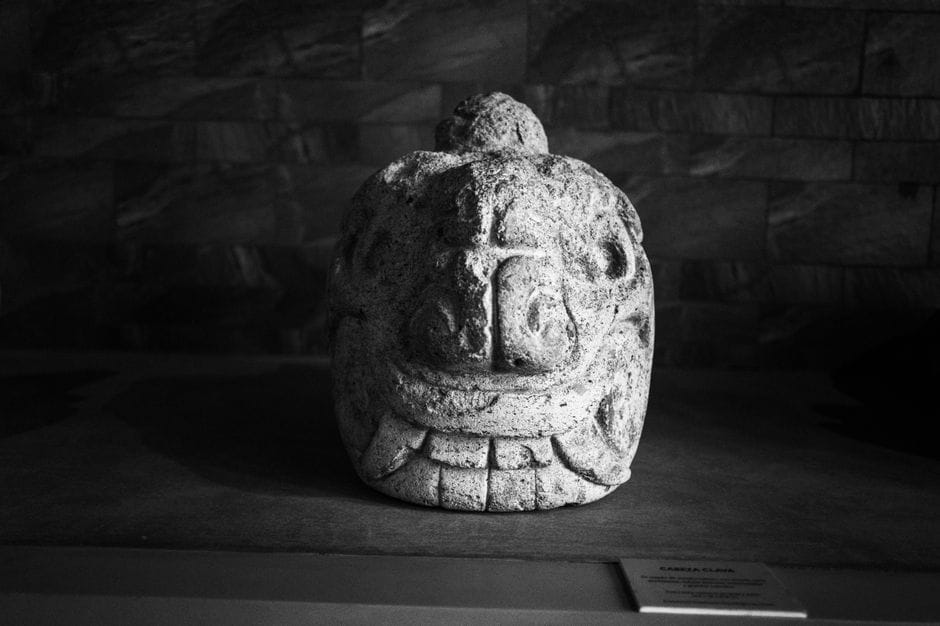
Arrowhead hunting is legal in most places only under a narrow set of conditions: you generally need the landowner’s permission on private land, and on federal land the default rule is that you may not remove artifacts at all. There is one famous exception — federal law carves out arrowheads lying on the surface from a specific set of penalties — but that exception is much smaller than collectors think, and it does not make picking up an arrowhead on federal property lawful.
- What federal law says about arrowhead hunting on public land
- The arrowhead exception almost everyone misreads
- How arrowhead hunting rules compare by land type
- State, county, and reservoir land: where it varies
- Arrowhead hunting on private land
- Burials and human remains: the line that never moves
- What most people get wrong about arrowhead hunting
- How to do this the careful way
- Frequently Asked Questions
Here is the short version. Under the Archaeological Resources Protection Act of 1979 (ARPA), it is illegal to excavate, remove, damage, or traffic in archaeological resources on federal or tribal land without a permit, and the National Park Service describes an archaeological resource as material remains of past human life more than 100 years old. Arrowheads, pottery, and stone tools all qualify. Separately, 16 U.S.C. 470ee(g) says no ARPA penalty may be assessed for removing an arrowhead located on the surface of the ground.
Those two facts coexist, and understanding why is the whole point of this guide.
The rest depends on who owns the dirt under your boots. Federal land, state land, Army Corps of Engineers reservoir shoreline, tribal land, and private land are five different legal worlds. This guide walks through each one, shows you what changes, and tells you exactly which agency to call when a rule turns out to be state-specific. Rules genuinely vary by state, and we will flag every place they do rather than guess a number for you.
What federal law says about arrowhead hunting on public land
ARPA is the main federal statute. According to the National Park Service, it prohibits excavating, removing, damaging, altering, or defacing archaeological resources on federal and Indian lands without a permit, and it also bans trafficking in resources taken illegally.
The penalties are real. NPS materials describe first-time felony offenders facing fines up to $20,000 and up to one year in prison, with second offenses reaching fines up to $100,000 and up to five years. Vehicles, tools, and equipment used in a violation can be seized and forfeited.
The older Antiquities Act of 1906 still exists alongside ARPA. Its criminal provision is a misdemeanor carrying a fine of up to $500, imprisonment of up to 90 days, or both, for appropriating, excavating, injuring, or destroying any historic or prehistoric ruin on federally controlled land.
The arrowhead exception almost everyone misreads
Section 470ee(g) of ARPA states that nothing in the penalty subsection applies to a person removing arrowheads located on the surface of the ground, and that no penalty shall be assessed under that section for such removal. Collectors sometimes call this the “Jimmy Carter clause.”
Read it carefully. It removes one statute’s penalties. It does not grant permission. Federal land managers still prohibit surface collection through their own regulations — the Bureau of Land Management points to 43 CFR 8365.1-5, and the National Park Service prohibits removing or possessing cultural and archaeological resources under 36 CFR 2.1.
So you can be cited under a different rule, or investigated for theft of government property, even though ARPA’s own penalty clause is off the table. The practical takeaway for arrowhead hunting on federal land is simple: leave it where it lies, photograph it, and report the location to the agency archaeologist.
How arrowhead hunting rules compare by land type
| Land type | Who sets the rule | General default for collecting |
|---|---|---|
| National park or monument | National Park Service, 36 CFR 2.1 | Prohibited; leave in place |
| BLM public land | BLM, 43 CFR 8365.1-5 and FLPMA | Prohibited; leave in place |
| National forest | U.S. Forest Service regulations | Prohibited; check the forest’s own guidance |
| Army Corps reservoir land | Corps of Engineers, 36 CFR 327 | Prohibited; violations carry fines up to $5,000 or up to 6 months |
| Tribal land | The tribe, plus ARPA | Prohibited without tribal permission |
| State or county land | State statute and agency rules | Varies widely — verify with the state |
| Private land | The owner, plus state burial law | Generally allowed with permission; burial law still applies |
State, county, and reservoir land: where it varies
State rules are not uniform and we will not invent a figure for yours. Some states require written landowner permission before any collecting, some prohibit using any tool without a state permit, and some restrict state park and state trust land entirely.
To verify your state, contact your State Historic Preservation Office or the State Archaeologist. Both are public offices, both answer questions from collectors, and both can tell you what a specific parcel is classified as. For county or municipal parks, call the parks department directly — those often have their own ordinances.
Reservoir shorelines confuse a lot of people. Drawdown exposes gravel bars that look like open ground, but the land is usually federal, managed by the Army Corps of Engineers under 36 CFR 327, where a violation can bring a fine of not more than $5,000 or imprisonment of not more than six months.
Arrowhead hunting on private land
Private land is where legal collecting mostly happens. Artifacts found on private property generally belong to the landowner, so the first step in any private-land arrowhead hunting trip is getting the owner’s permission — ideally in writing, with the date and the specific fields covered.
Several states go further and require written permission by statute, and at least one restricts tool use on private land without a state permit. Because that requirement varies, confirm it with your State Historic Preservation Office before you assume a handshake is enough.
📨 Get Free Sweepstakes Alerts
Free · No spam · Unsubscribe anytime
Written permission also protects you. Trespassing charges do not care what you were looking for, and a signed note in your truck settles the question quickly if a deputy asks. Ask about access roads, gates, and whether the owner wants to see what you find.
Burials and human remains: the line that never moves
Do not dig burial mounds, and do not dig anywhere you suspect human remains — including on land you own. The Native American Graves Protection and Repatriation Act, signed in 1990, governs human remains, funerary objects, sacred objects, and objects of cultural patrimony on federal and tribal land, and it sets repatriation duties for federal agencies and institutions receiving federal funds.
NAGPRA generally does not reach a private landowner directly, but according to National Park Service guidance, remains or cultural items taken from private or state land can still fall under NAGPRA later depending on who ends up holding them. State laws fill the gap — many states have unmarked-burial statutes with criminal penalties.
If you uncover bone, stop immediately, do not move anything further, and contact local law enforcement and your State Archaeologist. That reporting expectation exists in most states, though the exact procedure varies, so ask your state office how it works where you live.
What most people get wrong about arrowhead hunting
- “The surface exception means it’s legal.” It means ARPA’s penalty subsection does not apply. Other regulations still prohibit removal on federal land.
- “National forest is public, so it’s fair game.” Public ownership is exactly what triggers the federal rules.
- “Under 100 years old, so it doesn’t count.” Age matters for the ARPA definition, but stone points are almost never modern, and other rules apply regardless.
- “A creek bed isn’t really land.” Streambeds and shorelines have owners, often the federal government or the state.
- “Digging a little is the same as surface finds.” Every framework treats excavation more seriously than surface observation.
- “Selling what I legally own is always fine.” Trafficking rules turn on how an item was obtained, and provenance documentation matters.
How to do this the careful way
- Identify the exact ownership of the parcel before you go. County GIS parcel maps are free and usually accurate.
- If it is federal, plan on looking, not taking. Photograph, drop a GPS pin, report it.
- If it is state or county, call the State Historic Preservation Office and the managing agency first.
- If it is private, get dated written permission that names the property.
- Stay on the surface. Do not dig, screen, or use a probe unless state law and the owner both clearly allow it.
- Keep a simple find log: date, county, general location, and permission on file.
- Stop and report immediately if you encounter human remains or a burial feature.
Responsible arrowhead hunting comes down to knowing the parcel, keeping permission in writing, and accepting that federal ground is for looking. Archaeologists will tell you the same thing collectors’ groups do: a point removed without context loses most of what it could have told anyone. Recorded finds get added to real site records.
Frequently Asked Questions
Is arrowhead hunting illegal on federal land?
Removing artifacts from federal land without a permit is prohibited under ARPA, and land-management regulations such as 36 CFR 2.1 and 43 CFR 8365.1-5 prohibit removal too. ARPA’s own penalty clause does not apply to surface arrowheads, but that is not permission — you can still be cited under other authorities.
Can I keep arrowheads I find on my own property?
Generally yes, artifacts on private land belong to the landowner, and federal ARPA rules apply to federal and tribal land rather than your backyard. But burial protections still apply, and some states impose additional requirements. Confirm with your State Historic Preservation Office.
What happens if I find human remains while arrowhead hunting?
Stop, leave everything in place, and contact local law enforcement and your State Archaeologist. NAGPRA, enacted in 1990, governs remains and cultural items on federal and tribal land, and most states have their own unmarked-burial statutes. Reporting procedures vary by state.
Can I sell arrowheads I found legally?
ARPA prohibits trafficking in archaeological resources removed illegally from federal or tribal land, so lawful ownership and documentation matter. Legally collected private-land finds are commonly bought and sold, but state rules and buyer requirements vary. Keep permission letters and find records, and ask a qualified attorney about your specific situation.
Want to put this knowledge to work?
Know the Rules Where You Live
Sweepstakes and prize rules change from state to state — what a sponsor can offer, how prizes are handled, and what protections you have. Pick your state to see the exact rules that apply where you live.
See Sweepstakes Laws in All 50 States →
Sources & How to Verify
The facts on this page are drawn from official government and primary sources. Rules and figures change, so always confirm the current details with the official agency or the promotion’s own published rules.
- FTC Consumer Advice: consumer.ftc.gov — prize, sweepstakes, and lottery scam guidance
- IRS: irs.gov — how prizes and winnings are treated as income
- Social Security Administration: ssa.gov — what SSI recipients must report
- The promotion’s official rules: every legitimate sweepstakes publishes them — the rules page is always the final word
Content last reviewed August 2026. If you notice outdated information, please contact us.
You May Also Like
Related Guides
- Sweepstakes Laws by State (50-State Guide)
- More in This Category
- Sweepstakes Resources
- Scam Checks
- Sweepstakes Tax Calculator
- All Active Sweepstakes
Informational only — not legal, tax, or financial advice. Win Big Daily is an independent educational resource. Prize rules, tax treatment, and benefit-program requirements vary by state and program and change over time, so always verify the current details with the official agency, the promotion’s published rules, or a qualified professional before acting. If a topic involves government benefits, contact the program office about your specific situation.