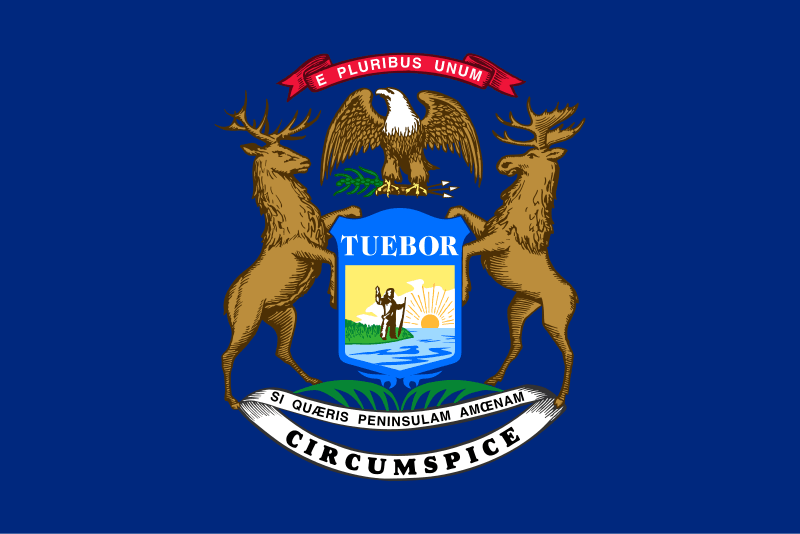
Michigan sweepstakes laws govern how promotional giveaways operate within the state. These laws protect consumers from deceptive practices. They also ensure fair treatment for all participants. Michigan relies on a combination of state statutes to regulate sweepstakes. The Michigan Penal Code (MCL 750.372) broadly prohibits gambling activities. The Table of Contents
legislature.mi.gov/documents/mcl/pdf/mcl-act-331-of-1976.pdf”>Michigan Consumer Protection Act (MCL 445.901 et seq.) addresses unfair business practices. Together, these statutes create the framework for legal sweepstakes in Michigan. Unlike states such as New York, Florida, and Rhode Island, Michigan does not require sweepstakes registration or bonding. However, sponsors must still follow strict rules. Understanding Michigan sweepstakes laws is essential for both participants and promoters. Violations can lead to criminal charges and civil penalties.
Michigan Sweepstakes Registration and Bonding Requirements
Michigan does not require sweepstakes sponsors to register promotions with the state. There is no bonding requirement for prize pools of any size. This sets Michigan apart from states like New York and Florida. Those states require registration and surety bonds for promotions exceeding $5,000 in prizes. In Michigan, sponsors face fewer administrative hurdles before launching a sweepstakes.
However, the absence of registration requirements does not mean anything goes. Michigan sweepstakes laws still apply through other statutes. Sponsors must comply with the Michigan Penal Code and Consumer Protection Act. They should also maintain detailed records of all entries and winners. For example, keeping documentation of prize distributions can help prove compliance if questions arise later.
Additionally, federal regulations from the Federal Trade Commission (FTC) apply to all sweepstakes in Michigan. The FTC requires clear disclosures and prohibits misleading marketing. As a result, sponsors should treat compliance as a multi-layered obligation. State and federal rules work together to protect Michigan consumers.
Michigan Sweepstakes Laws: Prize Disclosure and Tax Rules
Michigan sweepstakes laws require sponsors to disclose all material terms clearly. This includes eligibility requirements, entry methods, odds of winning, and prize descriptions. Failing to provide these disclosures can violate the Michigan Consumer Protection Act. The Michigan Attorney General can take action against sponsors who hide important details.
Sweepstakes winnings are taxable in Michigan. The state income tax rate is 4.25% on gambling and lottery winnings. Federal law requires reporting prizes worth $600 or more on a 1099-MISC form. For winnings exceeding $5,000, gaming establishments must withhold 25% for federal taxes. Michigan allows an exclusion of the first $300 in gambling winnings from total household resources. Winners should plan for these tax obligations carefully.
| Regulation | Michigan Requirement |
|---|---|
| Sweepstakes Registration | Not required |
| Surety Bond | Not required |
| State Income Tax on Winnings | 4.25% |
| Federal Reporting Threshold | $600 (1099-MISC required) |
| Federal Withholding Threshold | $5,000 (25% withheld) |
| Gambling Winnings Exclusion | First $300 excluded from household resources |
| No-Purchase-Necessary | Strictly required |
| Governing Statutes | MCL 750.372, MCL 445.901 et seq. |
| Enforcement Agency | Michigan Attorney General |
Consumer Protection in Michigan
The Michigan Attorney General plays a central role in enforcing Michigan sweepstakes laws. The Consumer Protection Division investigates complaints about deceptive promotions. It can issue cease-and-desist orders against violators. The AG can also seek injunctive relief and restitution for harmed consumers. In most cases, enforcement begins with a consumer complaint.
The Michigan Attorney General’s office regularly issues consumer alerts about sweepstakes scams. These alerts warn residents about common fraud tactics. For example, scammers often claim you must pay taxes or fees to collect a prize. Legitimate sweepstakes never require payment to claim winnings. Michigan residents should treat any such request as a red flag.
To report a suspicious sweepstakes in Michigan, consumers can file a complaint with the Attorney General. Reports can be submitted online, by phone at 877-765-8388, or by mail to P.O. Box 30213, Lansing, MI 48909. After filing, the AG assigns a file number and attempts informal mediation. The business receives a copy of the complaint and has 30 days to respond.
No-Purchase-Necessary Rules in Michigan
Michigan sweepstakes laws strictly enforce the no-purchase-necessary requirement. This rule is central to keeping sweepstakes legal. Under the three-element test, an illegal lottery contains prize, chance, and consideration. Legal sweepstakes eliminate consideration by offering free entry. Any promotion requiring payment to enter becomes an illegal lottery under Michigan law.
Michigan takes a notably strict approach to what counts as consideration. Typically, consideration means paying money. However, Michigan also treats non-monetary actions as potential consideration. For example, requiring a visit to a retail store — even without a purchase — may constitute consideration. This interpretation is stricter than many other states. Sponsors should always provide a genuinely free alternative method of entry.
📨 Get Free Sweepstakes Alerts
Free · No spam · Unsubscribe anytime
All participants must receive equal treatment regardless of entry method. A person who enters for free must have the same odds as someone who made a purchase. Michigan sweepstakes laws do not allow sponsors to give preferential treatment to paying customers. As a result, official rules should clearly state that no purchase increases the chances of winning.
Running a Sweepstakes in Michigan: Compliance Checklist
Sponsors targeting Michigan residents should follow a clear compliance process. First, draft official rules that include all material terms. These must cover eligibility, entry methods, prize descriptions, odds, and winner selection dates. Michigan sweepstakes laws require transparency at every stage. Rules should be easy to find and written in plain language.
Second, ensure the promotion offers a free method of entry. This method must be genuinely accessible and clearly disclosed. Do not require store visits, phone calls to premium numbers, or any form of payment. Michigan sweepstakes laws treat even indirect consideration as potentially illegal. In most cases, offering an online or mail-in entry method satisfies this requirement.
Third, be aware of restricted categories. Michigan prohibits tobacco-related sweepstakes promotions. Cannabis products cannot be awarded as prizes. Sponsors should also comply with FTC guidelines on truthful advertising. Finally, maintain records of all entries, winners, and prize fulfillment. These records demonstrate compliance if the Michigan Attorney General investigates. Following Michigan sweepstakes laws protects both sponsors and participants.
Frequently Asked Questions
Are sweepstakes legal in Michigan?
Yes, sweepstakes are legal in Michigan when they follow state and federal rules. The promotion must offer free entry and cannot require a purchase. Michigan sweepstakes laws make any promotion with prize, chance, and consideration an illegal lottery.
Do I have to pay taxes on sweepstakes winnings in Michigan?
Yes, sweepstakes winnings are subject to Michigan’s 4.25% state income tax. Federal taxes also apply to prizes worth $600 or more. Winners of prizes exceeding $5,000 face automatic 25% federal withholding.
How do I report a sweepstakes scam in Michigan?
Contact the Michigan Attorney General’s Consumer Protection Division. You can file a complaint online at michigan.gov/ag/complaints or call 877-765-8388. Never send money to claim a prize — legitimate sweepstakes do not require payment.
Enter More Sweepstakes
Ready to start entering? Browse our curated list of current legitimate sweepstakes with verified entry links.
Official Sources & Resources
- FTC (Federal Trade Commission): Prize Scam Awareness
- IRS (Prize Tax Reporting): IRS Topic 419 — Gambling Income
- FBI IC3 (Internet Crime): ic3.gov
- USA.gov — Scams: usa.gov/scams
Content last reviewed April 2026. If you notice any outdated information, please contact us.
You May Also Like
Related Guides
- Browse All Sweepstakes
- Sweepstakes Laws by State
- All Sweepstakes Resources
- State Law Guides
- Sweepstakes Resources