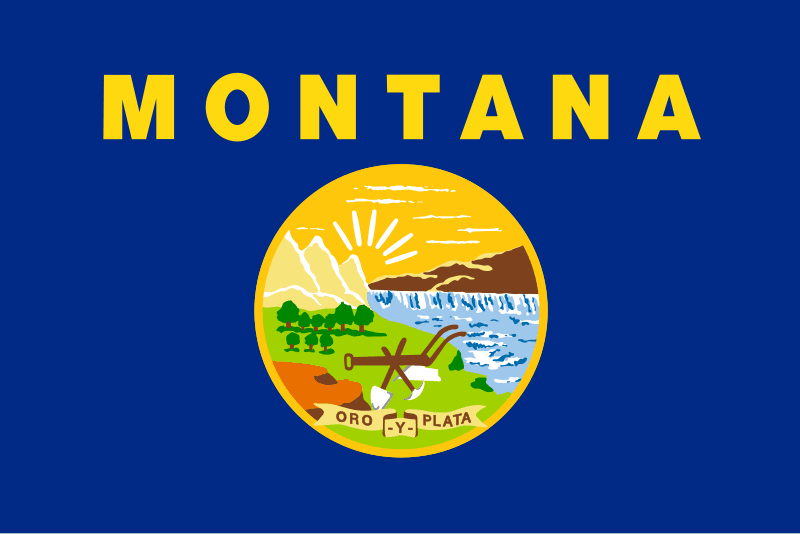
Montana sweepstakes laws govern how promotional giveaways and contests operate within the Treasure State. These laws protect consumers from deceptive practices. They also create a clear framework for legitimate promotions. Montana does not have a standalone sweepstakes statute. Instead, the state relies on its gambling laws under MCA Title 23, Chapter 5. It also uses the Montana Unfair Trade Practices and Consumer Protection Act under MCA Title 30, Chapter 14.
Together, these statutes define what separates a legal sweepstakes from an illegal lottery. The distinction matters for both sponsors and participants. Montana follows the three-element test used by most states. A promotion becomes an illegal lottery only when prize, chance, and consideration are all present. Remove any one element and the promotion is lawful. Understanding Montana sweepstakes laws helps you enter promotions safely and avoid scams.
Montana Sweepstakes Registration and Bonding Requirements
Montana does not require sweepstakes sponsors to register with any state agency. There is no bonding requirement either. This sets Montana apart from states like New York, Florida, and Rhode Island. Those states require registration and surety bonds for promotions above certain prize thresholds. In Montana, however, no such filings are necessary before launching a sweepstakes.
This does not mean Montana sweepstakes laws are lenient. Sponsors must still comply with federal regulations from the Federal Trade Commission. The FTC requires clear disclosure of material terms. Official rules must be available to all participants. Deceptive “you’ve already won” language is prohibited under both federal and Montana state law.
Even without a registration requirement, sponsors should keep detailed records. Document your official rules, winner selection process, and prize fulfillment. The Montana Attorney General can investigate any promotion under the state’s consumer protection statutes. Having thorough records protects you if questions arise.
Montana Sweepstakes Laws: Prize Disclosure and Tax Rules
Montana sweepstakes laws work alongside federal tax requirements for prize winnings. Montana has a state income tax. Sweepstakes prizes count as taxable income at both the federal and state level. For example, a $10,000 prize win is subject to federal income tax and Montana’s graduated state income tax. The top marginal rate in Montana is 6.75 percent.
At the federal level, sponsors must issue a 1099-MISC or W-2G form for prizes valued at $600 or more. Federal withholding of 24 percent applies to gambling and sweepstakes winnings above $5,000. Montana may also require state-level withholding on large prizes. Winners should contact the Montana Department of Revenue to confirm their obligations. Keeping records of all prizes won during the tax year is essential.
| Regulation | Montana Requirement |
|---|---|
| Sweepstakes registration | Not required |
| Surety bond | Not required |
| State income tax on prizes | Yes — up to 6.75% |
| Federal reporting threshold | $600 (1099-MISC or W-2G) |
| Federal withholding threshold | 24% on winnings over $5,000 |
| Lottery definition test | Prize + chance + consideration |
| Governing consumer protection law | MCA § 30-14-103 (UTPCPA) |
| Gambling statutes | MCA Title 23, Chapter 5 |
| Scam reporting hotline | (800) 481-6896 |
Consumer Protection in Montana
The Montana Unfair Trade Practices and Consumer Protection Act is the primary tool for enforcing Montana sweepstakes laws. Under MCA § 30-14-103, unfair or deceptive acts in trade or commerce are prohibited. This includes misleading sweepstakes promotions. The Attorney General has authority under MCA § 30-14-111 to investigate and take enforcement action against violators.
Montana has participated in multistate enforcement actions through the National Association of Attorneys General. In most cases, these target mail fraud schemes and fake prize notifications. The state has also cracked down on so-called “sweepstakes cafes.” These businesses used computer terminals disguised as sweepstakes but functioned as illegal gambling devices. Montana treated them as violations of its gambling statutes.
Consumers can also take private legal action. Under MCA § 30-14-133, individuals harmed by deceptive sweepstakes practices can sue for damages. As a result, courts may award treble damages in proven cases. To report a suspicious sweepstakes in Montana, contact the Attorney General’s Office of Consumer Protection at (800) 481-6896. You can also file a complaint online at dojmt.gov or report to the FTC at ReportFraud.ftc.gov.
No-Purchase-Necessary Rules in Montana
Montana sweepstakes laws require that legitimate sweepstakes eliminate the element of consideration. This means no purchase can be required to enter. A free alternative method of entry must always be available. Typically, this takes the form of a mail-in entry or an online form. The free entry method must offer the same odds of winning as a paid entry.
What constitutes “consideration” matters under Montana sweepstakes laws. Paying money clearly qualifies. However, simply filling out an entry form does not. Montana courts generally follow the majority rule on this question. Providing basic contact information is not considered payment. Requiring attendance at a lengthy sales presentation, however, could cross the line into illegal consideration.
📨 Get Free Sweepstakes Alerts
Free · No spam · Unsubscribe anytime
For example, a retail store can run a sweepstakes where customers enter by dropping a form in a box. No purchase should be required. If the store only allows entries with a receipt, that promotion could violate Montana sweepstakes laws. The safest approach is to clearly state “No Purchase Necessary” in all promotional materials and provide an easy free entry method.
Running a Sweepstakes in Montana: Compliance Checklist
Sponsors targeting Montana residents should follow several compliance steps. First, draft complete official rules. Include eligibility requirements, entry methods, odds of winning, prize descriptions, and deadlines. Montana sweepstakes laws do not require filing these rules with the state. However, they must be available to participants upon request.
Second, ensure your promotion includes a genuine free entry method. The AMOE must be clearly disclosed and equally accessible. Third, avoid deceptive language in all communications. Phrases like “You are a guaranteed winner” can trigger enforcement action under both the FTC Act and Montana’s UTPCPA. Typically, the safest language describes the promotion as a “chance to win.”
Fourth, plan for tax compliance. If any prize exceeds $600 in value, prepare to issue the appropriate tax forms. Collect winner information including Social Security numbers for IRS reporting. Fifth, maintain records for at least three years after the promotion ends. Montana sweepstakes laws allow the Attorney General to investigate promotions. Having organized records demonstrates good faith compliance and protects your organization.
Frequently Asked Questions
Are sweepstakes legal in Montana?
Yes, sweepstakes are legal in Montana as long as they do not require a purchase to enter. Montana sweepstakes laws follow the three-element lottery test. A promotion that includes a free entry method with equal odds is lawful under state and federal law.
Do I have to pay taxes on sweepstakes winnings in Montana?
Yes, sweepstakes winnings are taxable income in Montana. The state income tax rate goes up to 6.75 percent. Federal taxes also apply, with mandatory reporting for prizes of $600 or more.
How do I report a sweepstakes scam in Montana?
Contact the Montana Attorney General’s Office of Consumer Protection at (800) 481-6896. You can also file a complaint at dojmt.gov. For federal complaints, report to the FTC at ReportFraud.ftc.gov.
Enter More Sweepstakes
Ready to start entering? Browse our curated list of current legitimate sweepstakes with verified entry links.
Official Sources & Resources
- FTC (Federal Trade Commission): Prize Scam Awareness
- IRS (Prize Tax Reporting): IRS Topic 419 — Gambling Income
- FBI IC3 (Internet Crime): ic3.gov
- USA.gov — Scams: usa.gov/scams
Content last reviewed April 2026. If you notice any outdated information, please contact us.