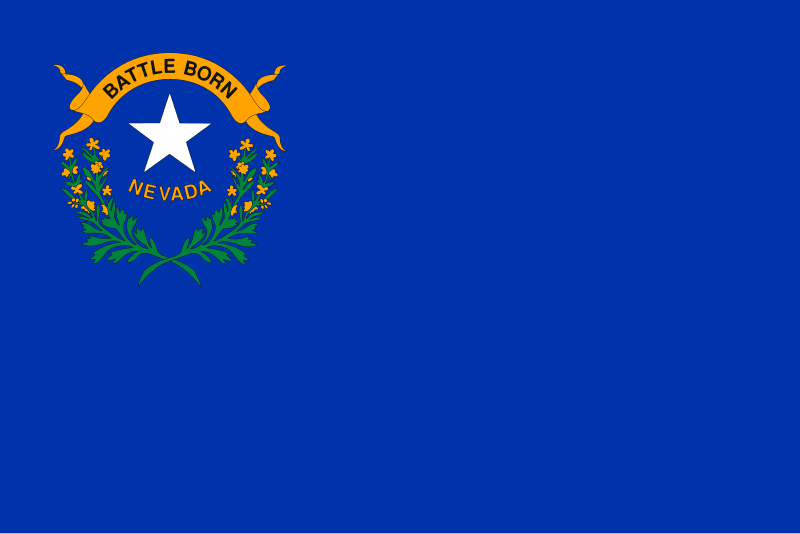
Nevada sweepstakes laws govern how promotional giveaways, contests, and prize drawings operate within the Silver State. Nevada takes a unique position among U.S. states due to its robust gaming industry. The state regulates sweepstakes primarily through its Deceptive Trade Practices Act under NRS Chapter 598 and its lottery statutes under NRS Chapter 462. These laws work together to protect consumers from fraudulent promotions. They also ensure legitimate sweepstakes can operate without crossing into illegal lottery or gambling territory. Nevada’s gaming-focused regulatory environment adds extra layers of scrutiny. Understanding these rules is essential for both sponsors and participants.
Nevada Sweepstakes Registration and Bonding Requirements
Nevada does not require a separate state registration to run a standard promotional sweepstakes. Unlike states such as New York, Florida, or Rhode Island, there is no mandatory filing or bonding requirement. This makes Nevada relatively sponsor-friendly for companies launching sweepstakes promotions. However, general business licensing and consumer protection laws still apply to all promotions.
Nevada sweepstakes laws still require compliance with the state’s Deceptive Trade Practices Act. Sponsors must follow all disclosure rules outlined in NRS 598.136 through NRS 598.138. These statutes govern how companies communicate prizes, winning notifications, and selection claims. Violations carry both civil and criminal penalties under NRS 598.0999.
If a sweepstakes involves travel prizes, the sponsor may need a Sellers of Travel registration in Nevada. Promotions connected to gaming establishments require approval from the Nevada Gaming Control Board. In most cases, a well-structured sweepstakes with clear official rules will satisfy Nevada’s requirements without special filings.
Nevada Sweepstakes Laws: Prize Disclosure and Tax Rules
Nevada sweepstakes laws include strict prize disclosure requirements under NRS 598.136. When a sponsor notifies someone they have won a prize, the sponsor must deliver that prize. Delivery must occur within 30 days of the presentation. The prize cannot be conditioned on purchasing goods or services. NRS 598.092 makes it a deceptive trade practice to require a purchase as a condition of receiving a stated prize.
One major advantage for Nevada residents is the state’s tax situation. Nevada has no state income tax. Sweepstakes winners keep their full prize amount at the state level. However, federal taxes still apply. The IRS requires sponsors to report prizes valued at $600 or more on Form W-2G. Federal withholding of 24% applies to qualifying winnings. Winners must report all prizes as income on their federal tax return.
| Regulation | Nevada Requirement |
|---|---|
| State Registration | Not required for standard sweepstakes |
| Bonding | Not required |
| State Income Tax on Winnings | 0% — Nevada has no state income tax |
| Federal Tax Withholding | 24% on qualifying prizes |
| Federal Reporting Threshold | $600 or more (Form W-2G) |
| Prize Delivery Deadline | Within 30 days of notification (NRS 598.136) |
| No-Purchase-Necessary | Required — NRS 598.092 and NRS 462.105 |
| Governing Statutes | NRS 462, NRS 463, NRS 598 |
| Enforcement Agency | Nevada Attorney General, Bureau of Consumer Protection |
| Unlicensed Sweepstakes Casinos | Felony — up to 10 years, $50,000 fine per offense (SB 256) |
Consumer Protection in Nevada
The Nevada Attorney General’s Bureau of Consumer Protection enforces Nevada sweepstakes laws. The bureau investigates complaints about deceptive promotions and fraudulent prize schemes. It has authority to pursue both civil and criminal cases under the Nevada Deceptive Trade Practices Act. As a result, companies running dishonest sweepstakes face serious legal consequences in the state.
NRS 598.0915 defines deceptive trade practices broadly. This includes false representations about prizes, sponsorship, or product characteristics. NRS 598.0918 adds specific rules for telephone solicitations. For example, sweepstakes phone calls cannot occur between 8 PM and 9 AM. Callers must identify themselves and cannot block caller ID. Threatening or obscene language is prohibited.
To report a suspicious sweepstakes in Nevada, consumers can call the Bureau of Consumer Protection at 775-684-1169. Formal complaints should be filed through the online form at ag.nv.gov. Supporting documents can be emailed to [email protected] with “COMPLAINT” in the subject line. Consumers can also report fraud to the FTC at ReportFraud.ftc.gov. The Attorney General specifically warns against wiring money to unknown parties.
No-Purchase-Necessary Rules in Nevada
Nevada sweepstakes laws require a free method of entry for all legitimate sweepstakes. This is the no-purchase-necessary principle. Under NRS 462.105, a promotion becomes an illegal lottery if it combines prize, chance, and consideration. Removing the consideration element through free entry keeps the sweepstakes legal. Typically, sponsors offer an Alternative Method of Entry such as a mail-in option or online form.
NRS 462.105 clarifies what does not count as “valuable consideration.” A person has not paid consideration merely by receiving fair value in a transaction. Accepting products on a trial basis also does not count. Being present at a specific time and place for an “occasional and ancillary promotion” is not consideration either. However, the organization’s primary purpose must not be running such promotions.
Nevada sweepstakes laws align with FTC guidelines on equal treatment of entrants. AMOE participants must receive identical odds of winning as purchase-path entrants. Sponsors cannot offer better prizes or higher chances to paying customers. Violating this principle can trigger enforcement under both state and federal law. In most cases, a clearly disclosed mail-in or online AMOE satisfies these requirements.
📨 Get Free Sweepstakes Alerts
Free · No spam · Unsubscribe anytime
Running a Sweepstakes in Nevada: Compliance Checklist
Companies targeting Nevada residents must follow several compliance steps. First, draft complete official rules that include eligibility, entry methods, prize descriptions, and odds of winning. Nevada sweepstakes laws require truthful disclosures about all material terms. Include a clear no-purchase-necessary statement and a free AMOE option. Ensure the AMOE provides equal odds of winning.
Second, understand Nevada’s unique position as a gaming state. NRS Chapter 463 defines gambling broadly. Sweepstakes using redeemable virtual currency could be interpreted as gambling under Nevada law. Senate Bill 256, signed into law in 2025, upgraded penalties for unlicensed gambling operators to felonies. Violations carry up to 10 years in prison and fines up to $50,000 per offense. Courts can also order disgorgement of all profits. As a result, sweepstakes sponsors must carefully distinguish their promotions from gambling activities.
Third, comply with all prize notification rules under NRS 598.136 through NRS 598.138. Do not tell someone they have been “specially selected” unless the selection is genuine. Deliver prizes within 30 days without requiring purchases. Follow FTC advertising guidelines for all promotional materials. Keep records of entries, winners, and prize distributions. Nevada sweepstakes laws reward sponsors who prioritize transparency and consumer trust.
Frequently Asked Questions
Are sweepstakes legal in Nevada?
Yes, legitimate sweepstakes are legal in Nevada. They must include a free entry method and cannot require a purchase to win. Nevada sweepstakes laws prohibit promotions that combine prize, chance, and paid consideration.
Do I have to pay taxes on sweepstakes winnings in Nevada?
Nevada has no state income tax. You will not owe state taxes on sweepstakes prizes. However, federal income tax still applies, with 24% withholding on qualifying winnings above $600.
How do I report a sweepstakes scam in Nevada?
Contact the Nevada Attorney General’s Bureau of Consumer Protection at 775-684-1169. You can also file a complaint online at ag.nv.gov or report to the FTC at ReportFraud.ftc.gov.
Enter More Sweepstakes
Ready to start entering? Browse our curated list of current legitimate sweepstakes with verified entry links.
Official Sources & Resources
- FTC (Federal Trade Commission): Prize Scam Awareness
- IRS (Prize Tax Reporting): IRS Topic 419 — Gambling Income
- FBI IC3 (Internet Crime): ic3.gov
- USA.gov — Scams: usa.gov/scams
Content last reviewed April 2026. If you notice any outdated information, please contact us.