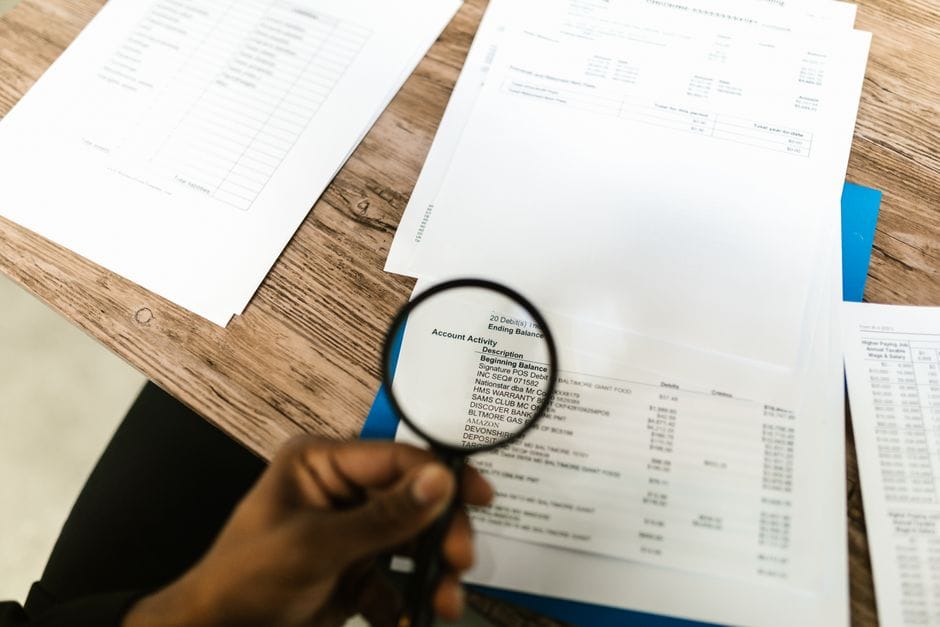
The winner verification process is the set of checks a sponsor runs after a drawing but before any prize is released — confirming you are who you claimed to be, that you were eligible under the official rules, and that the required paperwork and tax forms are complete. Until it finishes, you are a “potential winner,” not a winner.
- What the winner verification process is actually checking
- Step by step: how the winner verification process usually works
- The paperwork, and what triggers it
- Deadlines, alternates, and what happens if you miss one
- What most people get wrong about the winner verification process
- If you receive benefits, or your situation is state-specific
- Frequently Asked Questions
Here is the short version. You get a notification. You return a signed affidavit of eligibility and a liability/publicity release by a stated deadline. For prizes large enough to trigger tax reporting, you also complete IRS Form W-9 with your taxpayer ID. The sponsor checks your age, residency, entry method, and whether you or a household member is excluded. Then the prize ships or the check is cut.
One thing should never be part of a real winner verification process: paying money. According to the FTC, if you have to pay a fee for “taxes,” shipping, processing, or customs to receive a prize, it is a scam — real prizes are free, and it is illegal for anyone to charge you to improve your odds of winning.
What the winner verification process is actually checking
Sponsors are not being difficult. They are protecting a legal promise. Official rules are a binding offer, and awarding a prize to someone who did not qualify exposes the sponsor to complaints, state regulators, and disputes from other entrants.
So the winner verification process generally confirms four things: your identity, your eligibility, your entry’s legitimacy, and your consent. Identity means the person signing matches the name and contact details on the winning entry. Eligibility means age and residency limits, plus exclusions for employees, immediate family, and household members of the sponsor and its agencies.
Entry legitimacy means you did not use bots, scripts, multiple accounts, or fake email addresses. Most rules reserve the right to void entries obtained that way. Consent means you agree to release the sponsor from liability and, in most cases, allow use of your name and likeness in winner announcements.
Step by step: how the winner verification process usually works
- Selection. Winners are drawn at random from all eligible entries, or judged against stated criteria in a skill contest.
- Notification. You are contacted by the method listed in the rules — usually email, phone, or mail — as a “potential winner.”
- Documents sent. You receive an affidavit of eligibility, a liability and publicity release, and, for reportable prizes, a Form W-9.
- Return by deadline. You sign, sometimes before a notary, and return everything within the window the rules specify.
- Sponsor review. The sponsor checks your answers against its entry records and eligibility criteria.
- Award. The prize is delivered, and the sponsor may publish your first name, last initial, and state.
Timeframes vary by promotion, and the rules control. Short return windows are common because sponsors need to close out the promotion and name alternates if you do not respond.
The paperwork, and what triggers it
The forms are not arbitrary. They map to real legal thresholds, and the two that matter most to you are the tax reporting threshold and state registration rules.
For prizes paid in 2026, the Form 1099-MISC reporting threshold is $2,000, raised from the long-standing $600 by the One Big Beautiful Bill Act and indexed for inflation after 2026, according to IRS guidance in the Instructions for Forms 1099-MISC and 1099-NEC. Prizes not paid for services are reported in Box 3.
Separately, the IRS states the backup withholding rate is 24%, which a payer must apply to reportable payments when a correct taxpayer identification number has not been furnished. That is why a sponsor asks for a W-9 rather than simply mailing a check.
| Trigger | Figure | Source named |
|---|---|---|
| Form 1099-MISC reporting for prizes paid in 2026 | $2,000 or more per recipient, per year | IRS 1099-MISC/NEC instructions |
| Backup withholding when TIN is missing or incorrect | 24% of the reportable payment | IRS, Topic no. 307 |
| New York promotion registration and bonding | Total prize value over $5,000 | New York sweepstakes registration requirements |
| Florida promotion filing | Total prize value over $5,000, filed with FDACS before the promotion starts | Florida Department of Agriculture and Consumer Services |
Sponsors commonly require a notarized affidavit for higher-value prizes and a simple signed declaration for small ones. Thresholds for notarization are set by each sponsor’s rules, not by a single federal number — read your rules rather than assuming.
Deadlines, alternates, and what happens if you miss one
Most official rules say the same thing in different words: if a potential winner cannot be reached, does not return documents by the deadline, is found ineligible, or the prize notification is returned undeliverable, the prize may be forfeited and awarded to an alternate.
That is the single most common way people lose a legitimate prize. Notifications land in spam. Phone numbers change. A form sits on the kitchen table past its return date. If you enter sweepstakes regularly, check the address you entered with, and answer promptly.
If you are unsure whether a notice is real, do not use the contact information in the message. Go to the sponsor’s own website, find the official rules for that promotion, and use the contact details published there.
What most people get wrong about the winner verification process
The biggest confusion is the Social Security number. FTC consumer guidance is blunt that you should never give your SSN or bank details to claim a prize — and that advice is aimed at unsolicited contact from strangers claiming you won something you never entered.
A legitimate winner verification process is different in one decisive way: you entered, the sponsor is a real company you can independently verify, and the W-9 arrives as part of documented paperwork tied to published official rules. Even then, the safe move is to verify the sponsor independently before sending anything.
📨 Get Free Sweepstakes Alerts
Free · No spam · Unsubscribe anytime
Three more common mistakes. People assume no 1099 means no taxable income — the IRS treats prize fair market value as income regardless of whether a form is issued. People assume a phone call is proof; sponsors of major prizes typically document in writing. And people assume verification is negotiable, when the rules usually make it a condition of the award.
If you receive benefits, or your situation is state-specific
Reporting requirements generally apply to prizes and winnings for needs-based programs, and outcomes depend on the specific program and your circumstances. SSA guidance treats gambling and lottery winnings and other prizes as unearned income for Supplemental Security Income, and SSA instructs recipients to report changes that may affect SSI no later than 10 days after the end of the month in which the change occurred.
SSA also notes a penalty of $25 to $100 may reduce an SSI payment for each failure to report or late report. Whether a prize affects your payment is a determination only SSA can make for your case, so contact SSA directly.
SNAP, Medicaid, and Section 8 rules vary by state and by administering agency — income and asset treatment is not uniform nationwide. Do not rely on a figure you read online for your state. Check with your state SNAP agency, your state Medicaid office, or your local public housing authority, and ask them how a one-time prize is treated in your case.
The same “it varies” caution applies to the winner verification process itself. Some states restrict how sponsors may combine an affidavit with a publicity release, and registration duties differ. The official rules for your specific promotion, plus the sponsor, are the authority.
Frequently Asked Questions
How long does the winner verification process take?
It depends on the promotion. The winner verification process is governed by the official rules, which set the return deadline and the award timeline. Small prizes can move in days; large prizes with notarized affidavits and tax paperwork often take weeks.
Should I ever pay a fee during the winner verification process?
No. The FTC says real prizes are free, and any demand for payment of taxes, shipping, or processing fees to release a prize is a scam sign. Legitimate sponsors deduct nothing and charge nothing up front.
Why does the sponsor want my Social Security number?
For prizes that meet the IRS reporting threshold, the sponsor needs a certified taxpayer ID on Form W-9 to file Form 1099-MISC. Without a correct TIN, the IRS requires 24% backup withholding on reportable payments.
What if I miss the deadline to return my documents?
Most official rules allow the sponsor to forfeit the prize and select an alternate winner. Contact the sponsor immediately through the contact information in the published official rules — some allow limited flexibility, but they are not required to.
Want to put this knowledge to work?
Know the Rules Where You Live
Sweepstakes and prize rules change from state to state — what a sponsor can offer, how prizes are handled, and what protections you have. Pick your state to see the exact rules that apply where you live.
See Sweepstakes Laws in All 50 States →
Sources & How to Verify
The facts on this page are drawn from official government and primary sources. Rules and figures change, so always confirm the current details with the official agency or the promotion’s own published rules.
- FTC Consumer Advice: consumer.ftc.gov — prize, sweepstakes, and lottery scam guidance
- IRS: irs.gov — how prizes and winnings are treated as income
- Social Security Administration: ssa.gov — what SSI recipients must report
- The promotion’s official rules: every legitimate sweepstakes publishes them — the rules page is always the final word
Content last reviewed August 2026. If you notice outdated information, please contact us.
You May Also Like
Related Guides
- Sweepstakes Laws by State (50-State Guide)
- More in This Category
- Sweepstakes Resources
- Scam Checks
- Sweepstakes Tax Calculator
- All Active Sweepstakes
Informational only — not legal, tax, or financial advice. Win Big Daily is an independent educational resource. Prize rules, tax treatment, and benefit-program requirements vary by state and program and change over time, so always verify the current details with the official agency, the promotion’s published rules, or a qualified professional before acting. If a topic involves government benefits, contact the program office about your specific situation.