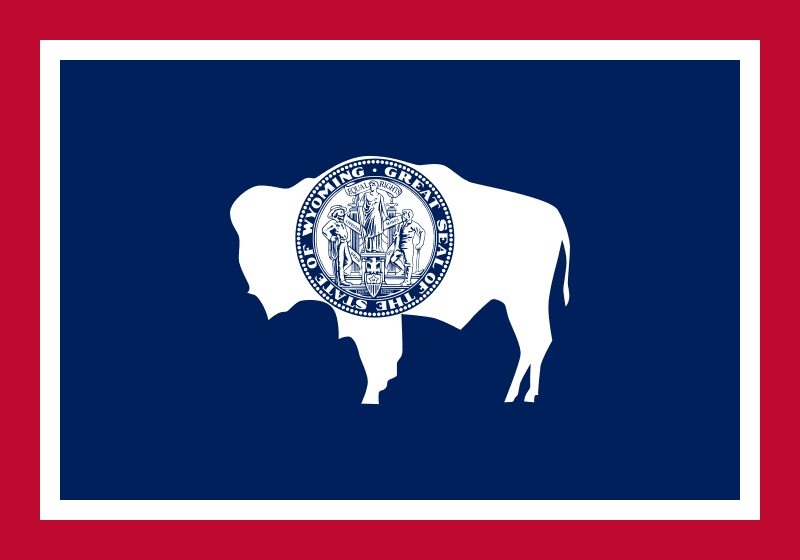
Wyoming sweepstakes laws are among the most participant-friendly in the United States. The Cowboy State does not impose state income tax on winnings. It also has no sweepstakes registration or bonding requirements. However, Wyoming still enforces strong consumer protection rules. The state’s legal framework relies on general gambling statutes under Wyo. Stat. § 6-7-101 and its Consumer Protection Act under Table of Contents
com/codes/wyoming/title-40/chapter-12/”>Wyo. Stat. § 40-12-101. Wyoming also has a specific Promotional Advertising of Prizes statute. These laws work together with federal regulations from the Federal Trade Commission (FTC) to protect Wyoming residents. In most cases, legitimate sweepstakes operate freely in Wyoming. Sponsors must simply follow the standard three-element test. A promotion becomes an illegal lottery only when it combines prize, chance, and consideration.
Wyoming Sweepstakes Registration and Bonding Requirements
Wyoming does not require sweepstakes sponsors to register with the state. There is no bonding requirement either. This stands in contrast to states like New York and Florida. Both of those states require registration when prize values exceed $5,000. As a result, Wyoming is one of the easiest states for sponsors to operate in. No filing fees or pre-approval processes exist at the state level.
However, this lack of registration does not mean anything goes. Wyoming sweepstakes laws still require compliance with general consumer protection statutes. The Wyoming Attorney General’s office actively monitors promotional activities. Sponsors must ensure their promotions do not constitute illegal lotteries. They must also avoid deceptive trade practices as defined under Wyo. Stat. § 40-12-105.
For example, the Wyoming AG has pursued enforcement actions against deceptive direct mail schemes. In one case, Wyoming and Colorado jointly shut down companies sending fake magazine subscription invoices. The settlement exceeded $1 million. This shows that Wyoming enforces its laws even without a registration system.
Wyoming Sweepstakes Laws: Prize Disclosure and Tax Rules
Wyoming’s Promotional Advertising of Prizes statute provides specific disclosure rules. Under Wyo. Stat. § 40-12-202, a solicitor cannot request payment before delivering a written prize notice. This written notice must describe the prize, its value, and the terms of the promotion. If a prize voucher is not honored within 30 days, the solicitor must deliver the prize’s retail value in cash. The sponsor is liable if the solicitor fails to pay.
Wyoming has no state income tax. This is a major advantage for sweepstakes winners. Only six other states share this benefit. However, federal tax obligations still apply to all winnings. The IRS requires sponsors to issue a 1099-MISC for prizes valued at $600 or more. Federal withholding of 24% applies to sweepstakes winnings of $5,000 or more. Winners must report all prize income on their federal tax return regardless of amount.
| Regulation | Wyoming Requirement |
|---|---|
| State Registration | Not required |
| Bonding | Not required |
| State Income Tax on Winnings | None (no state income tax) |
| Federal Reporting Threshold | 1099-MISC for prizes $600+ |
| Federal Withholding | 24% on winnings $5,000+ |
| Written Prize Notice | Required before accepting payment (Wyo. Stat. § 40-12-202) |
| Prize Delivery Deadline | 30 days or cash equivalent owed (Wyo. Stat. § 40-12-205) |
| Consumer Protection Statute | Wyo. Stat. § 40-12-101 et seq. |
| Gambling Statute | Wyo. Stat. § 6-7-101 et seq. |
| Enforcement Agency | Wyoming Attorney General, Consumer Protection Division |
Consumer Protection in Wyoming
The Wyoming Attorney General’s Consumer Protection Division handles sweepstakes complaints. Wyoming residents can file complaints by phone at (307) 777-8962. They can also submit written complaints online at the Attorney General’s website. The AG’s office may forward complaints to businesses and request written responses. However, the AG represents the state, not individual consumers.
Wyoming sweepstakes laws are enforced through the Consumer Protection Act. Under Wyo. Stat. § 40-12-105, knowingly engaging in deceptive trade practices is unlawful. This includes misrepresenting a promotion’s sponsorship or terms. It also covers bait-and-switch advertising tied to prize offers. Damages in consumer protection cases are not capped. Typically, attorney’s fees are recoverable in class actions and cases involving vulnerable populations.
Residents should also report suspicious sweepstakes to the FTC and the U.S. Postal Service for mail fraud. In 2019, Wyoming residents lost approximately $2.3 million to consumer fraud. Sweepstakes scams were among the most common complaint categories. Multi-state cooperation helps Wyoming pursue larger fraud operations.
No-Purchase-Necessary Rules in Wyoming
Wyoming sweepstakes laws follow the standard three-element test used nationwide. A promotion is an illegal lottery if it combines prize, chance, and consideration. Legitimate sweepstakes eliminate consideration by offering free entry. This is the no-purchase-necessary requirement. Every sweepstakes must provide an Alternative Method of Entry, commonly called an AMOE.
The AMOE must give participants an equal chance of winning. It cannot be harder to use than the purchase-based entry method. For example, a valid AMOE might be mailing a postcard or submitting an online form. The entry experience should not imply that buying something improves winning odds. The FTC has increasingly scrutinized digital design patterns that discourage free entries.
📨 Get Free Sweepstakes Alerts
Free · No spam · Unsubscribe anytime
In most cases, Wyoming sweepstakes laws align with federal standards on this point. Under Wyo. Stat. § 40-12-202, sponsors cannot request payment before delivering a prize notice. This reinforces the principle that legitimate promotions should not require spending money. Violating these rules can trigger both state and federal enforcement actions. Penalties under Wyoming’s gambling statute include fines up to $750 for misdemeanor violations. Professional gambling carries felony charges with fines up to $3,000.
Running a Sweepstakes in Wyoming: Compliance Checklist
Sponsors targeting Wyoming residents should follow several key compliance steps. First, ensure the promotion includes a free AMOE. This prevents classification as an illegal lottery. Second, draft clear official rules disclosing all terms. Include odds of winning, prize values, and eligibility requirements. Wyoming sweepstakes laws require transparency in all promotional materials.
Third, comply with federal disclosure requirements from the FTC. The rules must state that no purchase is necessary. They must also confirm that a purchase will not improve odds. Typically, these disclosures should appear in the rules, on entry forms, and in advertising. Fourth, prepare for federal tax reporting obligations. Issue 1099-MISC forms for prizes valued at $600 or more.
Fifth, avoid deceptive practices that violate Wyoming’s Consumer Protection Act. Do not misrepresent prize values or winning chances. As a result of Wyoming’s consumer-friendly enforcement approach, sponsors who operate transparently face minimal regulatory burden. Wyoming sweepstakes laws do not require registration or bonding. However, sponsors must still maintain records and respond to any AG inquiries. Following these steps ensures compliance with both Wyoming sweepstakes laws and federal regulations.
Frequently Asked Questions
Are sweepstakes legal in Wyoming?
Yes, sweepstakes are legal in Wyoming. They must offer a free entry method and cannot require a purchase. Wyoming sweepstakes laws treat promotions that combine prize, chance, and consideration as illegal lotteries.
Do I have to pay taxes on sweepstakes winnings in Wyoming?
Wyoming has no state income tax. You will not owe state taxes on sweepstakes winnings. However, federal income tax still applies to all prizes. Expect a 1099-MISC for prizes worth $600 or more.
How do I report a sweepstakes scam in Wyoming?
Contact the Wyoming Attorney General’s Consumer Protection Division at (307) 777-8962. You can also file a complaint online at the AG’s website. Additionally, report the scam to the FTC and U.S. Postal Service.
Enter More Sweepstakes
Ready to start entering? Browse our curated list of current legitimate sweepstakes with verified entry links.
Official Sources & Resources
- FTC (Federal Trade Commission): Prize Scam Awareness
- IRS (Prize Tax Reporting): IRS Topic 419 — Gambling Income
- FBI IC3 (Internet Crime): ic3.gov
- USA.gov — Scams: usa.gov/scams
Content last reviewed April 2026. If you notice any outdated information, please contact us.
You May Also Like
Related Guides
- Browse All Sweepstakes
- Sweepstakes Laws by State
- All Sweepstakes Resources
- State Law Guides
- Sweepstakes Resources