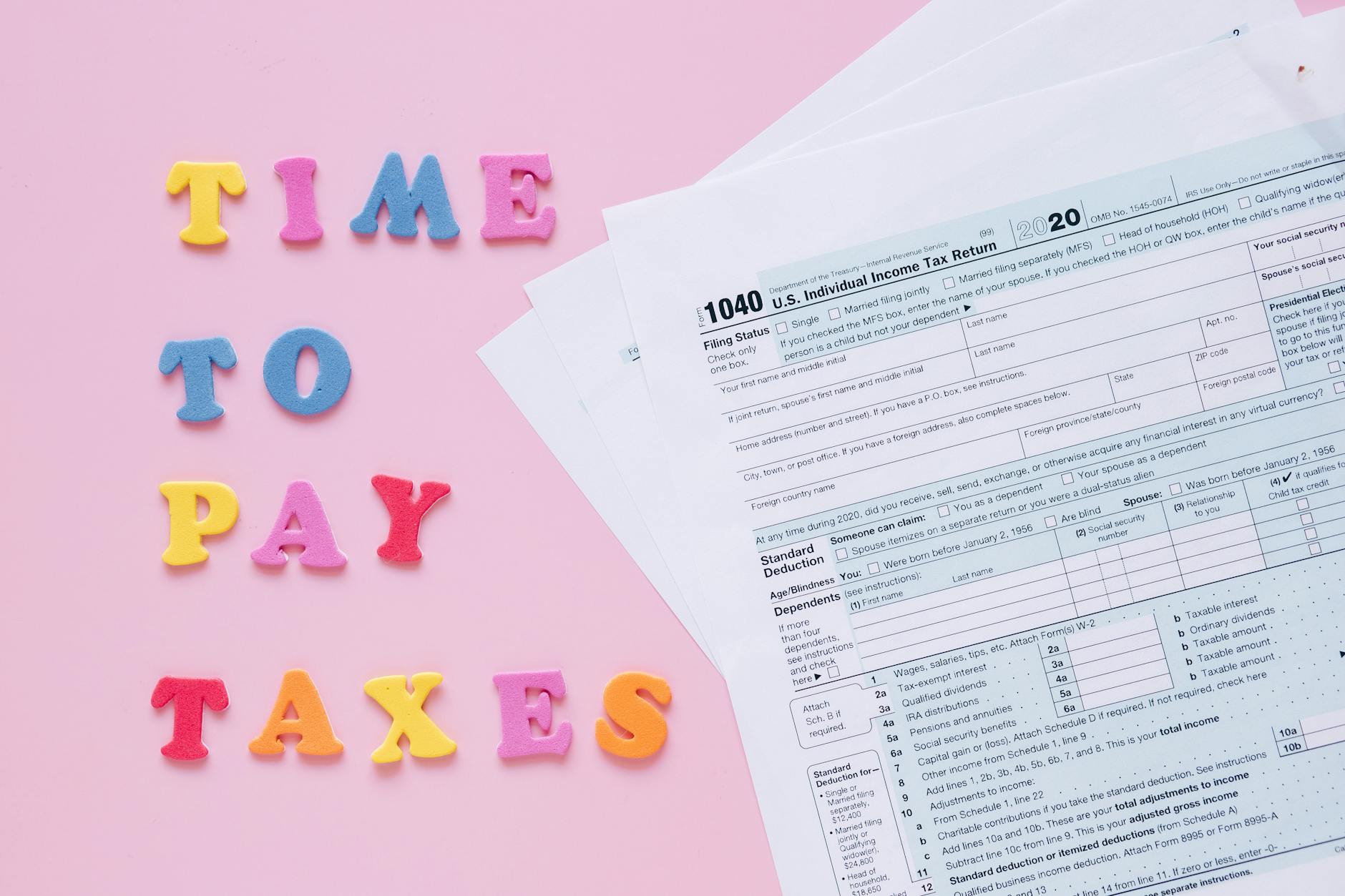
State income tax on prizes is something every sweepstakes winner needs to understand. Winning a big prize feels incredible. But tax season can bring a rude awakening. The federal government taxes all prize winnings as ordinary income. Most states add their own tax on top of that. Combined rates can exceed 50% in high-tax states. The IRS requires Form W-2G for sweepstakes prizes exceeding $600. Mandatory federal withholding of 24% kicks in at $5,000. Your state may withhold additional taxes automatically. Understanding state income tax on prizes before you win helps you plan ahead and avoid surprises.
How Federal and State Income Tax on Prizes Works Together
The IRS treats sweepstakes winnings as ordinary income. You report prizes on your federal return regardless of amount. Sponsors must issue Form 1099-MISC for prizes worth $600 or more. For cash sweepstakes exceeding $5,000, sponsors withhold 24% for federal taxes. Your actual federal rate could reach 37% depending on total income. That means you might owe additional taxes when you file.
State income tax on prizes works on top of the federal obligation. Most states treat prize winnings as regular taxable income. Your state tax rate depends on where you live, not where you won. Some states have flat rates. Others use progressive brackets like the federal system. The state income tax on prizes can range from zero to over 13%, creating vastly different outcomes for winners across state lines.
The FTC enforces consumer protection rules around sweepstakes promotions. Legitimate sweepstakes never require payment to claim a prize. However, taxes are always the winner’s responsibility. No promotion can waive your tax obligations.
State Income Tax on Prizes: A 50-State Breakdown
Nine states charge no income tax at all. Winners in these states only pay federal taxes. The remaining 41 states and Washington D.C. impose some level of state income tax on prizes. Rates vary dramatically from state to state. Here is a summary of key state tax categories.
| Category | States | Top State Rate on Prizes |
|---|---|---|
| No State Income Tax | Alaska, Florida, Nevada, New Hampshire, South Dakota, Tennessee, Texas, Washington, Wyoming | 0% |
| Low Tax (under 5%) | Arizona, Colorado, Idaho, Indiana, Michigan, North Carolina, North Dakota, Pennsylvania, Utah | 2.5%–4.99% |
| Moderate Tax (5%–7%) | Georgia, Illinois, Kentucky, Louisiana, Maryland, Massachusetts, Mississippi, Missouri, Montana, Ohio, Oklahoma, South Carolina, Virginia, West Virginia, Wisconsin | 5.0%–7.0% |
| High Tax (over 7%) | California, Connecticut, Hawaii, Iowa, Kansas, Maine, Minnesota, Nebraska, New Jersey, New York, Oregon, Vermont, Washington D.C. | 7.0%–13.3% |
California has the highest top marginal rate at 13.3%. New York state charges up to 10.9%. New York City adds another 3.876% on top of that. A New York City resident winning a $100,000 prize could face a combined rate exceeding 50%. State income tax on prizes makes location a major factor in your net winnings.
Some states deserve special mention. California exempts state lottery winnings but still taxes sweepstakes prizes. Pennsylvania taxes all gambling winnings at a flat 3.07%. Illinois uses a flat 4.95% rate for all income including prizes. These differences in state income tax on prizes mean the same win has very different outcomes depending on your address.
How to Plan for State Income Tax on Prizes
Smart winners prepare for taxes before they spend a dime. Set aside at least 30% to 50% of any cash prize immediately. This covers both federal and state income tax on prizes for most winners. If you win a non-cash prize like a car or vacation, you still owe taxes on the fair market value. Many winners decline large non-cash prizes they cannot afford to keep.
Consider making estimated tax payments the quarter you win. The IRS and most states require quarterly estimated payments on large income. Missing these deadlines triggers penalties and interest. IRS Form 1040-ES covers federal estimates. Your state likely has a similar form. State income tax on prizes often requires a separate estimated payment to your state tax authority.
📨 Get Free Sweepstakes Alerts
Free · No spam · Unsubscribe anytime
Consult a tax professional for prizes over $5,000. They can help you understand your specific state income tax on prizes and plan accordingly. Keep all prize documentation including Form W-2G and Form 1099-MISC. Track the fair market value of non-cash prizes. Charitable donations of prizes may provide deductions but have complex rules. Professional guidance ensures you handle state income tax on prizes correctly and keep as much of your winnings as possible.
Frequently Asked Questions
Do I have to pay state income tax on prizes if I live in a no-tax state?
No. If you live in one of the nine states with no income tax, you only owe federal taxes on your sweepstakes winnings. These states are Alaska, Florida, Nevada, New Hampshire, South Dakota, Tennessee, Texas, Washington, and Wyoming. You still must report all winnings on your federal return. State income tax on prizes only applies where your state imposes an income tax.
What happens if I win a prize in a different state than where I live?
Generally, you pay state income tax on prizes to your home state. Some states also tax non-residents on prizes won within their borders. This can create double taxation situations. Most states offer credits for taxes paid to other states. Check both states’ rules or consult a tax advisor to avoid paying twice.
At what amount does state income tax on prizes start applying?
Technically, all prize income is taxable regardless of amount. Federal reporting via Form 1099-MISC begins at $600. Mandatory federal withholding starts at $5,000. State thresholds vary but most states tax all income from the first dollar. Even small prizes should be reported on your annual return. The sponsor may not report prizes under $600, but you are still legally required to include them.
Enter More Sweepstakes
Ready to start entering? Browse our curated list of current legitimate sweepstakes with verified entry links.
Official Sources & Resources
- FTC (Federal Trade Commission): Prize Scam Awareness
- IRS (Prize Tax Reporting): IRS Topic 419 — Gambling Income
- FBI IC3 (Internet Crime): ic3.gov
- USA.gov — Scams: usa.gov/scams
Content last reviewed April 2026. If you notice any outdated information, please contact us.