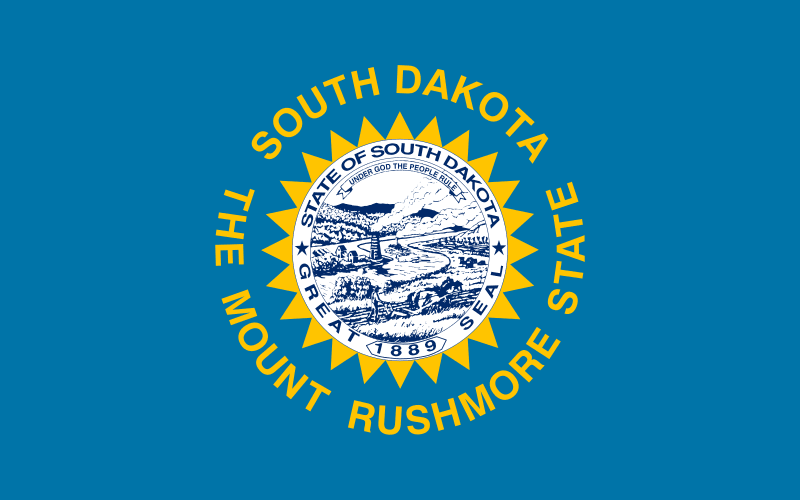
South Dakota sweepstakes laws govern how promotional giveaways, contests, and prize-based promotions operate in the state. The Mount Rushmore State takes a practical approach to sweepstakes regulation. It relies on a combination of dedicated sweepstakes statutes and broader consumer protection laws. The primary framework comes from SDCL Chapter 37-32, which specifically addresses sweepstake prizes and solicitor conduct.
South Dakota also applies its Deceptive Trade Practices and Consumer Protection Act under SDCL Chapter 37-24 to fraudulent promotions. Unlike states such as New York or Florida, South Dakota does not require advance registration or bonding for sweepstakes. However, sponsors must still follow strict disclosure and fairness rules. Understanding South Dakota sweepstakes laws is essential for both participants and promoters operating in the state.
South Dakota Sweepstakes Registration and Bonding Requirements
South Dakota sweepstakes laws do not require promoters to register sweepstakes with any state agency. There is no bonding requirement either. This sets South Dakota apart from states like New York, Florida, and Rhode Island. Those states mandate registration and surety bonds for promotions with prizes above certain thresholds. In South Dakota, sponsors can launch a sweepstakes without filing paperwork beforehand. However, this does not mean the state lacks oversight.
The South Dakota Attorney General’s Consumer Protection Division actively monitors promotional activities. It enforces compliance under SDCL 37-32 and SDCL 37-24. The Attorney General can seek injunctions under SDCL 37-32-11 against violators. Civil penalties of up to $2,000 per intentional violation may also apply under SDCL 37-32-13. As a result, the absence of registration requirements does not reduce accountability. Sponsors must still comply with all disclosure and conduct rules.
For example, under SDCL 37-32-2, no solicitor may request or accept payment before providing a written prize notice. This rule protects consumers from advance-fee sweepstakes scams. In most cases, legitimate sweepstakes sponsors will have no trouble meeting South Dakota’s requirements. The state’s approach trusts businesses to self-comply while giving enforcement tools to the Attorney General.
South Dakota Sweepstakes Laws: Prize Disclosure and Tax Rules
South Dakota sweepstakes laws impose detailed prize disclosure requirements under SDCL 37-32-3. Every written prize notice must include the solicitor’s and sponsor’s true name, address, and phone number. It must also list the verifiable retail value of each prize. If multiple prizes are offered, the odds of winning each prize must be stated. Additional required disclosures include any shipping charges, eligibility restrictions, and sales presentation requirements.
SDCL 37-32-4 specifies how odds must be displayed. They must appear in the same type size and boldness as the prize listing. The format must read: “X number of prizes out of Y written prize notices.” Verifiable retail value must appear as: “verifiable retail value: $___.” Under SDCL 37-32-5, if any payment is required, sponsors must include a 12-point boldface statement reading: “YOU MUST PAY $___ IN ORDER TO RECEIVE OR USE THIS ITEM.” These formatting rules under South Dakota sweepstakes laws are strictly enforced.
Regarding taxes, South Dakota has no state income tax. This is a significant advantage for sweepstakes winners. Winners keep more of their prizes compared to residents of high-tax states. However, federal taxes still apply to all sweepstakes winnings. The IRS treats prizes as ordinary income. Federal withholding of 24% is required when winnings exceed $5,000. The following table summarizes key regulations.
| Regulation | Details |
|---|---|
| Registration Required | No — South Dakota does not require sweepstakes registration |
| Bonding Required | No bonding requirement for sweepstakes sponsors |
| Primary Sweepstakes Statute | SDCL Chapter 37-32 (Sweepstake Prizes) |
| Consumer Protection Statute | SDCL Chapter 37-24 (Deceptive Trade Practices Act) |
| State Income Tax on Winnings | 0% — South Dakota has no state income tax |
| Federal Tax Withholding | 24% on winnings exceeding $5,000 |
| Prize Notice Requirements | 8 mandatory disclosures under SDCL 37-32-3 |
| Odds Disclosure | Required in same size/boldness as prize listing (SDCL 37-32-4) |
| Civil Penalty per Violation | Up to $2,000 per intentional violation (SDCL 37-32-13) |
| Private Lawsuit Damages | 2x actual damages or $500, whichever is greater (SDCL 37-32-14) |
| Criminal Penalty | Class 1 misdemeanor — up to 1 year jail and/or $2,000 fine |
| Enforcement Agency | SD Attorney General, Consumer Protection Division |
Consumer Protection in South Dakota
The South Dakota Attorney General’s Consumer Protection Division serves as the primary enforcement body for South Dakota sweepstakes laws. The division investigates complaints about deceptive promotions, false prize notices, and telemarketing fraud. Attorney General Marty Jackley’s office has authority under both SDCL 37-32 and SDCL 37-24 to pursue violators. The AG can seek temporary or permanent injunctions and recover attorney’s fees.
Under the Deceptive Trade Practices Act, penalties scale with the amount of harm. Violations involving less than $1,000 are a Class 1 misdemeanor. However, violations between $1,000 and $100,000 rise to a Class 6 felony. Violations exceeding $100,000 become a Class 5 felony under SDCL 37-24-6. Typically, large-scale sweepstakes fraud operations face felony charges. South Dakota sweepstakes laws also grant individuals a private right of action under SDCL 37-32-14. Victims can recover twice their actual damages or $500, whichever is greater, plus attorney fees.
To report a suspicious sweepstakes in South Dakota, consumers can contact the Consumer Protection Division at 1-800-300-1986. They can also file complaints online at consumer.sd.gov. Once submitted, an investigator reviews the complaint within a reasonable timeframe. The business receives 20 days to respond or resolve the issue. The Federal Trade Commission also accepts reports about sweepstakes fraud nationwide.
No-Purchase-Necessary Rules in South Dakota
South Dakota sweepstakes laws follow the standard three-element lottery test established in SDCL 22-25-24. A promotion becomes an illegal lottery when it combines prize, chance, and consideration. Legitimate sweepstakes must eliminate the consideration element. This means participants cannot be required to make a purchase to enter. Any sweepstakes that requires payment to participate risks classification as an unauthorized lottery under SDCL 22-25-26.
In most cases, sponsors provide an alternate method of entry (AMOE) to satisfy this requirement. Common AMOE options include mail-in entries or online entry forms. The AMOE must provide equal odds of winning as the purchase-based entry method. South Dakota sweepstakes laws do not specify a particular AMOE format. However, the method must be genuinely accessible and not designed to discourage use. For example, requiring a handwritten essay while purchase entries need only a receipt would likely fail scrutiny.
📨 Get Free Sweepstakes Alerts
Free · No spam · Unsubscribe anytime
The FTC’s Telemarketing Sales Rule also reinforces this principle. Under 16 CFR Part 310, telemarketers must disclose that no purchase is necessary to win. They must also disclose the odds of winning. South Dakota sweepstakes laws work alongside these federal rules. Violations of the no-purchase requirement can trigger both state and federal enforcement actions. As a result, sponsors should ensure their AMOE is prominent and easily accessible.
Running a Sweepstakes in South Dakota: Compliance Checklist
Sponsors targeting South Dakota residents must follow several key steps under South Dakota sweepstakes laws. First, ensure the promotion eliminates consideration. Provide a clear, accessible AMOE. Second, draft official rules that include all eight disclosures required by SDCL 37-32-3. This includes true sponsor identity, prize values, odds, eligibility restrictions, and any charges. Third, format all prize notices according to SDCL 37-32-4 through 37-32-6. Use 12-point boldface type for payment disclosures and restrictions.
Sponsors must also avoid prohibited conduct listed in SDCL 37-32-8. Do not place winning representations on envelopes. Do not design notices to resemble government correspondence. Do not falsely claim that the number of eligible participants is limited. If a sales presentation is required to claim a prize, SDCL 37-32-9 requires delivering the prize before the presentation begins. Typically, compliance-conscious sponsors avoid tying prizes to sales presentations entirely.
Finally, follow all applicable federal guidelines. The FTC Act prohibits unfair or deceptive practices. The Telemarketing Sales Rule governs phone-based promotions. USPS regulations apply to mail-based sweepstakes. South Dakota sweepstakes laws do not require pre-registration or bonding. However, maintaining thorough records of all prize notices, winner selections, and AMOE entries is strongly recommended. These records serve as evidence of compliance if questions arise from the Attorney General’s office.
Frequently Asked Questions
Are sweepstakes legal in South Dakota?
Yes, sweepstakes are legal in South Dakota as long as they eliminate the element of consideration. This means no purchase can be required to enter. Sponsors must also comply with disclosure requirements under SDCL Chapter 37-32 and follow South Dakota sweepstakes laws regarding prize notices and odds.
Do I have to pay taxes on sweepstakes winnings in South Dakota?
South Dakota has no state income tax, so you will not owe state taxes on winnings. However, all sweepstakes prizes are subject to federal income tax. The IRS requires 24% withholding on winnings that exceed $5,000.
How do I report a sweepstakes scam in South Dakota?
Contact the South Dakota Attorney General’s Consumer Protection Division at 1-800-300-1986. You can also file a complaint online at consumer.sd.gov. For federal reporting, submit a complaint to the FTC or call 1-877-FTC-HELP.
Enter More Sweepstakes
Ready to start entering? Browse our curated list of current legitimate sweepstakes with verified entry links.
Official Sources & Resources
- FTC (Federal Trade Commission): Prize Scam Awareness
- IRS (Prize Tax Reporting): IRS Topic 419 — Gambling Income
- FBI IC3 (Internet Crime): ic3.gov
- USA.gov — Scams: usa.gov/scams
Content last reviewed April 2026. If you notice any outdated information, please contact us.